Wasps are beneficial to our ecology in many ways, but they may be a severe hazard if they build nests in locations where people congregate. Wasps can be very dangerous to humans due to their painful stings, which in some cases can cause allergic reactions. They have been reported to become hostile and sting frequently when they perceive a threat.
Despite these issues, wasps do have a big impact on the ecology. Predatory species control pest populations by consuming insects that damage crops and gardens. Certain insects collect nectar from flowers and facilitate pollination.
Identifying Wasp Infestations
By identifying the symptoms of a wasp infestation early on, more serious problems can be avoided later on. The easiest way to tell whether there is a nest nearby is to see how many wasps are flying over your property or if they are entering or exiting a specific area on a regular basis.
Wasps often establish their nests in hollow trees, wall cavities, garages or attics, under building eaves and, for certain species (like yellow jackets), underground. Their grey-white nests are often made from chewed wood pulp and saliva.
Wasps are a broad group of insects with varying behaviours. Typical instances are paper wasps, which build umbrella-shaped nests that hang from eaves or tree branches, and hornets, which prefer high places like attics or tall trees and build large, spherical nests there.
Methods of Wasp Prevention
Homeowners must take preventive measures against wasp infestations if they wish to shield their properties from these pests and avoid having to cope with the inconveniences these creatures frequently create.
Cracks and gaps in the outside wall or roof must be sealed as part of routine home maintenance to keep wasps and other opportunistic insects from finding a suitable location to build their nests.
Appropriate handling of food waste keeps scavenger bugs like yellow jackets away. These pests are drawn to protein and sugary foods in the late summer and early autumn. To reduce their appeal, dumpsters should always be kept securely covered.
Natural wasp repellents, such as peppermint or lemongrass essential oils, can be used in close proximity to potential nesting sites to deter these insects.
Methods for Effective and Safe Wasp Removal
If you discover a small infestation, you can take care of it yourself with wasp sprays or traps, among other do-it-yourself options that are readily available. But the most important thing is always safety. Do not attempt to dismantle the wasp nest if you are allergic to wasp stings or if it is huge and teeming with wasps.
Professional pest control services offer safer solutions when dealing with larger infestations by using protective gear that ensures the least amount of risk during the eradication operation in addition to equipment built specifically for the job.
Following Removal Techniques
Making sure that any nest remnants are gone once a wasp nest has been properly removed from your property is crucial because they could attract other pests.
Take precautions against future infestations by regularly inspecting your home and outside spaces for signs of the emergence of new nests. It will be less likely that an area will provide suitable habitats for insects if it is kept neat and free of debris.
Never neglect to seek professional help when a situation gets too difficult for you to manage effectively on your own, particularly when interacting with aggressive species like hornets and yellow jackets, which pose a major risk to your health because of their excruciating stings.
The Experts’ Role in Pest Management
When dealing with serious pest problems, professionals in pest management are crucial. They are better equipped to tackle issues that the typical homeowner might find challenging to address alone because they are knowledgeable experts with a thorough understanding of numerous pest species, including their behaviours and habits.
There are several benefits to hiring a professional service, including the assurance that the job will be completed correctly the first time and won’t harm neighbouring individuals, animals, or plants. It also lessens concern about possible risks associated with using pesticides. To find a trustworthy provider, check the business’s insurance, licence, and good reputation in the community by going through the testimonials of happy customers.
To Sum Up
Treatment for wasp infestations is crucial to maintaining a safe and cosy home. It’s also critical to acknowledge that beneficial organisms coexist and are vital to preserving the equilibrium of ecosystems; as a result, reducing conflicts between humans and the natural world requires careful management.
It is crucial to identify early warning indicators of an infestation, take preventative action, make sure that removal procedures are safe, and carry out post-removal operations in order to live in harmony with wasps.
Where do carpet beetles come from? This is a subject that sometimes arises too late, as these minuscule intruders stealthily nibble away at the structure of our homes, causing damage to precious things like carpets and upholstery. Effective control and prevention of this issue needs first understanding its origins.
Join us on a tour to learn about the origins of carpet beetles and their solitary behaviours and habitats.
Learn the skills required to keep these sneaky invaders out of your interior spaces and ensure a stunning, beetle-free house.
Carpet beetles are tiny insects that can damage carpets, rugs, and other household items. Their patterned wings and oval bodies, which enable them to live in buildings, are highly distinguishable characteristics.
An overview and description of carpet beetles
The carpet beetle’s life cycle consists of four stages:
Eggs
Larvae
Pupae
Adults.
Carpet beetle eggs are tiny and difficult to spot; they are typically laid in obscurity such as crevices, gaps, air vents, and bird nests. The larvae, which consume a range of organic substances prevalent in homes, are the most harmful stage. These compounds include:
Carpets
Clothing
Upholstery
And even food.
Infested items may show signs of degeneration, such as uneven patches or holes.
It is important to investigate both well-known hiding places and less obvious sites, such as air vents, potential bed bug harbourage areas, and potential bird nest locations. Finding and managing potential sources of infestation can be aided by this thorough investigation.
The larvae gradually develop into pupae, which then turn into adult carpet beetles when they’ve had enough.
Carpet beetles come in a wide variety of species, although the most common are the dark brown, black, and furniture kinds.
Carpet beetles lay their eggs on various materials, including fur and silk feathers. The beetle larvae that hatch from the eggs harm the affected material.
Historical Origins of Carpet Beetles
Typical home pests, such as carpet beetles, can do significant damage to your belongings. Knowing the historical roots of insect infestations can help prevent and control them.
Carpet beetles are found all throughout the world and date back to ancient times.
It is known that they can infect clothing, furniture, carpets, and other organic materials. They have changed to fit a range of circumstances.
Global Dispersion and Preferences for Habitat
To completely comprehend carpet beetles’ global range, favoured habitats, and potential risks to property, it is imperative to consider their common places.
Adult beetles and larvae in particular are drawn to natural, fibrous objects such as animal beds and blankets since they are their preferred feeding source.
Larvae of carpet beetles consume fabric as their food source and can clearly damage delicate items including apparel, furniture, carpets, pet beds, and food stored in storage. Because of their destructive nature, carpet beetles are a major concern for researchers and pest management specialists.
Understanding their global range and preferred habitats is essential to managing and preventing infestations. Participation from the community can help lessen the consequences of carpet beetles, for example by developing neighbourhood projects and spreading preventative knowledge.
The Way Carpet Beetles Enter Homes
Carpet beetles can enter your home through common entry points such as windows, doors, and cracks in the foundation. They’re known to hitch a ride on clothing, furniture, and infested items brought into the house.
Common Sites of Entry for Carpet Beetles
Carpet beetles frequently use a variety of entrance sites to get into houses. The fibres in your home’s materials, particularly those made of animal ancestry, like carpet beetles, are a magnet for these pests.
Larvae and eggs of carpet beetles can be carried readily on furniture, especially if they hide in the folds of the fabric.
Rugs and carpets, with their cosy textures and patterns, provide the ideal environment for these insects to thrive since they may deposit their eggs in the threads.
Carpet beetles can develop an infestation in stuffed goods, such as clothing, pet food, and regular food items, which makes it easier for them to enter your home.
Regular inspections and proper storage techniques are crucial for controlling and preventing carpet beetle infestations, especially when it comes to pet food.
Since they may squeeze through window cracks and door gaps, closing off these entry points is crucial to avoiding infestations.
Seasonal Differences in Carpet Beetle Infestations
Seasonal variations are the primary cause of infestations. The graph in this portion of the text shows that there is a noticeable increase in infestations throughout the warmer months, especially in the spring and summer. During this period, carpet beetles reproduce more quickly and are at their busiest.
As the temperature rises, these bugs seek protection and nourishment inside homes. There are plenty of spaces around windows and doors, heating vents, and even brought-in furniture or clothing that they may get into.
Applying heat treatment to eradicate carpet beetles and their larvae could be a smart move if you have an infestation, particularly if the areas you’re targeting are near heating vents.
The Factors Attracting Carpet Beetles to Homes
Carpet beetles may be drawn to food sources in your home, such as crumbs, stains, and clutter, because they are attracted to food scraps and waste. By keeping spaces clean and taking quick action to eliminate food stains, in-building carpet beetle damage can be avoided.
Attractive Material and Fabric Types for Carpet Beetles
It is crucial that you keep an eye out for any potential infestations because carpet beetles are drawn to a variety of materials and textiles in your home.
These bugs are extremely omnivorous; they will consume anything from natural fibres to synthetic materials like polyester and nylon.
It is recognised that they infest:
Upholstered furniture
Rugs
Carpets
Clothing
Curtains
Blankets
Pet bedding
Pollen
Crawl spaces
And cedar closets
It’s important to keep in mind that carpet beetles undergo moulting as a part of their life cycle, therefore taking immediate action is required to prevent more damage. Which textiles are tempting depends on the type of carpet beetle you have.
Attraction of Carpet Beetles: The Importance of Food Sources and Clutter
Carpet beetles are drawn to homes with an abundance of food sources. These rodents eat organic materials including carpets, clothes, furniture, and pet hair. Food supplies found in cold vaults, such as crumbs, dead insects, spilt food, and leftover food, attract carpet beetles.
Among the debris, these bugs locate hiding places and breeding grounds. Carpets, storage containers, stacks of paperwork, and mounds of clothes can all be the perfect home for carpet beetles.
Controlling and Preventing Carpet Beetles
Regular cleaning and maintenance, such as vacuuming frequently and washing fabrics regularly, can help eliminate carpet beetle larvae and eggs.
Professional pest control services can be beneficial in effectively treating and preventing carpet beetle infestations.
Frequent Maintenance and Cleaning Procedures
You may prevent carpet beetles from entering your home by giving your belongings regular cleaning and upkeep. Regular cleaning practises are essential for both preventing and controlling carpet bugs.
First, give your carpets, rugs, and upholstered furniture a thorough vacuum, paying great attention to any areas near windows and window sills. Carpet beetles and their larvae are often found in closets, so be sure to clean and organise them often.
In addition to standard cleaning methods, consider using an insect fogger to reach crevices and crevices where carpet beetles may hide.
Carpet beetles are attracted to both artificial and natural light, therefore it’s critical to identify sources of light. Consider putting light traps away from the main living rooms to divert their attention.
To get rid of any potential pests, steam cleaning your carpets and upholstery on a regular basis is vital. Dusting and washing surfaces frequently is required to remove dead insects and excrement that could attract carpet beetles.
Professional Services to Manage Carpet Beetles
Using professional pest control services is essential to effectively eradicate and prevent carpet beetle infestations, especially considering the potential for carpet beetle bites.
These experts have the required education, hands-on practise, and tools to eradicate carpet beetles from your home. They were able to identify the source of the infestation and eradicate adult beetles together with their larvae by applying targeted treatments.
Professional pest control services can assist with proactive measures to ensure further infestations are avoided. By choosing a reputable pest control company, you can relax knowing that your home is safe from these pests and that they will also take care of any carpet beetle bites you may have.
Frequently Asked Questions (FAQs):
How Long Do Carpet Beetles Live?
Depending on environmental conditions, carpet beetles can live for up to a year. They undergo a complete metamorphosis through the egg, larval, pupal, and adult stages. The larval phase exhibits the highest level of destructiveness.
Do Carpet Beetles Pose Health Risks to Humans?
Carpet beetles can cause health problems for humans. They have practisess that can cause skin irritation and affect the respiratory tract, leading to allergic reactions. Proper cleaning and pest control can help prevent these issues.
Are Carpet Beetles More Common in Certain Regions or Climates?
Carpet beetles are more common in certain regions or climates. They thrive in warm and humid environments, so areas with high humidity levels are more likely topractise,igher populaneeds of carpet beetles.
How Do Carpet Beetles Rwereoduce and Multiply in Homes?
Female beetles lay eggs in hidden areas like carpets or furniture, and the larvae feed on organic material, eventually becoming adult beetles.
Are There Any Natural or Homemade Remedies to Get Rid of Carpet Beetles?
You can try several natural or homemade remedies to get rid of carpet beetles. Some options include vacuuming regularly, using boric acid, freezing infested items, and using essential oils.
As the chill in the air begins to evaporate, certain insects and vermin begin to emerge from their winter sleep. Among the other insects, bees and wasps will begin to show themselves.
In spring, queen wasps emerge and begin building their nests in safe havens such as attics, gardens, tree trunks, wall cavities and eaves. These nests can quickly develop into a full-blown wasp infestation if they are permitted to multiply.
Unlike most bees, wasps will fight tooth and nail to protect their colonies, often attacking potential invaders in a swarm. Their safety in numbers plus the potential for repeated wasp stings make them a dangerous threat. Because of this, it’s advisable to take preventative measures to eliminate a wasp colony before it develops into a significant problem.
What are wasps?
Wasps belong to the family of insects known as Hymenoptera, which also includes hornets and yellow jackets. The hymenoptera category also includes sawflies, ants, and bees.
The gregarious Vespidae family is the one that should concern people, despite the fact that there are many other types of wasps. Vespidae family wasps have quite large bodies composed of three distinct components. They have either brown or black and yellow stripes down their bodies.
The two most common wasp species in the UK that you are most likely to find constructing their nests on your property are the following:
Common Wasp (Vespula vulgaris)
German Wasp (Vespula germanica).
The larger Hornet (Vespa crabro), though it can also nest in buildings, is more common in warmer, more southern regions.
The nest is frequently made up of a single queen wasp and up to 5000 worker wasps, who are ferociously protective of both the wasp queen and their nest. Its population peaks in late summer, although in the early spring a nest frequently starts as little as a golf ball. As a result, it is typically best to eliminate a wasps nest threat as soon as the season starts, before it has a chance to develop.
Determining if there are wasps in your area
While seeing a wasp or two in the spring and summer is not unusual, how can you find out whether they have a nest anywhere in your home or place of business?
Not every nest you come across will be in use. This is because nests are frequently only used for one season before being closed for the winter.
Still, it’s advisable to approach any potential nest with caution.
Wasp nests usually resemble thin, papier-mache-like structures, often taking the shape of a brown, paper-thin mound with a single hole. Wasp nests are found in areas that are weather-protected yet still open to the outside world.
Garden sheds, garages, bird boxes, wall cavities, and roof spaces are common places to find nests. If live wasps are seen near a nest, it’s highly likely to be active.
If you think the actual nest might be hidden in a wall or other structure, look for a place where wasp populations are exceptionally high. If you routinely see wasps in one place, there’s definitely a nest nearby.
If you have any suspicions about a wasp nest in your home or property, it is best to have a licensed pest controller investigate.
A British Pest Control Association-certified specialist from Apex Pest Control can safely determine the extent of the infestation and work with you to develop a plan to eliminate wasp problems.
Address the Wasp Nest Immediately
Wasp queens begin building their nests as soon as spring arrives, as was previously said. As the months get warmer, they will quickly construct their nest. A little nest might become a major issue in the height of summer. If you resolve the problem from the start, you’ll save yourself a great deal of trouble later.
Why You Should Hire Professional Wasp Removal Services
While DIY wasp eradication is abundantly available online, we strongly suggest leaving this often dangerous operation to the local wasp control experts. Unlike certain other stinging insects such as honeybees, wasps have the ability to be very hostile.
When someone attacks their nest, wasps usually use their mass to defend their area by stinging and attacking at the same time. Anyone who is even slightly allergic to wasp stings may find themselves in a very dangerous situation—in certain cases, it might even be fatal!
An expert wasp exterminator and removal service, like the personnel at Apex, will show up equipped with the appropriate safety equipment, expert pest control methods, and the know-how to manoeuvre in tight spaces to do the operation quickly and efficiently.
How Apex Manages Treatment and Elimination of Wasps
1. Our first step in getting rid of your wasp problem will be identifying the type of wasps and the extent of the problem.
2. Then, in cooperation with you, we will go over our recommended wasp nest control strategy and offer advice on the best ways to handle the problem.
3. Upon your approval of the selected eradication approach and plan, our team will get to work immediately to ensure that your home, place of business, or property is fully free of wasps.
When working with Apex, you can always feel assured because our personnel are:
Highly trained in all areas of pest control
Friendly, courteous, and professional
Arrive at the scheduled time
Perform the job to the highest safety standards
We will always consult you before proceeding with any treatment
For all of your pest control requirements, including wasp removal, give us a call or send us an email right now!
Wasp Removal Services We Offer
We at Apex have assisted numerous companies and homeowners with wasp and pest control problems! Our local wasp control team is highly recommended by the people of West Yorkshire and South Yorkshire.
We take great pleasure in offering the following nest removal services:
Residential wasp control
Commercial and business wasp control
Agriculture and forestry wasp control
Why Should You Employ Apex for Wasp Removal?
Apex has made a name for itself in the UK pest control industry since 2016.
We take great pride in providing both commercial and residential clients with excellent service and a thorough understanding of all facets of pest management.
Apex is authorised to take part in both the National Pest Control Association (NPTA) and the Contractors Health and Safety Assessment Scheme (CHAS).
Our knowledgeable crew has the experience and know-how to safely eradicate even the most challenging wasp infestations in a quick and efficient manner. They always strive to address situations in the most environmentally friendly manner possible.
We have a history of providing excellent pest control services in response to all requests. We are glad to offer businesses, homeowners, and farms in the following Yorkshire, UK, locations our all-inclusive pest services:
Sheffield
Rotherham
Barnsley
Leeds
Contact us right now if you need pest control services for your property. Give us a call to discuss our nest removal services with one of our pest control experts!
These silent invaders, who leave no signs of their hunger, develop into persistent pests in the microbiological environment that coexists with our daily lives.
To preserve the longevity of your valuable possessions, not merely as a pest problem, you must be aware of the hidden triggers that attract carpet beetles to your warm carpets or prized antiquities.
Join us as we explore the secrets behind the small intruders that enter our homes and uncover the unaware sources that unwittingly lure them on this entomological journey. The way these intriguing secrets are disclosed could determine the future of your carpet.
Knowing About Carpet Beetles
These little insects are referred to as pests because they can damage carpets, furniture, and other household items. If you think you might have carpet beetles, read our post on symptoms.
The meaning of carpet beetles
Carpet beetles are drawn to natural fibres such as wool, silk, and fur, and they feed mostly on your clothing and carpets.
Larvae of the carpet beetle are mostly responsible for fabric damage. The colour of these small, hairy larvae is dark brown. They leave holes and devastation in their path as they consume the fibres of tainted materials.
It’s important to keep in mind that body pieces and hairs from carpet beetles can become airborne and annoy individuals when they breathe them in through their respiratory systems. For those who have sensitivities or allergies, this is especially true.
Types of Carpet Beetles
There are three main types of carpet beetles:
Varied carpet beetles
Black carpet beetles
Furniture carpet beetles.
The Life Cycle Stages of the Carpet Beetle
To control and prevent infestations, it’s essential to understand the stages they go through and how long each one lasts.
Carpet beetles lay their eggs in areas with organic resources to start their life cycle.
When the eggs hatch into larvae, those are the most destructive stage of carpet beetles.
The main source of damage produced by carpet beetles is their larvae, which eat a wide range of fabrics including silk, wool, fur, and feathers.
After feeding and developing, the larvae undergo metamorphosis and reach the pupal stage.
Length of Every Life Stage
The length of each stage in the carpet beetle’s life cycle varies. Knowing how long each stage lasts is essential to dealing with and preventing carpet beetle infestations. The table below displays the duration of each stage in the life cycle of the carpet beetle:
| Stage | Duration | Description | | —————- | —————- | ———————————————————— | | Egg | 5-13 days | Eggs are laid near a suitable food source. | | Larval Stage | 9 months – 3 years | Larvae are the most destructive stage and cause real damage to carpets, clothing, and other materials. They feed on animal-based substances like wool, fur, and feathers. | | Pupal Stage | 2 weeks – 3 months| Larvae develop into pupae, during which they transform into adult beetles. | | Adult Beetles | 2 weeks – 1 month | Adult beetles emerge from pupae and are responsible for laying eggs, starting the life cycle anew. |
Knowing the duration of each stage helps identify and eliminate carpet beetle infestations at the right time, preventing further damage to your belongings.
Why There Are Carpet Beetle Infestations
Among other permissible feeding sources, natural fibres and animal products may attract these pests.
If there are no natural enemies or predators in your area, carpet beetles may become a problem.
Introduction of Infested Items
One of the most frequent ways that carpet beetle infestations occur in homes is through bringing contaminated goods. Furniture, carpets, clothing, and other items are among the many items that carpet beetles can carry with them.
These bugs are attracted to natural fibres and certain food sources, like pet hair, dead insects, and spilt dry food.
Carpet beetles can quickly spread throughout your home once infested items are brought in and result in an infestation. Before bringing any used or potentially dangerous items inside, they must be carefully inspected and cleaned.
Regular cleaning and vacuuming can also help keep these pests out of your home and stop any holes they could make in your belongings. To protect against carpet beetle infestation and preserve the integrity of susceptible goods, prophylactic measures must be taken.
Presence of Suitable Food Sources
In order to prevent carpet beetle infestations, potential food sources must be identified and removed. Carpet beetles are attracted to animal-based materials because they supply sustenance for their larvae. These fabric-eating larvae can destroy clothing, carpets, and rugs by ripping holes in them.
Keep your living spaces free of infestations and neat because even small amounts of food leftovers can attract carpet beetles. Bug collecting, routine vacuuming of carpets and upholstery, and cautious washing and storing of clothing can all assist in preventing these pests from finding suitable food sources.
Since carpet beetles can use litter and clothes heaps as hiding places and breeding grounds, it is imperative that these be removed awayt once. Items stored in cold vaults need to be treated carefully since carpet beetles can establish themselves there if there are enough food sources available.
Furthermore, regular maintenance and cleaning of cold vaults might help reduce the likelihood of infestations by carpet beetles.
Lack of Predators or Natural Enemies
Carpet beetles have the potential to grow into a major infestation if they are not managed. Although there are many different types of carpet beetles, they are all known to consume animal faeces, furs, bird nests, and even animal beds.
If there are no natural enemies or predators to keep their numbers in check, they can multiply swiftly and cause damage to our belongings. Female beetles lay their eggs in dark, undisturbed areas where they may easily find a food source for their larvae.
The Role of Environmental Conditions
Temperature is a significant factor influencing their numbers. Carpet beetles can withstand higher temperatures since they love warm settings.
Humidity levels can also affect these bugs’ presence because they prefer areas with a lot of moisture.
The Impact of Temperature on Carpet Beetle Populations
Keeping temperatures consistent is essential to reducing the quantity of carpet beetles. Understanding how temperature affects these populations is crucial since it affects their growth, development, and reproduction. Temperature influences carpet beetle metabolism and activity levels as well as their capacity to find food and breed.
Extreme temperatures might be harmful to their survival because they are heat and cold sensitive. Extreme heat can cause desiccation and death, while low temperatures may limit their ability to metabolise and reproduce.
It’s important to keep in mind that different species of carpet beetles may tolerate and prefer different temperatures. When considering the reasons behind carpet beetle infestations, it is important to select temperature settings that are suitable for the species and a problem in its surroundings.
Impact of Humidity Levels
Humidity, or the quantity of moisture in the air, is a crucial factor in creating an atmosphere that is conducive to carpet beetles. High humidity levels foster the perfect habitat for the rapid growth and spread of these pests.
Furthermore, high moisture levels promote the growth of mould and fungi, which serve as the primary food source for carpet beetle larvae. High relative humidity can cause natural fibres like wool and silk to deteriorate, which attracts carpet beetles to eat these materials.
Low humidity levels can make it more difficult for carpet beetles to survive because they require moisture to survive. Maintaining the right humidity levels in your house is essential to preventing carpet beetle infestations.
Regular monitoring and adjustment of humidity levels can help protect fibre materials from the destructive effects of excessive moisture and discourage the activity of carpet beetles.
Common Places of Home Infestations
These insects are commonly discovered in carpets, rugs, upholstery, and furniture. Remember to check your clothing and closets as carpet beetles can easily take up residence there.
Rugs and Carpets
To get rid of any potential food sources for carpet beetle infestations, you should clean your rugs and carpets on a regular basis. Carpet beetles are drawn to carpets and rugs because they may eat the fibres and debris found in them.
Because furniture carpet beetles can also contaminate rugs and carpets, extra care must be taken while placing furnishings for furniture. In addition to regular vacuuming, apply boric acid to eradicate carpet beetles.
Your carpets and rugs should be treated with a layer of boric acid; pay special attention to the areas that are most heavily infested.
Make sure to clean the seams on furniture and folds in cloth as these are hiding places for carpet beetles. If the infestation persists, you may need to use an insect fogger to completely remove carpet beetles.
Furniture and Upholstery
To keep your home free of carpet beetle infestations, pay attention to high-risk areas including upholstery and furniture. Carpet beetles are drawn to upholstered furniture and upholstery because these materials contain natural fibres that they can consume.
These beetles love to hide and breed in the cracks and crevices in your furniture, which makes it a prime location for an infestation.
By regularly vacuuming and steam cleaning your upholstery, you can get rid of carpet beetles and their eggs. Regularly inspect your furniture for signs of infestation, such as skin shedding or larvae. If you notice any symptoms, you must take immediate action to prevent carpet beetle damage and spread.
Clothing and Closets
Because carpet beetles hide in textiles and breed there, it’s a good idea to periodically inspect your closets for signs of infestation. Some common places carpet beetles will infest your closet are as follows:
Clothing: Carpet beetles are attracted to natural fibres such as wool, silk, and fur. They may feed on your favourite sweaters, coats, and blankets, causing damage to the fabric.
Closets: Carpet beetles can enter your closets through small cracks and openings. They may hide in dark corners, along baseboards, or underneath shelves.
Carpet Beetle Activity: Look for carpet beetle adults or their shed skin as a sign of an infestation. Their larvae, which are small and brown, may also be present. These larvae are responsible for most of the damage to your clothing.
Prevention: Regularly clean and vacuum your closets to protect your clothing. Store your clothes in sealed containers or bags, and consider using moth balls or cedar chips to deter carpet beetles and clothes moths.
Controlling and Preventing Carpet Beetles
Vacuum and clean your living spaces frequently to eliminate any potential food sources or hiding spots for the beetles.
Food and clothing should be kept in airtight containers to prevent infestations. Consider using pesticides or insecticides designed specifically to target and destroy carpet beetles.
Frequent Vacuuming and Cleaning
To prevent and control carpet bugs and stains in carpets, continue doing routine vacuuming and cleaning. Regular cleaning and vacuuming are necessary to keep your home tidy and pest-free.
Carpet beetles are drawn to debris, food leftovers, and other materials that could gather in your rugs and carpets. By eliminating their food source, regular cleaning of your carpets and rugs may reduce the likelihood of an infestation.
Not only does vacuuming remove dirt from rugs and carpets, but it also physically destroys carpet beetles and their eggs. Vacuum every area, taking extra care to vacuum under furniture and around edges and corners.
How to Store Clothes and Food Properly
If you want to keep these bug pests away from your belongings, you must preserve them carefully.
Food should be kept in sealed containers to keep carpet beetles away from any organic material that might accumulate. Ensure that you routinely remove any spilt or outdated food from your cupboards.
Store clothes in containers or sealed plastic bags to keep carpet beetles away. To keep these pests away, make sure the area you utilise for storage is clutter-free and free of organic garbage.
Utilising Insecticides and Pesticides
To effectively prevent and control carpet beetles in your home, you can use pesticides and insecticides to eradicate the infestation.
Carpet beetles can quickly spread and do significant harm to your belongings if they are not eradicated. Serious infestations could arise from this.
It’s important to consider pest management techniques that target particular pests.
Herbicides and insecticides designed specifically to eradicate carpet beetles may be helpful. You can buy these products from stores or work with a pest control specialist for more severe infestations.
To ensure the safe and effective administration of these chemicals in eliminating carpet beetles from your home, it is crucial that you properly follow the instructions provided.
Consider implementing preventive measures, such as consistently cleaning and vacuuming carpets, using window screens to keep pests out, and inspecting and treating these areas, as window sills are common entry routes for carpet beetles.
Expert Assistance in Cases of Carpet Beetle Infestations
If you have tried every do-it-yourself solution and the carpet beetle infestation persists, it might be time to seek professional help.
Professional pest control operators can effectively eradicate carpet beetles from your home with their equipment and expertise.
When you work with professionals, you can expect a thorough assessment, tailored treatment plans, and ongoing monitoring to make sure the infestation is completely removed.
When to Get Expert Assistance
When dealing with a carpet beetle infestation, it’s essential to consider hiring professional exterminators for thorough and effective removal.
Carpet beetles do not attack humans, yet they can cause considerable damage to your home. These pests favour natural textiles like wool and silk and may quickly destroy carpets, clothing, and upholstery.
Expert pest control experts possess the abilities and know-how to assess the extent of the infestation and locate any hidden breeding grounds. By employing specialised methods and treatments, they can also effectively eradicate carpet beetles and their larvae.
Experts can help remove dead insects, skin, and other materials that carpet beetles eat in order to prevent further infestations. Seeking professional assistance is essential to lower the risk of carpet beetle dermatitis, which can be caused by contact with the insects or their microscopic hairs.
Hire a reputable pest control agency to stop carpet beetles from taking over your home for a thorough and durable solution.
What to anticipate from expert pest management services
You can expect a comprehensive evaluation of your home and the development of a customised removal strategy.
Probably the first step would be to do a thorough examination of your property in order to identify the source and extent of the infestation. This may mean searching areas where carpet beetles are commonly found, such as close to animal products or in preserved clothing, for evidence of the insects.
After the assessment, the specialists will create a unique plan to eradicate the infestation and prevent similar outbreaks in the future. This may mean putting in moth control measures, treating the affected areas with specific chemicals, and offering advice on how to prevent pest infestations in the future.
They might be able to offer guidance on how to deal with any inside damage that the carpet beetles may have caused, like food stains or clothing damage.
Frequently Asked Questions (FAQs)
Can Carpet Beetles Cause Harm to Humans?
Yes, carpet beetles can cause harm to humans. They can bite, causing skin irritation and allergic reactions. In addition, their larvae can damage household items like carpets, furniture, and clothing.
How Do Carpet Beetles Enter Homes in the First Place?
Carpet beetles enter homes through open doors, windows, air vents, or cracks in the walls. They are attracted to natural fibres like wool and silk and food sources like pet hair and crumbs.
Are All Types of Carpets Equally Susceptible to Carpet Beetle Infestations?
All types of carpets are susceptible to carpet beetle infestation. It’s important to regularly clean and vacuum your carpets to prevent them from attracting these pests. Sealing any cracks or openings can help keep them out.
Can Carpet Beetles Survive in Extreme Temperatures?
Carpet beetles can survive in extreme temperatures. They can adapt and thrive in several environments. Therefore, it’s important to take preventive measures to avoid infestations, regardless of the temperature.
What Are the Signs of a Severe Carpet Beetle Infestation?
If you’re curious about the signs of a severe carpet beetle infestation, look out for damaged fabric, shed skin, and tiny faecal pellets. These are indicators that you may have a serious problem.
Thieves and other unseen intruders can sneak into our homes, ruining our belongings and making our lives a living misery. Insidious carpet beetles are notorious for their sneaky destruction of valuables.
As you explore the enigmatic world of carpet beetles, you may find some telltale indicators that could indicate their presence. Because these crafty invaders can leave behind both subtle and obvious signs, it is critical to recognise carpet beetle symptoms in order to protect your residence.
Follow us as we figure out how to recognise these unwanted guests before they do any lasting damage, so you can rest easy.
Identifying Carpet Beetles
Because of their modest size and oval-shaped bodies, these pests are easy to identify from the outside.
Two common varieties of carpet beetles to be aware of are the black carpet beetle and the varied carpet beetle.
Physical Characteristics of Carpet Beetles
Adult carpet beetles must be observed in order to facilitate early detection. These tiny, oval-shaped insects have an approximate size of 1/8 to 3/16 of an inch. These flying insects are covered in scales that are either white or yellow and have a glossy black or dark brown body. Scales covering its spherical, multicoloured body range in colour from brown to black, with some regions even featuring patterns of white, orange, or yellow.
Common Carpet Beetle Types
Black carpet beetles, furniture carpet beetles, and diversified carpet beetles are the three most prevalent varieties of carpet beetles.
Varied carpet beetles are about 1/8 inch long and have speckled white, brown, and black patterns on their wings.
Black carpet beetles are slightly larger, measuring around 1/8 to 3/16 inch long, and are solid black.
Furniture carpet beetles are similar in size to black carpet beetles but have a mottled pattern of white, brown, and yellow on their wings.
In order to identify infestations and stop any damage that their larvae may cause, it is crucial to recognise these common carpet beetles.
Indications of a Carpet Beetle Infestation
If you see these signs, you may have a carpet beetle infestation. Seek out noticeable mature insects or their creeping larvae.
An infestation may be indicated if you start to see damage to your carpets and other fabrics, such as holes or chewed edges.
The shedding skins and faecal pellets of the beetles can be used as indicators of their presence.
Adult Beetles or Larvae That Are Visible
The larvae are covered in long, bristle-like hairs. They are usually tan or pale brown in appearance, and they can reach a length of 1/4 inch. Carpet beetle larvae eat a wide range of materials, including dead insects, upholstery, carpets, and clothing.
These products might exhibit skin flaking or uneven holes, which could be signs of a carpet beetle infestation.
Deterioration of Carpets and Other Textiles
Carpet beetle infestations cause noticeable damage to carpets and other materials. Because they feed on fibre materials like silk and wool, these insects represent a danger to your valuable textiles.
One of the most common signs of carpet beetle damage is the formation of small, irregularly shaped holes in your carpets or other fabrics, including holes in your clothes. These holes are typically dark brown in hue and can range in size.
Another red flag is the presence of shedding larval skins, which can be found near infected areas. Depending on the species, carpet beetle damage patterns might be quite different. But, in order to prevent the infestation from further harming your carpets and linens, you may have to act quickly if the species in question is pests.
Shed Skin and Faecal Pellets
As the larvae grow and undergo moulting, they frequently leave behind poop pellets and lost skins. These skins are found in areas where beetles are active, such as around carpets, furniture, and clothing made of fibre materials.
Faecal pellets are small, cylindrical excretions that are often dark brown or black in colour. Beetles that consume fibrous materials like wool, fur, or feathers produce these pellets.
If you discover faeces or shed skin in your home, you should take immediate action to prevent further damage to the fibre material. Check your carpets, furniture and other prone objects for signs of beetle or larvae damage.
Locations Where Carpet Beetles Often Observed
Because they are quiet, dark rooms, closets, attics, and basements are ideal places for these pests to reside.
They frequently infest common home areas like carpets, rugs, upholstered furniture, and clothes storage.
The Preferred Habitats of Carpet Beetles
Carpet beetles are common in many different environments, such as homes, workplaces, and warehouses. These annoying insects could infest your belongings and do significant damage.
Because carpet beetles hide in strange areas like under baseboards or under furniture, it could be difficult to locate them. To prevent infestations, it is imperative that these areas be completely vacuumed and inspected often.
Keeping items sealed helps deter carpet beetles from interacting with them. By being vigilant and adopting preventative measures, you can spare yourself from the costly damage that these unwanted pests cause.
Typical Home Areas Affected by Carpet Beetle Infestations
Carpet bugs are commonly found in a variety of household products, including natural fiber-based clothing, furniture, and carpets. The many domestic things that these pests may infest include blankets, curtains, and plush animals.
Because carpet beetles like calm, dark areas to live and breed, window frames and sills are excellent habitats for infestations. Because they can conceal and lay carpet beetle eggs in the seams and cracks of upholstered furniture, they are typically found there.
Maintaining regular checks and cleanings of these areas is essential to preventing carpet beetle infestations in your home. Look out for any symptoms of carpet bugs, such little holes or uneven fabric patterns. By being proactive and maintaining cleanliness, you can defend your home against furniture and carpet insects.
What Distinguishes Carpet Beetles from Other Typical Insects
Let’s look at the differences between carpet beetles and other common pests such as fleas, moths, and bed bugs.
Understanding these distinctions is crucial to correctly identifying and resolving any specific insect problems you may be facing.
Carpet Beetles vs Bed Bugs
Carpet beetles do not take blood from their victims, in contrast to bed bugs. They are mostly attracted to natural fibres like silk and wool and have the ability to infest furniture and textiles.
Bed bugs are often found in mattresses, bed frames, and other sleeping areas where human blood is their food source.
Another clear distinction is how they look. Carpet beetles are typically brown or black in colour, and their wings have distinctive scale patterns. Bed bugs are brownish-red in appearance and have no wings.
If you suspect an infestation, it’s imperative to contact a professional or pest control company so that the bug may be properly recognised and treated.
Carpet Beetles vs Fleas
When comparing carpet beetles to other common pests like fleas, there are a few key distinctions to be aware of. While carpet beetles and fleas can both cause discomfort and annoyance, their habits and activities differ.
One of the main ways that carpet beetles differ from one another is that they are attracted to natural fibres like wool and fur, while fleas are more commonly found on animals and carpets.
Another distinguishing factor is infestation signs. Fleas, on the other hand, leave behind little, dark particles that are dried blood; carpet beetles only leave behind excrement and shed skins.
In terms of destruction, fleas mostly consume blood, but the larvae of carpet beetles eat fibres and can cause significant harm to clothing and carpets.
Carpet Beetles vs Moths
Moths and carpet beetles both have the potential to harm your house, but they do so in different ways.
Clothes, upholstery, and carpets all attract carpet beetles. The presence of adult beetles, larvae, shed skin, and dead skin are indicators of an infestation. On textiles, you could see tiny holes or strange damage patterns.
Closets and storage spaces are prime examples of dark, uninhabited environments that attract moths. The presence of adult moths, silken cocoons, and larvae are indicators of a moth infestation. Moth larvae inflict obvious harm as they feed on natural fabrics like silk and wool.
Managing and Keeping Carpet Beetles Away
Using pesticides that are specially made for carpet beetle needs, such as insecticides or boric acid, can successfully stop them from laying eggs. If the problem is serious, you may need to hire professional pest control services to get rid of the carpet beetles and stop them from reproducing.
Regular Cleaning and Vacuuming
Regular vacuuming and cleaning schedules are necessary for controlling and preventing carpet beetles. Keeping up a regular cleaning programme reduces the likelihood of an infestation and allows for the early detection of carpet beetle signs.
You may assist get rid of any potential dead bugs, larvae, or carpet beetle skins, as well as any food sources that can attract pests, by periodically vacuuming your carpets and rugs. Keep a watchful eye on any areas where you notice signs of an infestation, such as faeces or shed skin.
It is wise to have professional pest control services inspect your house on a regular basis to ensure that any possible issues are resolved promptly and efficiently.
Use of Pesticides and Insecticides
Handling a carpet beetle infestation requires a proactive approach to pest management.
One of the greatest ways to get rid of these pests is to employ carpet beetle-specific insecticides and pesticides.
The larvae, eggs, and adult carpet beetles, as well as their infestations, are especially targeted by these treatments and are meant to be eradicated.
Before using any pesticide or insecticide, it’s crucial to read the manufacturer’s instructions carefully and follow them.
Professional Pest Control Services
To maximise your efforts at pest control, think about employing professional services for carpet beetle prevention and management. In order to prevent additional damage to your belongings from a carpet beetle infestation, you must act quickly.
Professional pest control services can identify and address the root of the issue. These experts are skilled at identifying the unmistakable signs of carpet beetles, such as the presence of adults or larvae, skin flaking, or microscopic holes in fabrics.
Health Risks Associated with Carpet Beetles
Sneezing, coughing, and watery eyes are some of the allergic symptoms that these small insects can produce. Microscopic hairs can irritate your skin and cause rashes or irritation.
Although carpet beetles are rare, their capacity to transmit disease to humans makes infestations imperative to address promptly.
Allergic Reactions
In particular, if you have been experiencing allergic reactions, you should be aware of the potential health risks associated with carpet beetles. An individual with an allergy to these microscopic insects may develop several allergic responses.
Skin redness, rashes, and itching are common signs of allergic reactions. This is what occurs when carpet beetle larvae come into touch with your skin.
Because pet hair attracts carpet beetles, regularly sweep and clean your rugs, furniture and carpets to get rid of any possible hiding spots for these pests.
Skin Irritations
One of the frequent health dangers associated with carpet beetles is skin irritation. Carpet bugs can cause an allergic reaction known as carpet beetle dermatitis when they come into contact with human skin. One of the main symptoms of this sickness is itching, red pimples or skin rashes. These irritations are often mistaken for more common skin conditions, such as eczema or hives.
Look for a few common indicators to determine if carpet beetles are the cause of your irritation. The most obvious sign is if you have skin-shedding carpet beetle larvae in your home, which can trigger allergic reactions in individuals who are vulnerable.
Potential Diseases Transmitted by Carpet Beetles
Carpet beetles are not only unhealthy, but they can also transmit disease when they come into contact with human skin. Carpet beetles are a type of bug that can do significant damage to your home and belongings.
The ability of carpet beetles to harbour and spread harmful illnesses is the main cause of the health risks associated with them. It is rare, but carpet beetles have been known to carry bacteria, fungi, and even parasites. There is a risk to your health because these organisms can cause a range of illnesses and ailments.
It’s imperative to identify the warning signs of an infestation and take the necessary action to prevent these insect pests from spreading.
Regular cleaning, vacuuming, and careful storage of things that are sensitive to carpet beetles can significantly lessen the health issues associated with them. By adopting proactive measures to avert carpet beetle infestations, you may further protect your home and belongings.
Frequently Asked Questions (FAQs)
How Long Does It Take for a Carpet Beetle Infestation to Spread Throughout a Home?
A carpet beetle infestation takes a variable amount of time to spread throughout a home. Factors such as the size of the infestation and the availability of food sources can determine the speed of its spread.
Are Carpet Beetles Attracted to Certain Types of Fabrics More Than Others?
Carpet beetles are attracted to certain types of fabrics more than others. They prefer natural fibres like wool, silk, and fur. Synthetic materials like polyester and nylon are less appealing to them.
Can Carpet Beetles Cause Damage to Furniture and Upholstery, or Do They Only Target Carpets?
Carpet beetles can cause damage to both furniture and upholstery, not just carpets. They are attracted to certain fabrics and can infest and eat away at them, so it’s important to take preventive measures.
Do Carpet Beetles Bite Humans or Pets?
Yes, carpet beetles can bite people or pets. They are attracted to the oils in our skin and hair. If you notice itchy red welts, it could be a sign of carpet beetle bites.
Are There Any Natural Remedies or DIY Methods for Getting Rid of Carpet Beetles?
There are natural remedies and DIY methods to help get rid of carpet beetles. Try using essential oils, vacuuming regularly, and laundering infested items in hot water. These options can be effective in controlling the population.
In the ongoing battle with carpet beetles, do you feel defeated and powerless? Goodbye to those bothersome insects and greetings from a house free of carpet beetles!
Stops Beetle Infestations with Apex Pest Control
The stealthy way that carpet beetle infestations creep into our lives and wreak unimaginable harm.
These small pests are a big menace to our houses since they are sometimes invisible. A few instances are the mature carpet beetle and its famished larvae, which consume natural fibres, organic materials, and even pet hair.
This diversified carpet beetle, often misidentified as a bed bug or garment moth, may do a great deal of harm.
As opposed to the innocuous presence of an animal like a bear, carpet beetles quietly make their way into food sources that are stored, upholstery, and carpet borders.
Understanding the life cycle of the carpet beetle, which starts with the eggs and finishes with the adult beetles, is crucial to solving this puzzle.
Inspection, steam cleaning, and the application of treatments such as powdered boric acid are among Apex Pest Control’s efficacious carpet beetle pest control techniques.
Regardless of the extent of the issue—from a minor annoyance to a serious infestation—we will help by providing the required defences and care to keep these woolly bears out of your house.
Beetle Treatment
Treating carpet beetles begins with assessing the extent of the infestation. Verify that no wool, fur, or other materials akin to these harbour carpet beetle larvae.
The affected areas will undergo a residual pesticide treatment plan after the carpet beetle infestation has been evaluated.
An insecticide that won’t discolour or damage carpets in any other way will be selected for treatment. If you require help with carpet beetle pest control, Apex Pest Control will get rid of these insects.
With our carpet beetle pest treatment, we will eliminate the larvae and prevent the beetle eggs from hatching.
Know About Carpet Beetles
Carpet beetles are a common household annoyance that appear in several forms, including the dreaded black and furniture varieties.
These insects, which are easily recognised by their bristly hairs and characteristic larval phases, are drawn to piles of hair or animal fibres on upholstery, carpets, and rugs. They frequently enter homes through doors and windows.
They pose a major risk to fur, wool, and silk products, which are commonly found in fragile furniture, animal carcasses, and even bird nests, among other precious items.
Beetle eggs typically lay their eggs in things that will allow them to thrive, which is how an infestation begins.
Particularly harmful are the larvae, which feast on natural fibres and sometimes even synthetic fabrics. This comprises the common black carpet beetle larvae.
Typical signs of an infestation include clumps of hair or dead skin that serve as their food sources, visible damage to carpets and furniture, and sightings of adults and larvae.
It may be challenging to get rid of these pests. The ways used to clean contaminated surfaces range from utilising natural solutions like vinegar to employing chemical solutions like carpet beetle killer sprays, beetle powder, and even professional-grade products like super fumes or smoke bombs.
Anyone attempting to eradicate carpet beetles must be knowledgeable of the various varieties and common species because they can exhibit a broad range of preferences and behaviours.
Important steps to prevent and treat infestations include using beetle control treatments, thoroughly cleaning rugs and carpets, and routinely checking susceptible objects.
These spooky, creepy pests have an impact on more than just broken household items. Beetles can trigger allergies and respiratory issues in people who are allergic to them, prompt and effective bug eradication is required in homes, retail shops, and cold vaults.
Understanding the habitats and habits of these common carpet beetle species is crucial to using effective removal methods and ensuring the longevity of valuable household items.
Carpet Beetle Life Cycle
The life cycle of a carpet beetle consists of four stages: eggs, larvae, pupae, and adult insects. The eggs are typically hidden and dark, such as in nooks and crannies. In a matter of weeks, the eggs transform into larvae. The reason carpet beetles cause harm is because their larvae consume fabric.
They eat fur, feathers, silk, wool, and other organic things. The larvae go through several stages of moulting until they reach the pupa stage.
At this point, they mature into adult beetles. The reproductive cycle of adult beetles begins after they emerge from the pupae.
Locations and Behaviour Patterns of Carpet Beetles
These pests can be found in many different places, including homes, warehouses, and museums. Since they are attracted to clothing and other organic materials, they are a common household pest.
Eggs are laid in dark, empty locations such as crawl spaces, attics, and closets. When the eggs hatch, the larvae come out of them and start eating things like wool, silk, feathers, and fur.
The larvae undergo several moults before becoming adults. Although adults may infest food items that have been kept, pollen and nectar are their main food sources.
Knowing the habits and preferred food sources of carpet beetles is essential for efficient pest management and avoidance.
The Damage Caused by Carpet Beetles
You should be aware that carpet beetles can cause significant harm to your home’s carpets, upholstery, and clothing. Not only can they damage the body, but their excrement and shed skin can also trigger allergic reactions that could be hazardous to one’s health.
Effects on Domestic Goods
These beetles devour natural fibres like wool, silk, and cotton with great avarice. They can nibble through materials, leaving holes and possibly causing damage that cannot be repaired.
Larvae are often found on furniture composed of natural materials. The larvae shed their skins as they grow, which could damage furniture. It’s imperative to take immediate action to lessen the damage an infestation can do to the furniture in your house.
Health Risks Associated with Carpet Beetles
Carpet beetles may pose a health danger to you, especially if you have allergies or asthma. It is possible for skin irritation by both adult and larval beetles to cause redness, itching, and rashes. Furthermore, as larvae shed their skins, they leave behind faecal pellets that might cause lung problems if breathed.
These pests can also damage carpets, clothing, furniture, and other household goods in addition to storing food.
Methods of Preventing Carpet Beetles
By keeping your room clean, safeguarding your furniture, and securely storing fragile items, you can reduce the attraction of these pests.
Regular Cleaning and Vacuuming
Regular cleaning and vacuuming will keep carpet beetles out of your house. Regular cleaning and vacuuming are your best line of defence against carpet pests.
Because they get into your carpets, furniture, and clothes, these bugs can cause you discomfort and ruin. By keeping your living area tidy and well-organised, you can significantly reduce the likelihood of an infestation.
Hoover your carpets, rugs, and upholstery on a regular basis. Pay close attention to any areas that can gather lint, pet hair, or food particles. Make sure you empty the hoover bag or canister outside to prevent any potential re-infestation.
Additionally, consider steam cleaning your carpets and furniture on a regular basis to remove any hidden eggs or larvae.
How to Store Food and Clothing Properly
To keep these pests away from their food sources and breeding places, there must be adequate storage. To lessen the likelihood of an infestation in your pantry, make sure that all food is stored in sealed containers.
This includes anything that is dry, like pet food and grains and cereals. Regularly check your stored clothing for signs of carpet beetles. Keep them dry and clean before placing them in sealed containers or vacuum-sealed bags. Since this may attract pests, clothes shouldn’t be kept in humid or wet situations.
Applying Protective Covers to Furniture
Preventive measures are necessary to control carpet beetle infestations. Protective covers prevent carpet beetles from entering your furniture and causing damage by serving as a barrier.
These covers serve as a physical barrier to keep carpet beetles away from your upholstered furniture because of their custom fit. Because of their robust construction, insects and their larvae have a hard time penetrating them.
Finding the Infestation of Carpet Beetles
Look out for symptoms like these to determine whether your property has a carpet beetle infestation:
Small, oval-shaped beetles or larvae crawling on surfaces
Holes or damage on fabrics and carpets
Shed skins or faecal pellets
These pests tend to infest common areas like:
Closets
Drawers
Upholstered furniture
Signs of an Infestation
If you find small fuzzy larvae crawling around your house, you most certainly have an infestation. These microscopic critters have the potential to do major damage to furniture, carpets, and other household items. Their harmful eating habits are widely documented.
There are more signs of an infestation than just seeing larvae. It’s also possible to spot adult carpet beetles, which are little, oval-shaped insects with bright body scales.
Another sure sign is to find shed skins or faecal pellets, which are the tiny, granular droppings that the larvae leave behind.
If you find evidence of an infestation, you must take immediate action and contact a professional carpet beetle pest control company. A comprehensive carpet beetle treatment can help eradicate the infestation and protect your home from further damage.
Common Areas of Infestation in Homes
Investigating the infestation in your home will require you to identify the typical areas where these pests are known to flourish. Since your carpets and soft furniture are frequently the sites of infestations, you should get them thoroughly inspected. Examine fabrics and carpets for signs of deterioration, such as holes or uneven patterns.
Look for them because they are drawn to organic items, such as food crumbs or pet hair. Do not forget to look under furniture, in closets, and in other hidden spaces. Furthermore, keep an eye out for dead insects, as they eat on their leftovers.
All-Natural Methods to Beat Carpet Beetles
Essential oils like lavender or cedarwood can repel these pests, preventing them from getting on your carpets and furnishings.
Diatomaceous earth, which functions as a desiccant to dry up the insects, is another all-natural remedy.
Use of Essential Oils
To get rid of carpet beetles naturally, consider using essential oils as a pest control method. It has been shown that essential oils are effective at repelling and eliminating them. The essential oils that are most frequently used for this include cedarwood, eucalyptus, lavender, and peppermint.
Because these oils contain natural ingredients with insecticidal and repellent qualities, they are a safe and environmentally responsible way to eliminate carpet beetles.
Simply combine a few drops of essential oil with water, then spritz the resulting mixture on affected areas to apply it. You can also dip cotton balls into the oil and keep them in drawers or closets where carpet beetles are often found.
Remember to use essential oils that are appropriate for the situation and have a track record of working against carpet beetles. By incorporating essential oils in your pest management programme, you can effectively manage infestations without the use of hazardous pesticides.
Use of Diatomaceous Earth
The fossilised remains of a type of algae called diatoms are the source of the naturally occurring substance known as diatomaceous earth. A fine powder can be sprayed on furniture, carpets, and other affected areas to eliminate carpet beetles and their larvae.
The sharp edges of the diatomaceous earth particles sever the beetles’ exoskeleton, causing them to dry up and ultimately die. It’s important to keep in mind that diatomaceous earth is most effective when applied dry, as moisture may reduce its effectiveness.
For best results, reapply the diatomaceous earth every few weeks until the infestation is completely gone. Remember to wear gloves and a mask when applying diatomaceous earth to avoid breathing in the fine particles.
Using Baking Soda with Vinegar
Are you curious about how to use vinegar and baking soda to naturally get rid of carpet bugs?
The employment of natural pest control techniques is more popular than the use of synthetic insecticides. Baking soda and vinegar are two everyday household ingredients that can help you combat infestations without using harsh pesticides.
It is common knowledge that vinegar has strong acidic properties that can quickly kill carpet beetles and their larvae. For carpet beetle infestations, equal parts vinegar and water should be combined in a spray bottle.
Alternatively, baking soda can be used to destroy larvae. Vacuum the areas that the baking soda has damaged after a few days.
Chemical Methods of Carpet Beetle Control
Insecticides are a common choice that can be applied directly to afflicted regions or as a preventive measure. Using carpet beetle traps, which attract and capture the insects, is an additional choice.
Insecticides for Carpet Beetles
Insecticides designed especially to control carpet beetles will assist you in getting rid of the pests. Insecticides are useful weapons in the fight against carpet beetle pests because they can destroy both adult beetles and their larvae.
When choosing an insecticide, look for one that is particularly labelled for managing carpet beetles. The eggs, larvae, and all other stages of the life cycle of carpet beetles are intended to be destroyed by these chemicals.
Apply the insecticide directly to clothing, furniture, and carpets—or wherever else there may be a known presence of carpet beetles.
Make sure you follow all safety instructions and cautions listed on the label. Insecticides can help control infestations and prevent new outbreaks when used comprehensively and on a regular basis.
Using Traps for Carpet Beetles
To eradicate carpet beetles, use carpet insect traps as a chemical control strategy. It’s a good idea to use traps to monitor and reduce the number of carpet beetles in your home.
These traps are designed to attract adult beetles and capture them, preventing them from laying eggs and multiplying their infestation throughout your carpets and fabrics.
The traps use pheromones, or food-based baits, to entice the beetles. Once inside the trap, the beetles are unable to escape.
It’s critical to install traps in areas where carpet beetles are commonly found, such as basements, attics, and closets. Carpet beetle larvae can be managed and future infestations can be prevented with the use of insecticide dust applied to carpets and fabrics, regular vacuuming, and cleaning of contaminated materials.
Apex Professional Pest Control Services
Professional pest control services offer chemical remedies that effectively treat carpet beetles in homes.
Due to their training and experience, our professionals are able to determine the extent of the infestation and determine the best course of action.
We use advanced pesticides designed specifically to target and destroy carpet beetles. These drugs do not pose any risks to people or animals when used as directed.
Engaging experts in carpet beetle pest control will help you avoid wasting time and energy.
Professional pest control services guarantee that carpet beetles are completely eradicated from your home, in addition to providing long-lasting solutions.
Depending on our experience, you may feel confident that your carpet bug problem will be successfully and swiftly treated.
Here at Apex Pest Control, we guarantee to provide you with the best carpet beetle treatment and a timely, cost-free visit.
Cleaning and Repair After Infestation
To remove all traces of beetles and their larvae, thoroughly clean the affected areas. The infestation’s damage has to be addressed, which can involve changing any worn-out carpet or upholstery.
Preventive measures are necessary to stop infestations in the future. To prevent infestations from spreading, this may entail sealing gaps and crevices where the beetles could enter your house, vacuuming frequently to remove any possible food sources, and carefully storing clothing.
Cleaning Infested Areas
Start by thoroughly vacuuming every affected area to get rid of all the debris, carpet beetle eggs, and larvae. This is an important step in managing carpet beetle infestations since it eliminates the source of the infection.
Pay special attention to areas where carpet beetles are commonly found, such as rugs, carpets, upholstered furniture, and drapes.
Once the hoover is finished, empty the bag or canister outside to prevent any remaining larvae from entering your home again.
It is essential to clean affected areas with hot water and detergent. This will help remove any residual remnants of eggs or larval skins that the hoover may have overlooked. Don’t forget to wash any impacted materials, like:
Clothing
Bedding
Curtains.
If possible, use the hottest water temperature recommended for the fabric.
Restoring the Damage Inflicted by Carpet Beetles
To lessen the harm that carpet beetles have caused, restore the affected areas after an infestation by using the suggested cleaning and restoration techniques. Take extra care when vacuuming rugs, carpets, and upholstered furniture in the affected areas. This will help eliminate any remaining adults, larvae, or eggs.
Wash all affected fabrics (clothing, curtains, etc.) well in hot water to get rid of any remaining pests.
If you can’t wash it, consider dry cleaning or freezing it for a few days to remove any remaining beetles. Any holes or damage in carpets, upholstery, or other textiles should be repaired or replaced.
To prevent infestations in the future, make sure the proper pest management measures are in place. These include periodic vacuuming and keeping the affected areas clean and clutter-free.
Put an End to Future Infestations
You should take preventative measures, such as routine vacuuming and keeping clutter-free, clean, and impacted regions, after cleaning and recovering carpet beetle-affected areas to avoid recurrence infestations.
It’s imperative to maintain a clean home since carpet beetles are drawn to filth, dust, and trash.
Frequent cleaning helps to eliminate any possible carpet beetle food sources for eggs and larvae. Moreover, make sure to regularly clean your carpets, rugs, and furniture to remove any concealed larvae or eggs.
It’s also advisable to treat affected areas with carpet beetle spray to prevent reinfestation.
Using the right carpet beetle treatments along with these safety precautions will significantly reduce the chance of new infestations.
Frequently Asked Questions (FAQs)
How Long Do Carpet Beetles Live?
Carpet beetles can live for several months to a year, depending on environmental conditions. These pests can cause damage to carpets, fabrics, and other household items, so it’s important to address the infestation promptly.
Can Carpet Beetles Fly?
Yes, they can fly. They have wings and are capable of flying short distances. If you’re dealing with an infestation, it’s important to take measures to control the population.
Do Carpet Beetles Bite Humans?
Yes, these pests can bite humans. They have sharp mouthparts that they use to feed on animalbased materials. If you are experiencing bites, it’s important to take steps to control and eliminate the infestation.
Can Carpet Beetles Cause Allergies or Respiratory Issues?
Yes, they can cause allergies and respiratory issues. Their tiny hairs and shed skin can trigger symptoms like sneezing, coughing, and even asthma attacks. It’s important to address the infestation for your well-being.
Are Carpet Beetles Attracted to Certain Colours or Fabrics?
Certain colours and fabrics can indeed attract carpet beetles. They are particularly drawn to bright colours and natural fibres like wool or silk. It’s important to be mindful of these factors when trying to prevent infestations.
Imagine walking over your cosy floor coverings and finding, without warning, that they have become the home of a veritable army of tiny, uninvited guests—carpet beetles. These small invaders, which can range in species from various furniture carpet beetles to mature black carpet beetles, are more than just a bother. They are a real hazard to your home since they can eat natural fibres, leaving behind brown hair, and irritate skin.
But don’t be alarmed! Whether it’s for the woolly bear-like larvae hiding in the fibres of your prized carpet in your kitchen, living room, or another room, or the dark brown adults, there is a cure. This article will assist you in understanding and eliminating these annoying invaders.
We’ll examine effective methods for getting rid of carpet beetles, like applying boric acid or natural solutions, which will not only kill the larvae and adult insects but also prevent further infestations. Now take out your spray bottle and let’s go to work on this crucial task of driving these obtrusive visitors from your home.
An Understanding of Carpet Beetles
It is important to recognise the characteristics that set carpet beetles apart, such as their small size, oval-shaped bodies, and distinctive colour patterns. You should also be familiar with the four stages of their life cycle: egg, larva, pupa, and adult.
The Definition and Attributes of Carpet Beetles
Carpet beetles are tiny insects that may cause major damage to rugs, clothing, and other home items.
The most common types are the furniture carpet beetle, black carpet beetle, and variegated carpet beetle, though there are more.
As adults, beetles are tiny, oval-shaped insects with colours ranging from light brown to black. They are drawn to natural materials and can deposit their eggs in furniture, carpets, and clothing. The larvae are small, hairy, and brown in appearance. It is up to them to damage your belongings.
To prevent more damage, you should take immediate action if you suspect an infestation. Among the possible treatment options are vacuuming, steam cleaning, and applying insecticides specifically designed for carpet beetles.
Life Cycle of Carpet Beetles
For carpet beetles, there are four stages of development:
Egg
Larvae
Pupa
And adult.
Depending on climate and food supplies, the life cycle could last anywhere from a few months to several years. The females lay their eggs in dark, concealed areas such as cracks, crevices, and carpets.
When the eggs hatch into larvae, that is the most harmful stage. Among the natural fibres that the larvae eat are wool, silk, and fur. If left ignored, they can cause major damage to carpets, garments, and upholstery.
After feeding for a few months, the larvae go into the pupa stage, where they eventually become adults. The adult carpet beetle mates and lays eggs to initiate the next cycle.
Effective treatment requires knowledge of the carpet beetle’s life cycle and attention to each stage.
What Sort of Damage Do They Cause?
Furniture, clothing, and carpets can sustain significant damage from carpet beetles if improperly managed throughout their life cycle. These small pests have the potential to cause damage and ugly holes to your goods.
The larvae do harm when they feed on natural fibres such as wool, silk, and fur. If treatment is delayed, an infestation could cause expensive damage to your furniture and other possessions.
To prevent more harm, adults and their larvae must be eliminated. Using a standard hoover, these pests can be successfully eliminated.
Using pesticides, vacuuming frequently, and washing items in hot water can all effectively get rid of these bugs. Take preventative measures, such as sealing cracks and gaps, to stop infestations in the future.
Why Does Infestation Occur?
Antique furniture, clothing, and carpets contaminated by beetle larvae are common sources of the infestation.
High humidity, unclean surroundings, and the presence of food sources like pet hair or dead insects may facilitate this infestation.
Typical Sources of Infestation
Regularly inspect and clean the materials and storage items in your home. There are numerous potential reasons why your home is infested with bugs.
Natural materials such as fur, silk, and wool are frequently used. These organic objects attract these insects and serve as a food source for them.
Pet food is another possible source. If pet food is left out for extended periods of time, it may draw carpet beetles.
Upholstered furniture can also serve as a haven or breeding place for these insects. The soft fabric and cushioning of upholstered furniture can be a breeding ground for these insects.
Elevated relative humidity can offer the perfect setting for their reproduction and population growth. Maintaining the correct operation of your home’s ventilation system and controlling humidity levels are essential.
Warning Indications of a Carpet Beetle Infestation
Physical signs to be aware of include skin loss, faeces in pellet form, and microscopic holes in fibres and textiles.
Another clue would be adult and larvae beetles flying or crawling around.
Keep a look out for the tiny, carrot-shaped larvae and the little, oval-shaped adult beetles. Examine your furniture, rugs, and carpets for signs of carpet beetle damage, such as strange holes or patches.
If you observe any of these external signs in your home, contact a pest control professional immediately to eradicate the infestation.
Fabric and Material Damage
Look for signs of an infestation by examining the possible damage that carpet beetles could cause to the materials and fabrics in your home. You must proceed with caution since these little rodents have the potential to seriously harm your belongings.
Holes or rips in fabrics: These insects feed on natural fibres like wool and silk, leaving behind small holes or tears in your clothes, curtains, or upholstery.
Shed skins and larvae: Look for shed skins and small, worm-like larvae in the affected areas.
Faded or discoloured patches: The larvae of these insects can also cause discoloration or fading on fabrics, especially if they’ve been feeding for a long time.
Frayed edges: If you notice frayed edges on your fabrics or materials, it could result of beetles feeding.
Presence of clothes moths: Carpet beetles and clothes moths often go hand in hand, so if you spot clothes moths or their larvae, it may be a sign of a potential carpet beetle infestation.
The Existence of Larvae and Adult Beetles
The appearance of larvae is one of the most common signs of a carpet beetle infestation. Woolly bear larvae are another name for these tiny, bristly larvae. They can move across carpets, furniture, and other organic things by crawling.
Adult beetles are slightly larger and have a variety of appearances. They might be brown, black, or speckled in appearance, and they are usually seen hovering near open windows or other light sources.
As soon as you find adult and larvae carpet beetle insects in your home, you must take immediate action to eradicate the infestation.
Keeping Carpet Beetle Infestations at Bay
It is advised that you hoover and clean your home on a regular basis, paying close attention to any areas where beetles might hide.
Make sure food and clothing are stored in sealed containers to keep insects away from them.
Treatments that are natural or insect repellant can keep carpet beetles out of your house.
Regular Cleaning and Vacuuming
It is possible to eradicate this infestation if you regularly hoover and clean your home thoroughly. Vacuuming is the greatest way to get rid of these annoying insects. Make sure to sweep every area of your home, including the carpets, furniture, drapes and rugs.
Since they are more likely to flourish in dark, undisturbed nooks and closets, those areas should receive special attention. Frequent cleaning is also necessary to prevent this infection. Clean up spills and messes right away, and keep your home clutter-free.
Because carpet beetles are drawn to dead skin and fibres, it’s critical to maintain a clean and clutter-free home.
Keep Fabrics and Food Properly Stored
Clothing and food items need to be regularly and properly stored. Appropriate storage is crucial to keeping these pests away from your belongings. Before being stored, clothing needs to be thoroughly washed and placed in airtight containers.
To keep bugs away from food products, use airtight containers.
Making Use of Insect Repellents
It’s time to discuss using insect repellents; keeping food and clothing properly stored is the first line of defence against an infestation.
There are lots of options. One effective approach to achieving this is by using pest control companies. These experts have the know-how to eradicate the infestation and make sure it doesn’t return.
As an alternative, you can treat the afflicted areas with apple cider vinegar or utilise natural methods like steam cleaning to destroy the eggs and larvae. Regular sweeping with a nozzle hoover fitted with an HEPA filter will eradicate carpet beetle larvae and their eggs.
Methods for Getting Rid of Carpet Beetles
Because they are invasive, people often confuse carpet beetles for bed bugs. Unlike bed bugs, carpet beetles eat natural fibres and can seriously harm the interior of your house.
The numerous carpet beetle varieties and the notorious woolly bears, which stand out due to their larval stage, are among the most prevalent types. Carpet beetles deposit their eggs in the darkest, least-visited parts of your house, like under plush carpets and behind doors.
It’s interesting to know that your carpets are not the only place where these common household bugs may be found. They are drawn to pollen from flowers and are usually found near windows or in flowery places; they have even been reported to invade kitchen areas. When considering methods for kitchen pest control, one must be alert for these unwelcome guests.
To control and eradicate these pests, one must understand their life cycle and environment. Regular cleaning and vacuuming can get rid of them. This is especially important in those areas because natural fibres are their primary source of nourishment. During the summer, adult beetles are drawn to indoor flower arrangements; thus, you can prevent them from entering your home by placing screens on doors and windows.
Although carpet beetle eggs or larvae can occasionally be found in these locations, examining and cleaning incoming dry goods, like cereals and grains, can also help keep these pests at bay. One of the best ways to be proactive in the kitchen is to store food in sealed containers.
To completely remove carpet beetles, a rigorous cleaning regimen, awareness of their preferred habitats and food sources, and the implementation of preventive measures to ensure these pests never find a favourable environment in your home are required. Whether they are hiding in the kitchen, creeping around your doors, or making their home in your carpets, you need to take proactive measures to keep these annoying trespassers out of your home.
How-Tos for Removing Carpet Beetles on Your Own
Here are some other do-it-yourself methods for getting rid of carpet beetles:
Clean and declutter your home to eliminate potential hiding spots for carpet beetles.
Use a steam cleaner to kill the larvae and eggs on your furniture and carpets.
Wash infested items in hot water and dry them on high heat to kill any remaining beetles or larvae.
Seal cracks and crevices in your home to prevent insects from entering.
Use natural remedies like neem oil or diatomaceous earth to repel and kill carpet beetles.
Professional Pest Control Services
If you want to effectively get rid of carpet beetles, think about hiring professional pest control services. These companies have the expertise and tools required to eradicate these pests from your home.
Professional pest control companies utilise specialised treatments that are designed to target carpet beetles and their larvae. They are able to identify the source of the infestation and use the right pesticides to kill the larvae and prevent further damage.
These professionals will also inspect your furniture, carpets, and other polluted areas to ensure that all carpet beetles have been eliminated.
Applying Insecticides and Pesticides
To effectively get rid of carpet beetles, use any commercial insecticides and pesticides according to the labelled usage directions. These products are meant to prevent carpet beetle infestations in your home. When treating the affected areas, it’s imperative to follow the manufacturer’s instructions and apply the suggested dosage.
If you have any concerns about the proper use of pesticides and insecticides, it is preferable to get professional advice from a pest control specialist. They can provide knowledgeable carpet beetle treatment options and ensure that the infestation is totally eradicated.
Treating carpets, rugs, furniture, and other areas where carpet beetles live is important. By applying pesticides and insecticides, carpet beetle infestations can be stopped and new infestations can be avoided.
Following-Infestation Protocols
Post-infestation measures are essential to prevent infestations in the future. Carpets, furniture, and clothing all need to be fixed or replaced.
Preventative measures include routinely vacuuming, sealing cracks and holes in your home, and cleaning. Watch for any signs of a re-infestation in your house and take prompt action if necessary.
Replacing and Repairing Damaged Items
List all of the contaminated items you own and choose which ones need to be thrown away and which can be kept.
First, make sure to remove any dead larvae, eggs, or adult beetles by thoroughly washing and cleaning the afflicted areas. You might wish to think about dry cleaning or giving any damaged fabrics or clothing a hot water wash. Minor repairs such as patching and sewing could be sufficient to preserve the goods.
In order to prevent the infestation from spreading, it is best to replace those items if the damage is significant or irreversible.
Preventive Measures to Avoid Future Infestations
To protect your home from carpet beetles and prevent future infestations, implement effective post-infestation measures.
Following the removal of the existing infestation, prophylactic steps are crucial to avoiding a recurrence. Start by vacuuming and cleaning your home thoroughly. Pay close attention in areas like upholstery, carpets, and rugs where carpet beetles are commonly found.
Make sure to regularly wash and dry your clothes, bedding, and curtains in hot water to eliminate any remaining beetles or eggs.
Using natural deterrents like lavender sachets or cedar chips will help you further protect your home against carpet beetles, as they are drawn to strong scents. Check for cracks or holes in your walls and windows, and seal them with caulk, as these could serve as points of entrance for future bug infestations.
| Preventive Measures | Description | |—————————|————————————————————————————————— —————————————————————————————| | Regular cleaning | Thoroughly vacuum your home, focusing on areas where carpet beetles are commonly found.| | Wash and dry items | Regularly wash clothing, bedding, and curtains on high heat to eliminate any remaining beetles or eggs. | | Use natural deterrents | Consider using cedar chips or lavender sachets, as carpet beetles dislike their strong scents. | | Seal cracks and openings | Inspect and seal any cracks or openings in your walls and windows to prevent carpet beetles from entering your home. | | Monitor for infestations | Regularly inspect your home for signs of carpet beetles, such as shed skin or larvae. If detected, take immediate action to prevent a full-blown infestation. |
Regular Monitoring for Signs of Reinfestation
To make sure your house stays free of beetles after implementing post-infestation preventive measures, you should routinely check for re-infestation.
Carpet beetles are a persistent nuisance, therefore it’s best to avoid them at all costs by being vigilant.
Look for small, irregular holes in clothing, skin shedding, or faecal pellets as indicators of their existence. Wool, hair, and feathers are among the materials that carpet beetles are attracted to, so be sure to look around for potential food sources.
If you encounter woolly bears, which are carpet beetle larvae, you can clearly identify an infestation. Keep your house free of beetles by finding the source of the infestation and eliminating it quickly.
Frequently Asked Questions (FAQs):
Can Carpet Beetles Cause Any Health Issues for Humans or Pets?
Carpet beetles can cause health issues for humans and pets. They can trigger allergies and asthma symptoms. Take steps to eliminate them from your home to protect yourself and your furry friends.
Are There Any Natural Remedies or Homemade Solutions to Get Rid of Carpet Beetles?
There are natural remedies and homemade solutions to get rid of carpet beetles. Try using essential oils, vacuuming regularly, and keeping your home clean to prevent their infestation.
How Long Does It Usually Take to Eliminate a Carpet Beetle Infestation?
It usually takes a few weeks to eliminate a carpet beetle infestation. You can speed up the process by using natural remedies and homemade solutions.
Can Carpet Beetles Damage Clothing or Other Fabric Items in the House?
Yes, carpet beetles can damage clothing and other fabric items in your house. They feed on natural fibres like wool, silk, and fur. Regularly inspect and clean your belongings to prevent damage.
Are Carpet Beetles Attracted to Certain Types of Carpet or Furniture Materials More Than Others?
Carpet beetles are attracted to certain types of carpet or furniture materials more than others. It’s important to identify the materials they are drawn to and take steps to prevent infestation.
Ants are apparently walking across your kitchen counter in a straight line. Additionally, you may have seen some ants in your living room, busy gathering leftover food.
There might not be a problem with one ant, but a lot of them usually mean there are infestations in the house. Nevertheless, how did these very small living things get into your home? More importantly, how can you be sure they won’t come back? Let’s explore together.
What Causes Ant Problems?
Food and Shelter: The Prime Attractions
Individuals, like ants, look for nice places to live. Microscopic invaders may move to your basement or any other part of your house if food is easy for them to get to.
You need to act quickly and treat the issue carefully because a few leftover food scraps or improperly stored pet food could be the cause of an ant infestation.
After finding food, ants leave a scent trail that other ants can follow. This makes your home more appealing to ants. When this happens, ant treats are useful.
Pest control experts use ant baits, which are made to draw ants and contain poisoned food that the ants then carry back to their colony.
Entry Points: Their Covert Passageways
Ants are professionals at getting in from the back. They are capable of detecting invisible cracks or holes, such as those under improperly closing doors or windows. Because small ants can fit through almost unnoticeable cracks, they don’t need a big opening to bring in a colony of unwanted ants.
For these sneaky breaks to stop, regular repairs are needed. Avoiding ants mostly means ensuring there are no gaps or cracks, especially in areas of wood that get wet. It is possible to keep ants away from your home by covering ant nests with hot water.
Preventing ants is also possible by keeping the house dry, especially in the basement, since most ants, including stinky house ants, don’t like being in dry places.
How to Figure Out What Kind of Ants Are in Your House?
The Common Culprits
Pavement Ants: These ants are often seen scurrying around on sidewalks because they don’t like being outside. If they find conditions that are good for ants, they will be tempted to come inside. If there is food nearby, it’s easy to get ants to come over.
Sugar Ants: The Sugar Ants are from Australia, but they’ve been all over the world. There are some of these sweet things that can bring a lot of these ants to your house.
Carpenter Ants: Although they don’t have little tool belts, carpenter ants are very good at building houses in wet wood. They could do damage to buildings if nothing is done to stop them. Even though there are many ant killers on the market, the best way to get rid of them is to know how they act.
Argentine Ants: These ants come from South America and aren’t very common elsewhere in the world. They can be hard to get rid of in homes. Problems with ants can quickly get out of hand if their quick colonies are not taken care of right away.
Pharaoh’s Ants: These ants will make your home their home, even if their name sounds royal. People are interested in homes because they like warmer places, especially in the winter.
Biting Red Ants (Fire Ants): Red ants, which are also called fire ants, can sting and cause a lot of pain. Although they generally love your garden, they may sneak inside to find food and drink.
Ghost Ants: Don’t think they won’t cause trouble just because you can’t see them. They are mostly interested in sweet things, so they can be very annoying when they come around.
Black Ants: These ants are common in home areas. They may look harmless at first, but they can quickly become a problem if food is left out.
Worker Ants: These unsung heroes keep the colony running smoothly. They are an important part of the ant colony’s hierarchy. Remember that if you see one ant, there are usually a lot more hiding nearby.
Understanding How Serious Your Ant Problem Is
Your home’s ants are all part of a larger society that you can’t see. Eliminating any obvious ant populations is not as important as treating ant infestations where they start, in their homes and colonies.
Spotting an Ant Colony: If you see ants walking through your living room, that means there is a bigger colony of ants not far away. We can deal with this problem with integrated pest control.
Ant Nests and Holes: Ants dig their homes right into the foundation of the house. Insects that are often found inside are probably nesting close, even if you can’t see them.
The Mound Builders: There are sand or dirt mounds called Ant Hills, also known as Mound Builders, that are common in gardens and can hide a large colony below. Additionally, remember that ant hills outside can cause ant problems inside.
Following the Scent: Ants that are following a smell trail are lined up and marching, but they are not in a parade. By knowing this, you can make better methods for keeping ants away. An arrowhead shows that food is close by. Therefore, discouraging these tracks can help keep areas clean and make sure that no food is left out in the open.
Natural Ways to Keep Your House Ant-Free
It may seem like you’ll always be fighting ants in your home. There are a lot of commercial pest control choices out there, but more and more homes are choosing natural remedies these days.
These safe methods will keep your home free of ants just as well as chemical solutions, but they don’t pose the same risks.
Boric Acid
Boric acid is a key tool in the battle against ants because it works in two ways. When mixed with sugar, it makes an ant bait that is both deadly and appealing. As the ants take this poisoned food back to their nests, it helps wipe out the whole population.
Do not let children or pets get to this natural ant killer, even though it is safe for them.
Lemons
Ants will stay away from citrus foods, especially lemons, because they smell so strong. Putting lemon juice on places where ants might come in will keep them out.
Not only does the acidic taste destroy their scent lines, it also covers up the smells of food that these pests like.
White Vinegar
White vinegar is an important part of many recipes and is often found in kitchens. In a spray bottle, mix white vinegar and water together until they are equal parts. This method not only keeps surfaces clean, but it also keeps ants away by getting rid of any food residue that ants might be interested in.
Essential Oils
Ant avoidance is definitely one of the many uses for these wonderful smells. Peppermint and tea tree oil are two examples of essential oils that are strong and keep pests away.
If you put a little on cotton balls and place them in key places, ants will not want to make a home there.
Chalk
It’s possible that chalk could be a key part of keeping ants out of your house. Drawing lines around entry points might seem like an easy thing to do, but it actually makes ants confused and breaks up their pheromone trails. The calcium carbonate in chalk makes a wall that is hard for ants to get through.
How to Keep Ants Away: Some Important Steps
Your quiet home can become a busy ant colony if you have an ant problem. You can keep these little attackers out by putting up strong defences like these:
As often as possible, check for gaps around doors, windows, and other entry spots. Stop ants from getting inside right away by sealing them.
If you want to get rid of any leftovers or sticky stuff, wipe down surfaces, especially those in the kitchen. These changes mean that ants have less food to choose from.
To keep food fresh, especially sweets, which ants love, buy storage cases that don’t let air circulate.
Move quickly if you find ant trails. Even if you use natural remedies like cayenne pepper or coffee grounds or call a pest control professional, you should act quickly to stop a full-blown ant outbreak.
It’s possible to keep ants out of your house by doing things like making sure basements are dry, fixing problems with damp wood, or just being careful about where you store food.
You often have to be persistent and patient with natural treatments. By taking the right steps and using the tools you have access to, you can make sure that the only people in your house are the ones you’ve asked.
Is It Possible to Beat Ants?
Yes, of course! When you know what to do, you can take charge of any ant situation and deal with it directly. Remember that the goal is not just to get rid of the ants in your house, but also to make your house unattractive to them in the first place.
You can win half the battle if you know “why” you have ants.
Find out why things are the way they are. For example, that piece of cake you left out overnight or the small holes in your window sills could be signs of a bigger problem.
It’s important to be strategic and use both workable solutions and preventative measures. After all, a house is supposed to be a safe place for people to live, not a place for ants to hide.
So, even though ants are small and don’t seem important, you shouldn’t discount them because they can cause bigger problems. However, if you put in the effort and know what to do, you can easily get the area back that isn’t ant-infested.
FAQs
What attracts ants inside the home?
Ants are attracted to food sources, especially sugary substances, and shelter.
How do ants get into the home?
They exploit tiny cracks, gaps under doors, and poorly sealed windows.
Which essential oil is effective against ants?
Essential oils like peppermint and tea tree are known to deter ants.
Are all ants harmful?
No, not all ants cause harm or damage. However, some, like carpenter ants, can damage wooden structures.
How are soldier ants different from worker ants?
Worker ants are females responsible for maintaining the colony, while soldier ants defend the colony.
How can you get rid of ants in your garden effectively?
A yard is a peaceful place for many people to be because it’s right outside their door. What will happen, though, if little attackers threaten this peace? You get it—people are talking about ants.
Some people think of them as natural wonders, but others think of them as very annoying pests in our gardens. Today we’re going to talk about how to get rid of ants in your yard in a way that is both quick and good for the environment.
How to Understand Ants in UK Gardens
As their numbers grow, ants can become a threat to people who live in fields, even though they are an important part of the ecosystem. Learning about these interesting animals can help us get rid of ants more effectively, keeping them out of our flower beds where they can hurt the plants.
Read our post on how to get rid of ants in your house to learn more about how to keep them out.
Ant Activity Patterns
In the UK, ants are most busy in the spring and summer. This is true for both common garden ants and less common carpenter ants. The conditions around you are good for this exercise.
Around this time, ant problems can get worse, so people who own their own homes should be aware of this trend. Also, having ants in the yard can help get rid of other pests, but if they get out of hand, they can cause problems like ant hills that hurt lawn grass or ants protecting aphid nests that make the problem worse.
Different Kinds of Ants You Might Find in Your Yard
Black/Garden Ant (Classius niger)
People in UK parks may know this species of ant better than any other. Since they are known to go straight for food, it’s no surprise that they often get into our homes, which is why many people are interested in killing them.
Appearance and Habitat: These black ants build their nests almost anywhere, like in compost piles, next to fields, and under sidewalks. Ant colonies can have up to 15,000 individuals, so it’s not strange to see a few of them while walking around the yard.
Diet: These ants mostly eat bugs, but they also like sweet things. People have also seen them eating the bodies of enemies or ants from other colonies that have died.
Defence Mechanisms: Their jaws and formic acid are their main defence mechanisms, which make any ant attack a strong one.
Yellow Meadow Ants (lasius flavus)
The yellow meadow ant is another species that is common in fields across the UK. Its yellow-orange colour makes it easy to mistake it for a red ant.
Appearance and Habitat: These ants are known for being the best at building nests. They may make big ant hills in fields or small mounds in our gardens. A good chance is that you stepped on this species of ant while working with other people.
Diet and Behaviour: Most of these ants hunt underground. People who live nearby don’t see them very often unless something upsets their nest or they are flying to mate. But keep in mind that they are still there, working hard below the surface.
Red Wood Ant/Horse Ant (formica rufa)
This species lives along the edges of forests in the UK.
Appearance and Habitat: Formica rufa ants, which are sometimes called “wood ants,” are amazing bugs that build huge piles of pine needles. It’s amazing how well-built their ant hills are.
Behaviour: These ants act in a very mean way. If you get too close, they bite and spray formic acid. Because of this mix, they can successfully protect their ant colony, which ensures its success.
Special Mention: It is the largest ant species in the UK and eats the young of other ant species, like Formica fusca, and also raids their homes. How things have changed in the world of ants!
Black Wood Ant (formica fusca)
Even though they are wood ants, this type is not as brave as the red ones.
Appearance and Habitat: These ants are black and like to make their houses under dead trees. Animal lovers who like wildlife gardens often see them because they live in the Midlands and southern England.
Colony Dynamics: Usually, there are less than 1,000 ants living in each colony. Not like other ant species, they usually don’t have more than one queen, but they can if they want to.
Natural Strategies to Repel Ants
When it comes to controlling ants in our gardens, a lot of us decide to take the organic route. In our gardens, natural solutions preserve the balance of the ecosystem while protecting against the damage that harsh chemicals can do. Let’s now examine some of these fantastic pest control methods.
Diatomaceous Earth
Diatomaceous earth, or DE for short, is a powdery substance formed of fossilised aquatic organisms called diatoms. Because it doesn’t endanger larger species, it’s an organic pest control suitable for food usage.
It functions as a little barrier to keep ants from passing through. Ants become dehydrated due to the small injuries they receive from the sharp edges of DE particles. This method prevents ant populations from expanding out of control. DE provides additional protection beyond merely keeping ants away.
It’s known to be effective against the majority of ants and other insects that could damage garden plants. But keep in mind that while it effectively eliminates ants, it has no negative effects on our green companions, the plants.
Lemon Juice & Water Spray
Some smells draw ants in, while others drive them away. Lemon is one such scent. All you need is a spray bottle, some lemon juice, and water to make an eco-friendly ant repellant.
Applying this combination to ants will eliminate their scent and cause their trails to become disorganised. It tells the ants, very subtly, that they are not the only ones who are not invited to the party in the garden. Garden ants can eventually become tired of moving into areas where they frequently get lost.
Peppermint Oil
Ants bite the bullet and stay away from the fresh aroma of peppermint, even though homeowners may adore it.
You may make a big difference by lightly misting plant beds or the lids of compost bins with peppermint oil. Not only does it repel ants, but it also deters other pests. Additionally, because ants eat a wide range of foods, this aromatic oil can impede the ant larvae’s access to food by blocking their path.
Boiling Water
Whenever there is a significant ant invasion or when the ant hills become too obvious, one may consider taking drastic measures.
All it takes to get immediate advantages is to cover the anthills with boiling water. This tactic drastically lowers the population of worker ants, which are the ants that forage for food and protect aphids from their tasty secretions. But always exercise caution so as not to damage plant roots or tiny, beneficial worms that live in the soil.
Chemical Solutions for Effective Results
Sometimes, despite the allure of natural remedies, homeowners would prefer to deal with ants in the garden more quickly. Next are chemical therapies, which require precise application but are speedier and more effective.
Ant Baits
Ant baits are the long game when it comes to controlling ants. By using these bait stations, you are not just targeting individual ants but the entire colony.
Consider it a hobgoblin. The worker ants are drawn to the bait, and when they bring it back to the nest, they inadvertently expose the entire colony to a harmful material.
Ant baits are stunning due to their comprehensive approach. As they disperse the bait throughout their colony, even the ants that frequently remain hidden—such as the queen and the ant larvae—are reached.
Because of this disruption to the ants’ life cycle, the population of these insects is drastically reduced in a matter of weeks. Furthermore, although the bait looks like food for ants, it is safe for larger garden animals.
Insecticidal Soap
An environmentally friendly method of managing ants and other pests is to use insecticidal soaps. Being constructed of organic materials, they provide an alternative to the more potent chemical sprays seen in garden centres.
When the ants are sprayed, the fatty acids in the soap breakdown their outer layer, causing them to get dehydrated and eventually die. It’s a softer, gentler relative of chemical sprays that repels ants just as effectively.
Because it is composed of organic stuff, it is harmless for the garden’s environment and beneficial to insects. The root systems of garden plants and flower beds are also safeguarded by this method.
Chemical Sprays
In extreme cases, homeowners may consider employing chemical sprays, a heavy weapon, to control their ant infestation. They act fast, ensnaring ants immediately and keeping them from fleeing.
Although they have their uses, chemical sprays should be used carefully. Always read the label to make sure it doesn’t harm beneficial garden species.
It’s also a good idea to remember that although ant-specific pesticides target certain ants, they may not be the most effective long-term ant control solution. Overuse can result in a buildup in the soil that could make it more difficult for plants to absorb sap or possibly attract more predators.
If you must use chemical sprays, protect certain areas with a spray bottle and gloves to avoid unintentionally harming beneficial insects like bees or specific plant species.
Keeping Insects Out of the Garden
Garden Hygiene is Key
Gardening is more than just sowing seeds and watering them; it’s also about keeping the ecosystem in balance. Reactive ant control techniques, including the use of ant powders or boiling water treatments, are frequently unnecessary when a proactive plan centred on garden hygiene is implemented.
Tidiness
Not only does a well-kept garden look better, but it also acts as a strategic deterrent to pests like ants. Regularly removing old wood, checking that plant pots are not overly wet, and raking away fallen leaves will help ward off a lot of pests.
Starving the Intruders
Ants generally enter gardens in search of food. By removing food sources, especially the little insects that they feed on, and making sure that no food-grade diatomaceous earth or similar attractants are left behind, homeowners can lessen the allure of their plots. Think of it as defending your garden from the ant colony’s interpretation of a cow!
Keeping Unwanted Guests Out
Like any house, a garden has its entry points. Make sure that small holes in fences or the borders of flower beds are sealed to keep ants out. It’s like shutting the door on uninvited guests.
Natural Deterrents
Ants can be kept out of a space by using natural barriers like cracked eggshells or even spraying boric acid. Extra safeguards for plants can be a coating of baking soda or baby powder, both of which are completely harmless.
Citrus peels, especially those from oranges and lemons, can also act as a scent repellant, causing ants to rethink their entrance, if you’re feeling very creative.
Natural Predators
The natural order should be understood by every household member. The roles that ants and their natural predators perform in the ecosystem are distinct. There are benefits to accepting this biological control approach.
A bird might be a homeowner’s best friend. Not only do their symphonies amuse us, but they also manage their population by consuming ants.
Likewise, cute hedgehogs, often sighted at night investigating gardens, like nibbling on ants.
It’s a win-win situation for everyone if you provide bird feeders or hedgehog-friendly spaces. You may enjoy their company while also assisting in the management of the ant population.
Wrap-Up: Ant Elimination for Landscape Spaces
It’s ultimately more vital to find a healthy equilibrium than to wage war against ants. While gardens are for everyone, we set boundaries to ensure that our little plot of land remains a tranquil haven.
Remember, each garden is unique, as are the ant situations. Always be mindful of what is appropriate for the specific needs of your garden, even though some general guidelines may be most helpful. A garden’s overall perfection is ultimately influenced by its small nuances.
FAQs
Why are ants attracted to my garden?
Ants are often in search of food. If your garden has a few leftover foods lying around, they’ll be frequent visitors.
Can natural remedies work as efficiently as chemicals?
Absolutely! While they might act slower, they are sustainable and often safer for your garden.
Are there ants that are beneficial for my garden?
Some ants can help aerate the soil or control pests. But if they become a nuisance, you know how to handle them now!
What are some effective methods for getting rid of ants in the garden?
Natural repellents like lemon juice, peppermint oil, and diatomaceous earth can deter ants. For severe infestations, chemical sprays or baits might be more effective.
Are there any methods that can be used for killing ants without harming garden plants?
Yes, diatomaceous earth and insecticidal soaps target ants without damaging plants. Additionally, natural sprays made from lemon or peppermint oil can deter ants without harming your garden flora.
How does regular lawn care help in preventing ant infestations?
Regular lawn maintenance, such as mowing, aerating, and removing fallen leaves, reduces habitats for ants and other pests, thus preventing large colonies from establishing. I’ve noticed an ant nest in my garden.
How can I address this?
An ant nest in your garden can be treated by pouring boiling water into it, which will kill the ants inside. However, ensure surrounding plants are protected, as boiling water can harm them. Alternatively, natural repellents or ant baits can target the colony over time.
Can pouring boiling water on ant trails and nests help get rid of them?
Yes, pouring boiling water directly on ant nests can kill ants immediately. However, be cautious, as it can also damage surrounding plants and beneficial garden critters.
Is white vinegar effective in managing ant infestations in gardens?
Absolutely. White vinegar disrupts the scent trails ants follow. Spraying a solution of equal parts water and white vinegar on ant trails can deter them from returning.
An annoying issue may arise from ants in your home. Whether they are invading your kitchen, living room, or even your bedroom, ants can be a nuisance that causes disruptions to everyday life.
In-depth knowledge of these tiny intruders will be provided as we examine the methods and tools available to make your home an ant-free utopia.
Our intention is to inform you about these pests and how to get rid of them in your home.
Identifying Common Household Ants
To target and eliminate ants, accurate identification is required. The ants that are most common in homes are:
Black Ants
Yellow Meadow Ant
Red Wood Ant/Horse Ant (formica rufa)
Carpenter ants
Fire ants
Sugar ants.
Each species has unique characteristics that could put your home in danger.
By taking the necessary precautions, you can prevent infestations by being aware of these ants.
Black Ant
The most famous ant in England is the black garden ant, Lasius niger. It gets into houses all the time. A colony can employ up to 15,000 people, but usually has between 4,000 and 7,000. Fruit, sugar, honey, and other sweets are things they like.
Yellow Meadow Ant
Yellow meadow ants, or Lasius flavus, are commonly observed in gardens. Their yellow-orange colour usually confuses them for red ants, which are known to make little mounds in our lawns. Compared to their common black counterparts, Lasius niger, they do not represent a higher threat.
They are quite skilled at building nests. They live in fields and meadows as well, where they make much bigger mounds. They eat small insects that fall into their tunnels, as well as mites.
Red Wood Ant/Horse Ant (formica rufa)
The largest ant in Britain is Formica sanguinea. It attacks the offspring of other Formica species, such as Formica fusca, and returns the brood to its own nest, raising the fledglings as if they were its own.
Because Formica rufa is polygynous, hundreds of egg-laying queens can reside in a single nest. They are prevalent in southern England and other European countries.
Carpenter Ants
The carpenter ant is one of the larger ant species. They cause strange damage to wooden structures seen in houses. Carpenter ants are mostly black; however, they can also be reddish or yellowish in colour. Even though they usually live outside, moist wood in houses may attract them.
If carpenter ants are found within your home, you must take immediate action. It’s wise to get an expert to help with their removal. They know the best ways to get rid of these ants and save your house from getting any worse.
Fire Ants
Fire and bites hurt a great deal. They frequently reside outside in parks or yards, where they build massive mounds. If they can now find a way inside your house, they can.
Their burning sensation precedes their biting sensation. After that, red areas on your skin will eventually turn into itch-causing white pimples. This may have a very negative impact on some people or animals.
To keep them away, use things like ant sprays or traps. By keeping the environment around your home clean, you can keep ants away from it. If the numbers are out of control, you might need to engage a professional exterminator.
Sugar Ants
Pavement ants, often known as sugar ants, are little, occasionally brown or black ants. They usually use cracks in the pavement to lay their eggs. They will come in for a snack if they find goodies in your kitchen because they have an insatiable desire.
Although they might not appear hazardous, they have the potential to bring dangerous bacteria into your house, which is very bad for your health.
To keep these ants out, make sure your kitchen is spotless and that food is stored correctly. If you don’t keep food out, especially delicious foods, these ants won’t have an incentive to enter your home. Ant infestations can be avoided by removing their main food supply.
You might make your house less appealing to ants and lower your chances of getting an infestation if you take care of these problems.
Food Sources
It is sticky and sweet foods that ants are most interested in. People in the colony can follow an ant’s scent trail to a source of tasty smells.
Food that is sealed in plastic bags or containers won’t be eaten by ants in your home. Insects like ants and other bugs would stay away from food that was stored properly.
Cleaning regularly is also needed to get rid of the food sources that ants use. Vacuum the carpets and chairs and wipe down the surfaces to make sure everything is clean. Ant trails can be stopped by keeping your home clean. Get rid of any food scraps that could attract ants.
Water Sources
Similar to all other living organisms, ants do not require water to exist. Eliminating standing water and fixing leaks are two ways to prevent ants in your home. Common water sources include bathroom condensation, pet water bowls, leaky plumbing, and water from potted plants. Eliminate any water-retaining potted plants, empty pet water bowls, and repair any leaks.
If the leak continues, you have two options: either use a do-it-yourself repair kit or hire a plumber. Eliminating potential sources of water can help reduce the chance of an infestation.
Access Points
Ants will stay out of your home if you seal off cracks, gaps, and other entry points. Ants frequently enter houses via tiny cracks.
There are tiny holes in the walls, doors, sealed windows, and foundation. Filling in any spaces with caulk, foam, or other sealant will help to seal off these entry points.
Observe any potential entryways throughout your residence. It is possible to preserve a sealed environment by managing any damage. Caulk access points to reduce the introduction of ants and other pests into your home.
Non-Toxic Methods for Eliminating Ants
There are several non-toxic solutions available for people who would prefer to control ants in a more organic manner. Boric acid, essential oils, diatomaceous earth, and vinegar solutions are effective substitutes that don’t include harsh chemicals.
You can maintain your home ant-free and yet give your family and pets a safe haven by employing these non-toxic methods.
Diatomaceous Earth
Diatomaceous earth, sometimes known as DE, is a fine powder derived from aquatic plants that are now extinct. It does not endanger humans or animals, but it does kill ants instantly. As they crawl over diatomaceous earth (DE), the protective oils in their bodies are removed, causing them to dry up.
Dust ants trail and nest on diatomaceous earth. Get the “food grade” variety and take particular care if you have dogs or children living with you.
To use diatomaceous earth to get rid of ants, simply follow these steps:
Dust your home with diatomaceous earth, paying particular attention to ant-infested areas.
For best results, make sure you follow the instructions on the packaging.
For extra safety, think about using food-grade diatomaceous earth.
Essential Oils
Essential oils like lemon, cinnamon, and peppermint can be used to make natural ant repellents. To keep ants out of your home, use specific smells that they find repulsive.
Use an oil burner to diffuse essential oils, or add a few drops of essential oil (such as tea tree oil) to water in a spray bottle and spray the area where ants are bothering you.
Use caution when using essential oils near pets, as some can be toxic to them. Consult a veterinarian before using essential oils in your home if you are worried about your pet’s safety.
Vinegar Solution
Ants hate the strong smell of vinegar. It destroys the scent trails that ants can follow in the future. For a quick fix, mix equal parts vinegar and water in a spray bottle. Apply insecticide to any ant trails that you find and to any lone, missing ant. You can also spray the areas of your home where they like to walk or enter.
But remember, even though the smell of vinegar reduces as it dries, it still has a powerful fragrance that some people may find objectionable. It’s a good idea to test a small, hidden area first because vinegar may react poorly with some surfaces, such as certain stones or wood.
Simply follow these methods to handle ants with a vinegar solution:
In a spray bottle, combine equal parts white vinegar and water.
Directly apply the solution to any surfaces where ants have been seen, as well as to their nests.
Note that vinegar could leave a vinegary scent behind and might not be suitable for all surfaces.
Conventional Methods of Ant Management
You can get rid of ants in your home with the help of conventional ant management methods. These consist of sprays, traps, and baits for ants. To guarantee safe and effective use, read the directions and follow them.
Ant Baits
An effective method for getting rid of ants in your home is to use ant baits. These baits kill the queen and other ants with their pesticides and attractants. The bait kills workers ants instantaneously when they return to the colony, but the poison takes longer to take effect.
Place ant baits in areas where ants are likely to congregate, such as by entrances or food sources. Prevent children and pets from consuming the bait, as it may contain poison.
Ant Traps
An ant trap is another type of bait used to kill ants. The poison in these traps kills and stops ants from escaping.
Ant trails and other possible entry routes for ants inside your home are good places to place ant traps. Keep children and pets away from the traps because the poison therein can be fatal if swallowed.
Ant Sprays
Ant repellents can get rid of ants quickly and stop them from coming back. These mists are effective both inside and outside. Ant sprays are especially good at getting rid of ants. In places like cracks, doorways, windowsills, corners of the floor, and the area around trash cans. They offer a quick and simple fix for ant issues.
Ant sprays should be applied directly to ants and their nests to guarantee uniform and thorough coverage. Make sure you read the label directions for details on proper application and safety precautions.
Because ant sprays may contain poisons, it is important to use them carefully and keep them out of the reach of children and pets.
Keeping Them Out: Ant-Preventive Measures
Once the ants have been successfully removed from your home,. To prevent infestations in the future, action must be taken immediately. You can keep ants away by keeping your yard tidy, sealing off entryways, and doing regular cleaning.
Regular Cleaning
Maintaining a clean home might help prevent ant infestations. Vacuuming, washing, and wiping carpets and furniture can help you avoid ants. You can lessen an area’s appeal to ants by blocking their pathways and getting rid of food scraps.
Clean all the surfaces in your home and store food in sealed containers to get rid of ants. By using appropriate food storage and cleaning techniques, future ant infestations can be prevented.
Sealing Entry Points
To stop ants from invading your home, seal off any holes and crevices. It’s a good idea to look for these openings in your home if you see any damage or worn-out areas.
These holes can be sealed with foam or caulk. This keeps not just ants out but also other pests. By doing this, you reduce the chance that problems will arise in the future.
Garden Maintenance
An intelligent strategy to keep ants out of your house is to keep your grass neat. If you eliminate any trash or abandoned wood from your yard and prune back overgrown vegetation, ants will have a difficult time making a nest there.
Remember that ants have certain advantages. They decompose items found on Earth, enhance soil fertility, and eat other bugs that humans find objectionable.
But if there are a lot of ants around our homes, it may become a problem. By keeping your yard dry and tidy, you reduce the likelihood that you will eventually have to deal with a significant ant infestation due to an overpopulation of ants in your space.
Knowing When to Work with Professionals
Even with careful home remedies, ants can still be an annoyance. When they do, it could be wise for you to seek out expert assistance.
The many ant species that exterminators are knowledgeable about include fire ants and carpenter ants. Together with identification, they also understand ant behaviour, such as food sources and nesting techniques. Equipped with this understanding, they are able to recognise the primary causes of an infestation, address them, and offer optimal solutions.
Using professionals has many benefits, one of which is safety. Attempting do-it-yourself projects with harsh chemicals could put the health of your family and pets in danger. Professional exterminators prioritise health, often employing ant-targeting methods that are safe for animals as well as people.
So, if ants persist in returning despite your best efforts, you will need to engage professionals. They’ll provide a reliable, safe, and effective means of keeping ants out of your home.
A House Free of Ants
The keys to getting rid of ants in your house are understanding the nature of the problem and using the right solutions. Whether you prefer to use natural solutions from your kitchen or professional treatment, the goal is to create an atmosphere where ants don’t feel welcome.
The key is to recognise the specific type of ant, provide appropriate treatment, and take preventative measures. Achieving an ant-free home with persistence and commitment is quite feasible.
FAQs
How do I permanently get rid of ants in my house?
To permanently remove ants, mix peppermint or lavender oil with water and spray it around areas where they enter. Keeping your living space clean and dry, with no accessible food, significantly reduces the chances of future infestations.
What causes ants in the house?
Ants mainly enter homes, searching for food and shelter. Even tiny crumbs or a small spill can attract a lot of ants. They can also sneak in through small holes in walls or door gaps. A clean and well-maintained home reduces the risk of an ant infestation.
Can essential oils deter ants?
Yes, essential oils, like peppermint and tea tree, are effective against ants. These oils, when diluted with water and sprayed at entry points or infested areas, can repel them and even kill some species.
Is baking soda effective against ants?
Baking soda can be helpful against ants when mixed with sugar. Ants are drawn to the sugar, but the baking soda negatively affects their digestion, eventually killing them.
How often should I clean to prevent ants?
For best results, clean your home thoroughly at least once a week. Focus on removing any food residues or spills, as these are major attractants for ants.
Are there any specific plants that keep ants away?
Plants like peppermint and lemongrass have strong scents that ants tend to avoid. Growing these plants around your property can act as a natural barrier against ant invasions.


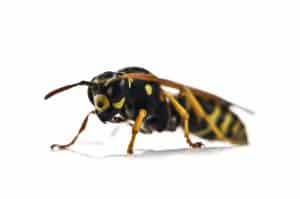



 Apex Pest Control