Strategies From Pest Control Services

Strategies From Pest Control Services

Effective Rat Control: Proven Strategies From Pest Control Services Strategies From Pest Control Services
It is impossible to exaggerate the significance of pest control services. Among the many concerns posed by pests are health issues, property damage, and a major decline in our standard of living.

Discover our comprehensive guide from Rodent Exterminators on proven techniques for safe and efficient rat control in your home.

Health Hazards Presented by Pests
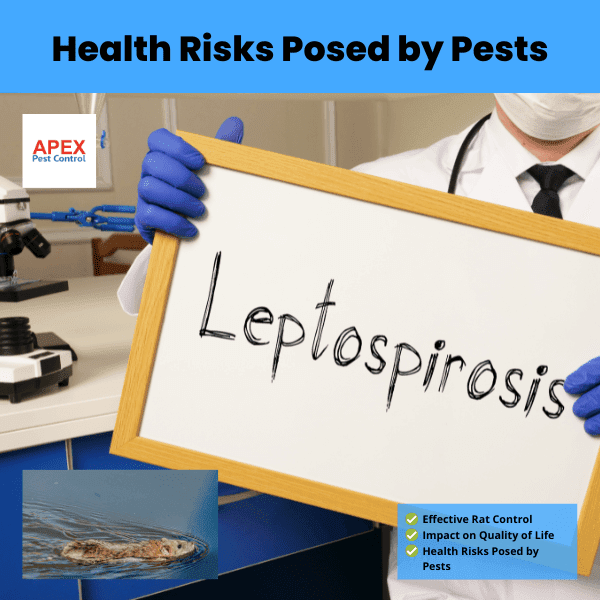
Health Risks Posed by Pests

Numerous pests can seriously harm your health. Human-harming illnesses like Salmonella and Hantavirus are known to be carried by rodents. Deadly illnesses like Lyme disease, malaria, and the Zika virus are spread by insects like ticks and mosquitoes. Additionally, cockroaches contain dangerous diseases that can cause anything from asthma attacks to diarrhoea.

Rats can spread diseases like hantavirus and leptospirosis, thus rodent control measures are crucial to safeguarding human health.

Pest-Related Property Damage
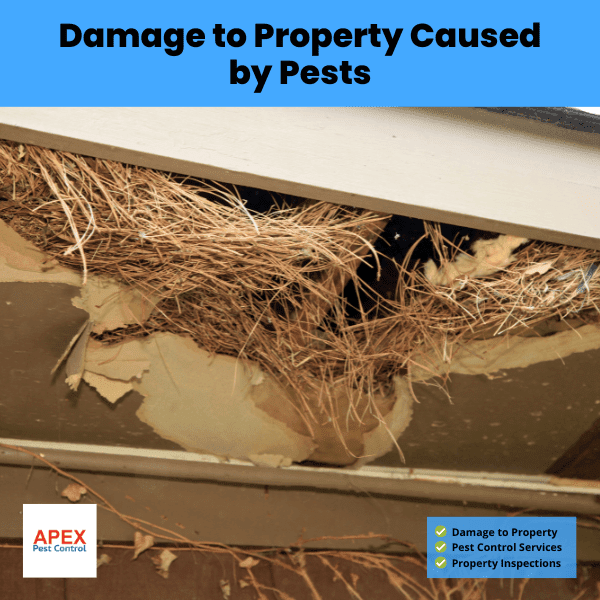
Damage to Property Caused by Pests

In addition to endangering human health, pests seriously harm property. Termites are infamous for their destructive behaviour; over time, their consumption of wood weakens the structure, necessitating expensive repairs or replacement. Similar to how insects like carpet beetles destroy carpets and fabrics, rodents can cause fires by chewing through wires.

Rats frequently cause wire damage that results in fires, which exacerbates financial losses and causes substantial structural and economic damage.

Impact on Quality of Life

Pests have a major impact on our well-being in addition to posing a risk to our physical health and destroying our property. Cockroaches are an embarrassment in homes, while bed bugs cause anxiety or stress by interfering with sleep cycles.

By keeping the environment pest-free, proactive preventative actions like rodent-proof bins and environmental cleaning can raise living standards.

An Overview of Pest Control Services
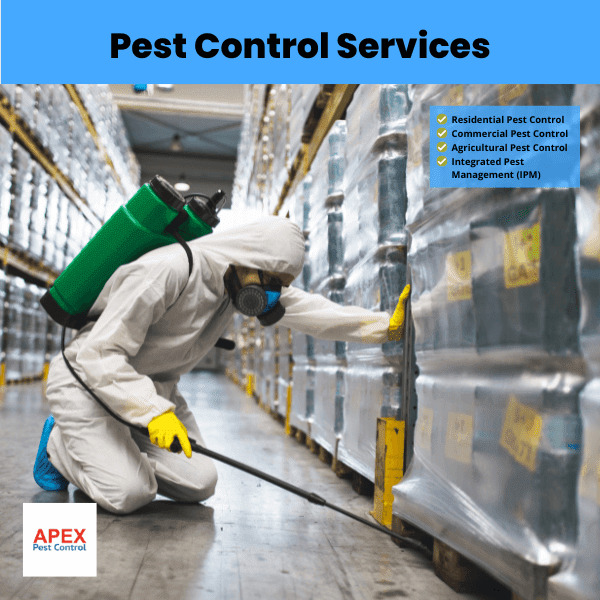
Pest Control Services_ An Overview

Exploring various types of pest control services provides insight into specialised approaches:

Residential Pest Control

Using techniques like chemical sprays or baits, these services concentrate on preventing pests from entering residential buildings, with a particular focus on protecting homes from common pests like termites and cockroaches.

Commercial Pest Control

This section primarily serves establishments where a pest-free environment is essential, such as restaurants where hygienic conditions are of the utmost importance or warehouses that require specific commercial pest management procedures to prevent rodents from destroying stored goods.

Agricultural Pest Control

This service is mostly used by the agriculture sector to control pests that damage crops; insects that devour leaves have a significant negative impact on productivity, making efficient agricultural pest management strategies necessary.

For comprehensive pest control, Integrated Pest Management (IPM) effectively blends sanitation and habitat alteration, exclusion strategies, and trapping and baiting.

Typical Pests and How to Control Them
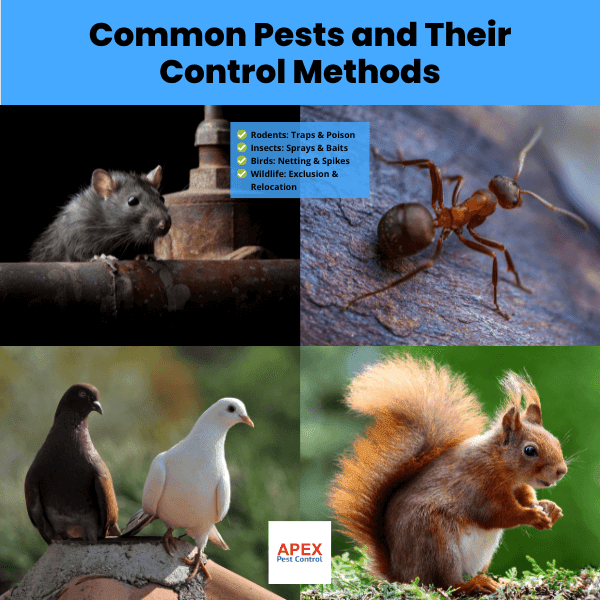
Common Pests and Their Control Methods

Rodents: Traps & Poison

It takes trapping techniques to catch rodent infestations, and poisons are frequently used to eradicate them completely.

Insects: Sprays & Baits

Although pesticide sprays are frequently used to combat insect pests, baits work well because they draw insects to contaminated food sources, resulting in a steady decline in population.

Birds: Netting & Spikes

By keeping birds from landing on windowsills or rooftops, netting or spikes serve as deterrents and lessen the issue of bird infestation.

Wildlife: Exclusion & Relocation

Exclusion tactics that prevent the access points of wildlife, such as racoons, into residences are effective, and humane trapping and relocation are frequently used.

Things to Take Into Account While Selecting a Pest Control Service

Factors to Consider When Choosing a Pest Control Service

Take into account the company’s background and standing in the community; user reviews provide helpful information in this regard.

Experience and Credentials

Make sure the pest service inspects the home thoroughly and customises methods such as entrance prevention and humane elimination to address particular problems.

The Pest Control Service Process
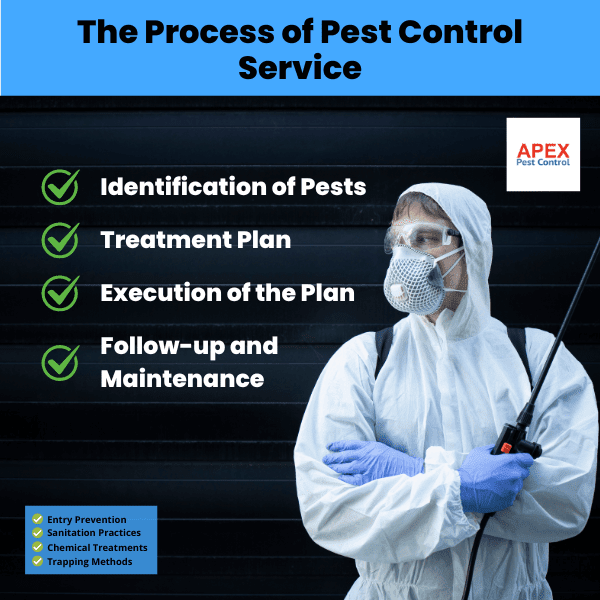
The Process of Pest Control Service

An initial inspection helps with later procedures by identifying possible infestation sites and identifying the pest species present.

Identification of Pests

Since various pests require different management strategies, accurate pest identification aids in the development of an efficient treatment plan.

Treatment Plan

The following stage is creating a thorough treatment plan that is customised based on the type of pest found, the extent of the infestation, and other factors.

Execution of the Plan

The next step is plan execution, in which skilled personnel carefully administer therapies to guarantee optimal efficacy.

Follow-up and Maintenance

Along with prevention-focused care, routine follow-ups guarantee ongoing success in limiting new infestations.

Professional Services vs. Do-It-Yourself Pest Control
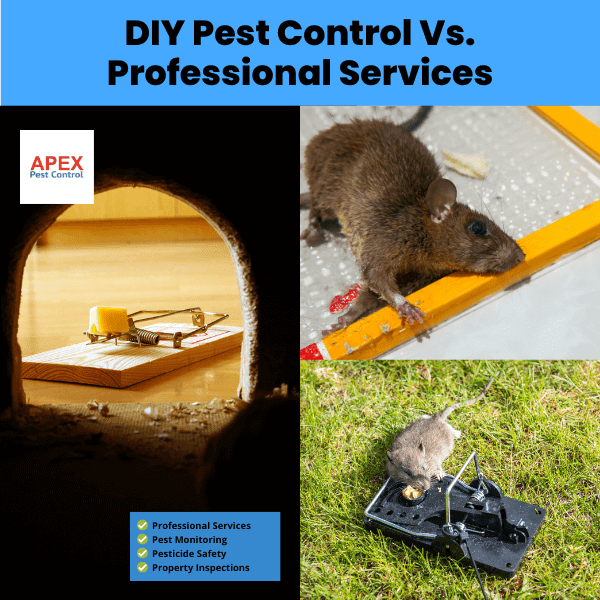
DIY Pest Control Vs. Professional Services

Pros and Cons of DIY Pest Control

Do-it-yourself techniques can save money and offer quick fixes. Lack of understanding, however, could result in ineffective pest control or possible injury from incorrect chemical application.

Pros and Cons of Professional Services

With their resources and experience, professional services provide all-inclusive solutions. The drawbacks include the possibility of schedule difficulties and the potential for increased expense.

The Future of Pest Control Services
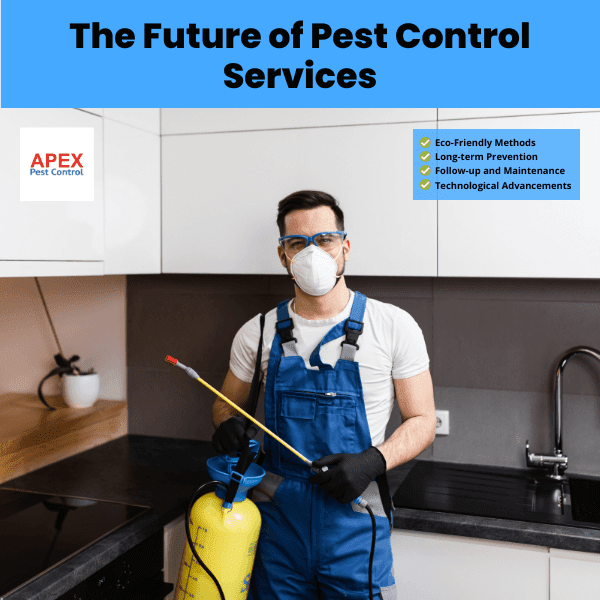
The Future of Pest Control Services

Technological Advancements

Effectiveness is significantly increased by new technology, such as drone-based pesticide administration techniques or heat treatments for bed bugs.

Eco-Friendly Methods

Growing environmental awareness has resulted in environmentally friendly control techniques that reduce chemical impact.

Integrated Pest Management

This all-encompassing strategy prioritises long-term pest control over reactive measures by combining several strategies (prevention, monitoring, etc.).

Concluding Remarks

Importance of Regular Pest Control

Frequent pest management promotes healthier living conditions, early detection, and the avoidance of extensive infestations.

Role of Homeowners and Businesses in Pest Control

By maintaining proper hygiene and limiting bugs’ food sources, both businesses and homeowners can play important roles in effective pest management.

Conclusion

It takes patience to deal with pests; keep in mind that not all infestations can be avoided, but timely professional intervention and routine inspections assist manage them successfully.

Frequently Asked Questions

How often should I get my property inspected for pests?

A bi-annual inspection is recommended as most pests reproduce twice a year. However, high-risk areas might require quarterly inspections.

Are DIY methods sufficient against severe infestation?

While some minor problems can be handled through DIY approaches, severe cases require professional help ensuring complete elimination.

Are pesticides harmful to humans?

Yes, if improperly used or mishandled; however, licensed professionals utilise approved products responsibly, minimising associated risks.

What is the meaning of pest control services?

Pest control services involve the management, reduction, or elimination of unwanted insects and pests from buildings and other areas where they are not wanted.

How does pest control work?

Pest control typically employs a combination of chemical treatments and natural methods to manage or eliminate infestations. Traps and other strategies may also be used for rodent control.

What does pest control do in your house?

In your home, pest control applies substances designed to eliminate or repel harmful insects and pests, ensuring a safer environment for your household.

Is pest control worth doing?

Engaging a professional pest management company can greatly reduce concerns about risks to your home and family’s well-being, making it a worthwhile investment for peace of mind.

How long should a pest control treatment take?

Treatment times can vary, but for common pests like ants and cockroaches, it usually takes about 15 to 30 minutes. However, the duration may differ depending on the severity of the infestation.

Rodent Exterminators

Rodent Exterminators

Understanding Rat Control: The Crucial Guide for Expert Rodent Extermination Services

Effective rodent control techniques are necessary because rats and other rodents represent serious risks to property and human health. In order to effectively handle these pest issues through effective pest control and eradication techniques, professional rodent exterminators are essential. This thorough guide explores the world of exterminators, their crucial functions, and the state-of-the-art methods they use to protect our towns and homes from rat infestations.

Discover our detailed guide on effective DIY rat control methods for safe and successful rodent management at home.

Exterminators’ Role in Rodent Control

First, let’s review the fundamentals of what an exterminator is. A specialist in getting rid of pests and rodents from buildings and other structures is known as an exterminator. They are skilled professionals with the know-how, equipment, and methods necessary to successfully manage various pests.

Exterminators examine homes or businesses for indications of infestation as part of their tasks and obligations. This entails identifying rodents, detecting pests, and comprehending their feeding habits and capacity for reproduction. After obtaining this vital information, they plan ways to manage or get rid of these unwanted visitors while maintaining safety precautions.

Knowing the Knowledge Needed

Exterminators must complete demanding certification and training programs. Their proficiency in rodent extermination extends beyond application; they also comprehend the characteristics of pests, including defensive mechanisms and aggressive tendencies. This makes it possible for them to successfully customise remedies, which is necessary for both long-lasting rodent solutions and successful rodent prevention.

The importance of Exterminators in the Eradication of Rodents

Because they can spread diseases that are hazardous to humans, rodents present serious health threats. Among the major health risks that exterminators assist in reducing are rodent-borne diseases, such as hantavirus. Additionally, rodent infestations include contamination indicators such as rat droppings, which need to be handled carefully, as well as diseases linked to pests.

Another issue is rodent-induced property damage. Rats, for example, can be major rodent risks to infrastructure due to their gnawing behaviours, and termites alone cost households billions of dollars every year. By using cutting-edge pest management techniques created especially based on recognised insect activity patterns, exterminators play a critical role in this situation.

The Method of Eliminating Rodents

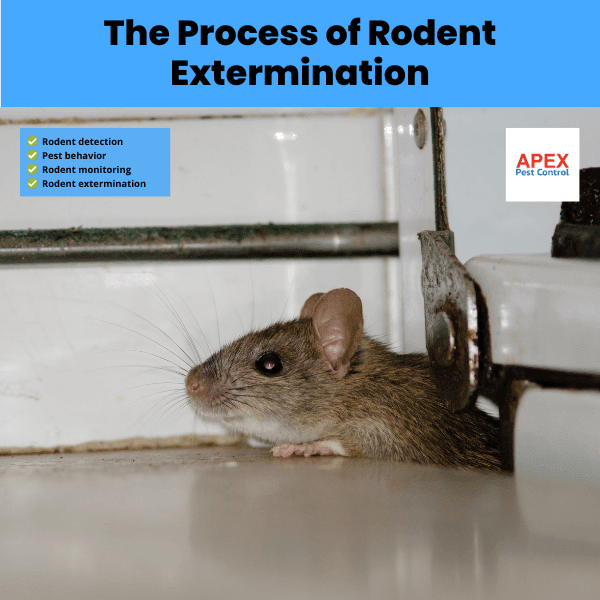
The Process of Rodent Extermination

The first step in extermination is rat identification during comprehensive inspections, where experts use evidence like droppings, pest waste, and other contamination indicators to identify pests, including rodents, that are present within the building. To decide which treatment approach would be most successful given current rodent problems, they evaluated the extent of the infestation. The creation and implementation of a customised strategy to deal with rodent issues comes next. Last but not least, follow-up care guarantees that pests have been completely eradicated and cannot reappear.

Crucial Steps for Successful Extermination

  • Thorough Inspection: A meticulous walkthrough for rodent detection and lifecycle stage assessment.
  • Assessment and Planning: Developing a customised action plan, considering the infestation control level and environmental factors.
  • Treatment Application: Utilising chemical or non-chemical methods for efficient rodent solutions tailored to specific species identification.
  • Monitoring and Follow-up: Ensuring rodent eradication has been successful and implementing preventive measures to get rid of rodents permanently.

Pest Types Exterminators Handle

Insects

Ants, cockroaches, and bed bugs are common invaders, causing nuisances if left uncontrolled and requiring pest services tailored to pest-related diseases.

Rodents

Rodents like rats and mice cause extensive damage due to gnawing and their reproductive potential, spreading diseases and contaminating food sources.

Wildlife

Creatures such as racoons and squirrels pose their own unique challenges, requiring specialised removal techniques by pest professionals.

Equipment and Methods Employed by Rodent Exterminators

Chemical Methods

This involves using pesticides, insecticides, rodenticides, and other toxic substances for rodent extermination. Though effective, it is crucial these methods are applied safely under guidance from pest professionals.

Non-Chemical Methods

These include trapping, exclusion, and mechanical devices preferred for their lower environmental impact and fewer health risks to humans and pets. Employing strategy-driven methods ensures defence mechanisms rodents use are effectively neutralised.

Innovative Technologies in Pest Control

Recent technological advancements, such as the use of drones for rodent detection and monitoring, alongside AI-powered species identification systems, are revolutionising pest management, improving both accuracy and efficiency in addressing rodent lifecycle and feeding behaviour issues.

Safety Measures in Rodent Extermination

Safety measures form a vital component of any rodent extermination process, ensuring the well-being during and post-treatment. Protective equipment, proper handling of chemicals, and post-treatment cleanup are a few safety measures pest professionals usually adopt, especially considering the disease risks and health dangers involved.

How to Pick a Trustworthy Rodent Exterminator

Checking credentials and certificates assures you are dealing with a certified individual that adheres to industry norms and practises. To evaluate the reputation of the pest control company, it’s critical to search for reviews and comments from prior customers. Verifying whether the benefit and cost of appropriate rodent management are comparable can be accomplished by comparing pest control services and costs.

The Future of Rodent Extermination

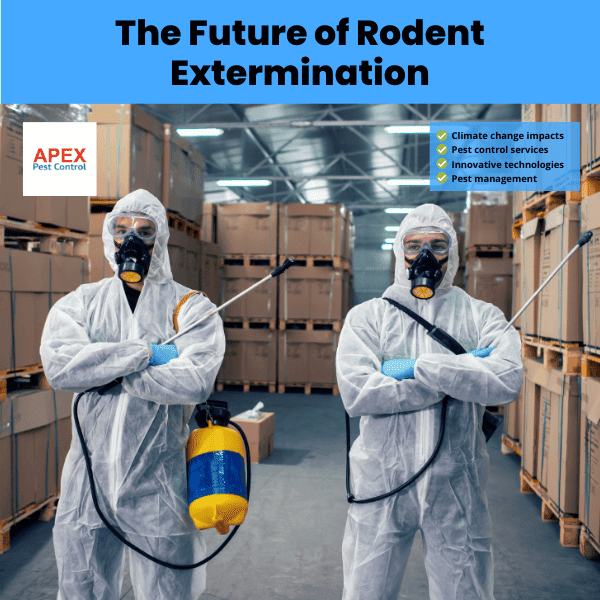
The Future of Rodent Extermination

Pest infestations are becoming more common due to technological developments in pest control as well as the effects of climate change on rodent lifecycles and species growth. The requirement for qualified exterminators who can create effective rodent control solutions that adjust to these changes is highlighted by the increase in rodents’ capacity for reproduction. 

Conclusion

Exterminating rodents is not only convenient; it is also necessary to protect our property and health from rodent hazards. The need for expert exterminators to get rid of rodents will continue as long as they are an issue. Since prevention is always preferable to treatment, we must continue to be vigilant and knowledgeable about potential dangers like rodents that may be hiding in our surroundings.

Frequently Asked Questions

What do exterminators do?

Exterminators inspect premises for signs of pest infestation, identify the types of pests present, assess infestation levels, and devise a plan to eliminate rodents using chemical or non-chemical methods.

Why are exterminators important?

Exterminators mitigate health risks posed by rodents and pests. They also protect property from significant damage due to unchecked rodent activity.

How does one choose a reliable rodent exterminator?

Look for credentials and certifications. Read reviews and compare pest services among providers to ensure you receive effective rodent solutions.

What is the future outlook on rodent extermination?

The field will continue to evolve with technological advancements in pest control techniques. Climate change impacts highlight how pest management evolves in response, making exterminators critical for dealing with pest and rodent infestations.

Wasp-prevention-Tips

Tips for Avoiding Wasps 

The Best Wasp Prevention Tips: A Comprehensive Guide to a Sting-Free Summer

Wasp prevention Tips

The Benefits of Preventing Wasps

Importance of Wasp Prevention

Although wasps are an essential part of the delicate balance of the ecology, their nests in residential areas can pose a threat. Two significant problems with wasp infestations are the possible health hazards and property damage.

Health Concerns Caused by Wasps

Wasps are usually not aggressive unless they are provoked or their nest is in jeopardy. However, their stings can cause unbearable redness and swelling when they attack. Those who are allergic to wasp venom may experience severe allergic reactions from a wasp bite, requiring immediate medical attention.

Wasps Damage to Property

Wasps can do significant damage to property in addition to endangering human health. Some animals chew on wood structures and furniture, resulting in damage that gradually jeopardises the structural integrity and beauty.

Identifying Wasp Infestations

Identifying Wasp Infestations

To avoid more serious consequences, it is imperative to diagnose a wasp infestation as soon as possible. It begins with learning the telltale signs of a nearby nest and the usual locations that these insects choose to construct their homes.

Signs of a Wasp Nest

One clear sign that wasps are active in the region is if you frequently see a large number of them flying around. You might also find little bits of paper-like material scattered around; these could be fragments of their nests, which were made of saliva and shredded wood pulp.

Typical Locations Where Wasps Build Nests

Generally preferring remote locations free from human interference, such as tree limbs or attics, while certain species may also select outdoor spaces like bushes or tree limbs.

Methods for Avoiding Wasps

Wasp Prevention Methods

The possibility of unwanted guests settling in your home is significantly reduced by a comprehensive plan that involves frequent inspections and regular waste disposal.

Regular Inspection of the Property

Searching for Nests

Inspections of the entire property on a regular basis greatly aid in the early detection of any suspicious activity or nests, enabling prompt action to be taken before they become significant infestation problems.

Locating Potential Nesting Sites

By looking for cracks, attic areas, beneath decking, and porch ceilings, one might anticipate potential wasp nesting locations.

Appropriate Waste Disposal

Closed Trash Cans

Since wasps feed on human waste, tightly sealing trash cans prevents them from becoming attracted to them.

Regular Trash Removal

Frequent trash removal maintains the area clean and discourages these creatures from visiting.

Closing Entry Points

Patching Up the Cracks and Gaps

Patch up any holes and cracks in the walls and roof. These might serve as entry points for wasps seeking a safe place to build their nests.

Sealing Windows and Doors

Make sure that doors and windows shut securely and are free of gaps; these pests may find little openings to enter your home.

Wasp Natural Remedies

Natural Wasp Deterrents

Using natural deterrents in your preventative strategy is also a smart option because they offer eco-friendly substitutes that injure other creatures just a little.

Plants that Repel Wasps

Wasps are reported to be repulsed by a variety of plants, including wormwood, eucalyptus, and citronella, due to their dislike of strong scents.

Using Wasp-Repelling Essential Oils

It has been demonstrated that some essential oils, such as peppermint oil, are effective at keeping these insects at bay. A good strategy to discourage them is to spray common nesting areas.

When To Call A Professional

Professional Wasp Control Services

Because of the scale of the infestation or the difficulty in accessing nests, among other reasons, it may still be necessary to seek professional assistance even after taking all necessary precautions.

How Far the Infestation Has Spread

If you discover multiple nests in your home, you most likely have a significant infestation that will require professional assistance to successfully remove.

Having Trouble Getting Into The Nest

Calling in experts would be the best plan of action if reaching the nest location—high up in trees or buildings—proves to be challenging without the necessary skills or equipment.

The Risks Associated with DIY Wasp Elimination

It might be quite risky for those who have allergies in particular to try to eliminate wasps on your own. Professionals are equipped to handle these insects in a way that minimises harm.

Summary

In conclusion, it is critical to maintain areas clean by properly managing trash, as well as to keep an eye out for any signs of nests or dubious activity on the property. Sealing off every point of entry is a crucial part of the invasion defence strategy.

Although natural deterrents offer sustainable techniques for addressing this problem, professional action is still necessary in circumstances of large-scale infestations or inaccessible nests.

Frequently Asked Questions

How dangerous can a wasp sting be?

While painful and uncomfortable, most stings don’t cause severe reactions unless an individual has an allergy towards venom wherein medical help should be sought immediately.

What do I do if I find a nest in my house?

If the nest is small and easily accessible you might attempt removal using store bought products however larger ones particularly located at hard-to-reach places would require professional services ensuring safe extraction without endangering oneself or others around them.

Can essential oils really deter wasps?

Yes, certain essential oils like peppermint have been shown to be effective against deterring these creatures from nesting nearby but must be used consistently for maximum effectivity.

Is it okay to kill Wasps?

As far as possible we should avoid killing them considering their role within ecosystem but there could circumstances where safety becomes primary concern requiring extermination measures undertaken by experts familiar with humane practises causing least amount suffering involved.

Wasp-Population-Control

Management of Wasp Population

The Significance of Wasp Population Control

Wasp Population Control

Wasps, despite the fact that they are occasionally viewed as pests, are vital to our ecosystem. They help with the natural management of pests because they are predators of many insects that people perceive to be nuisances. When wasps intervene by eating other bugs, they help manage numbers that may explode otherwise.

However, a wasp colony that is too large could be harmful to the ecosystem. If left unmanaged or uncontrolled, wasps can seriously disturb outdoor activities due to their aggressive behaviour and painful stings. They might be quite harmful, especially to people who are allergic.

How to Identify an Infestation of Wasps

Identifying a Wasp Infestation

Before taking any action to control the wasp population, it is imperative to make sure that it is wasps and not bees or other significant pollinator species whose numbers are already threatened globally. A wasp infestation can be detected by looking for wasp nests attached to trees or buildings, as well as by observing increased activity in and around your home or yard.

Nesting sites are frequently found in sheds, garages, beneath decks, behind shutters, in bird boxes, and in cracks in walls and roofs. When these animals are hunting for places to develop colonies, they are drawn to any region that is shielded from the weather.

Natural Methods of Wasp Population Control

Natural Methods for Wasp Population Control

If you would prefer to avoid using chemicals wherever possible, there are some non-toxic methods that are effective in controlling local populations. One method is to plant species that are intended to repel them, such as wormwood and eucalyptus, which are thought to be unpleasant to these flying pests.

Using handcrafted traps, which are built of sweetened water and placed within lidded containers where they enter but struggle to exit, is an alternative strategy.

Using natural repellents, including essential oils like peppermint, is another way to stop trespassers from trying to build homes nearby.

Professional Services for Wasp Control

Professional Wasp Control Services

While many homeowners first choose do-it-yourself solutions, there are times when employing professionals is required, particularly in cases of large infestations that could pose a risk to you or your neighbours.

Professional exterminators often conduct an initial assessment, determine the species of wasp you have, and select the most efficient eradication method.

The amount of the infestation, the location’s accessibility, and local rates are some of the factors that affect the cost. But remember, this investment ensures safety and minimises harm to property.

Methods for Preventing Wasp Infestations

Preventive Measures for Wasp Infestations

To prevent these insects from becoming more than a minor annoyance, proactive steps must be taken. Regular inspection helps spot warning signs before things spiral out of control, particularly in the spring when they start to construct nests.

Tightly sealing bins keeps critters from accessing food supplies that would otherwise attract them to your area, which is another step in good trash management.

Furthermore, all crevices and openings around homes need to be sealed up because they could be entry points for trespassers seeking safety inside, where they could otherwise establish new colonies.

The Role of Local Communities in Wasp Control

The Role of Local Communities in Wasp Control

Effective control extends to the communal level, transcending individual endeavours. Through promoting knowledge about appropriate identification and management techniques, all individuals may meaningfully contribute to our ecosystem without needlessly causing harm to it.

Coordinated efforts help manage populations more successfully by ensuring that infestations are addressed systematically throughout neighbourhoods rather than just moving from backyard to backyard.

Impact of Climate Change on Wasp Populations

Impact of Climate Change on Wasp Populations

Global warming affects everything that lives, including wasps, whose populations have been found to rise in direct proportion to rising temperatures. This will make pest control much more challenging in the future. By promoting eco-friendly behaviours and reducing our carbon footprint, we can indirectly control the rate of climate change expansion and help to manage it.

Summary of Key Points

It’s important to manage wasp populations because, while they are beneficial to ecosystems and can aid in natural pest control, unchecked populations can cause problems.

Numerous effective techniques exist, ranging from do-it-yourself strategies utilising plants, homemade traps, and natural repellents to employing experts when needed and balancing the cost against safety concerns.

Collaboration between communities and individuals generates a wider safety net for the effective eradication of these pests. The changing climate adds another level of complexity, but if we take shared responsibility and education seriously, we can meet this issue as a community and live in peace with our noisy neighbours.

Frequently Asked Questions

What role do wasps play in the ecosystem?

Wasps serve as natural pest control agents by preying on other insects.

How can I identify a wasp infestation?

High activity around your home or garden and discovery of nests are primary indicators.

What natural methods exist for wasp population control?

Planting deterrent species, using homemade traps, and applying natural repellents help manage numbers without resorting to harsh chemicals.

When should I call professional services?

For large infestations posing risks to you or others’ safety due to potential stings it’s advisable seeking professional assistance.

How does climate change affect wasp populations?

Rising temperatures have been linked to an increase in their numbers thus adding more challenges for pest management efforts globally.

Professional-Exterminators

Professional Pest Control

The Role of Professional Exterminators

Professional Exterminators

Professional exterminators have received specialised training in managing and eliminating pests in a range of environments. They have the skills, tools, and knowledge required to deal with a range of pest infestations.

There are numerous tasks that exterminators perform. These include keeping an eye out for signs of pest activity near homes or other structures, identifying the type of pest causing problems, formulating an effective treatment plan, and implementing it in a way that is both safe and efficient. They also have to follow up on a regular basis to ensure complete eradication and prevent future infestations.

The Value of Trained Pest Control Professionals

The Importance of Professional Exterminators

Pests pose a severe threat to human health. They can transmit diseases such as Lyme disease (ticks), plague (fleas on rats), malaria (mosquitoes), and infections with salmonella or E. Coli (cockroaches).

Property damage is another major issue caused by termites and other pests that eat away at timber structures in homes and necessitate expensive repairs. Rats can ignite fires in addition to chewing through electrical equipment.

Professional exterminators are crucial in reducing these issues since they eradicate the pests and provide property owners with advice on how to prevent future infestations.

The Expert Termination Procedures

The Process of Professional Extermination

Before scheduling services, exterminators thoroughly inspect the premises to identify any active infestations and potential risk areas.

They develop a pest control plan based on their study, which may involve physical interventions like traps or chemical solutions depending on the extent and type of the infestation.

The second phase is implementation, in which they meticulously follow out this strategy, making sure that every crack has been sealed to keep pests hidden. Finally, routine follow-up appointments are scheduled to determine whether any new problems have surfaced that require additional treatments, if needed.

Types of Pests That Expert Exterminators Deal With

Types Of Pests Handled By Professional Exterminaton

Expert exterminators deal with a wide range of insects, including cockroaches, which are known to spread illnesses, ants that burrow into kitchens in pursuit of food, and bed bugs that irritate skin because they interfere with sleep.

Rodents, such as mice and rats, are known to be destructive, yet they are also easily controlled. However, if they make your home their home, wildlife like squirrels and racoons can become a problem.

The Tools and Techniques Used by Expert Exterminators

The Tools and Techniques Used by Professional Exterminators

A wide range of pest control equipment is used by exterminators, such as sprayers, fogging machines, and rodent or wildlife traps. They may employ substances designed expressly to destroy insects but that are safe for humans and animals to consume.

Due to the increasing demand for eco-friendly solutions, several exterminators now provide natural treatments. They also stay current with the latest developments in pest control methods to provide efficient services.

The Benefits of Hiring Trained Exterminators

The Benefits of Hiring Professional Exterminators

Professional exterminators have an advantage over do-it-yourself methods, which can not yield the desired results due to a lack of knowledge about the habits and behaviours of pests.

To guarantee that pesticides are sprayed correctly and present the least amount of damage to the environment and public health, professionals use safety procedures. Long-term solutions help to stop fresh infestations, which provides homeowners with peace of mind.

How to Pick a Professional Pest Controller

When choosing a professional exterminator, take into account factors like qualifications; an experienced and licensed provider is likely more equipped to handle infestations safely and effectively than a licensed provider with a lot of field experience.

Check out previous client testimonials as well. When assessing a candidate’s treatment programmes, fees, and warranties, keep in mind that transparency and clarity are critical markers of a reputable company and first-rate customer care.

The Cost Of Hiring Professional Exterminators

The Cost Of Hiring Professional Exterminators

The type of infestation, the size of the treated area, the number of required visits, and the intricacy of the issue all have a significant impact on hiring expenses. Higher costs are associated with these characteristics. The typical cost to hire common pests varies depending on the specific pest problem, but generally speaking, you should budget between $100 and $500.

arguing about price investigating package deals One method to be cost-effective and ensure that your property is pest-free for a long time is to have regular maintenance agreements. You can also stop these animals from causing expensive harm down the road if you act carelessly or fail to act quickly enough. It’s critical to remember that cost shouldn’t compromise the efficacy or safety of a treatment; in certain cases, the less expensive solutions might be the ideal ones.

Myths Often Held About Professional Exterminators

Common Misconceptions about Professional Exterminators

There are many myths and misconceptions, one of which is the widespread assumption that pesticides are bad for the environment. Actually, contemporary pest control companies focus on reducing their adverse environmental consequences by utilising chemicals sparingly and, whenever possible, selecting environmentally safe techniques.

Another myth is that paying professionals will be more expensive than the risks to one’s health or property harm that come with putting off pest control until the last minute. In actuality, hiring experts usually results in financial savings.

Final Thoughts on Professional Exterminators

In conclusion, professional exterminators are essential for shielding our homes and businesses from the damaging and sometimes lethal effects of a variety of pests. Their proficiency, expertise, and availability of state-of-the-art tools and techniques ensure that infestations will be effectively removed, providing us with a sense of security.

It’s crucial that you do your homework before selecting a professional; looking through references and credentials will help you make an informed decision. Remember that taking preventative measures against pests will eventually save you money, effort, and stress, so it’s a wise investment to make in ethical pest control.

FAQs

What should I look for when choosing a professional exterminator?

Look at factors like credentials (certifications/licences), experience in the field, customer reviews/ratings.

Are there any eco-friendly alternatives used by exterminators?

Yes, many modern-day exterminators offer natural treatments as part of their service line-up.

How can I save money when hiring an exterminator?

Negotiating prices or exploring package deals/regular maintenance contracts can help reduce costs over time.

Can I handle pest problems myself without professional help?

While minor infestations may be handled with DIY methods major ones require expert intervention due to risks involved such as incomplete eradication leading recurrence spread diseases causing significant property damage etc hence advisable hire professionals job.

Safety-Equipment-for-Wasp-Removal

Protective Equipment to Get Rid of Wasps

The Use of Safety Equipment in Wasp Extermination

Safety Equipment for Wasp Removal

Safety equipment is crucial for wasp removal. Handling wasps can provide major problems if incorrect management is implemented.

The risks involved in wasp removal

It is risky to remove a wasp nest since they are aggressive insects that become even more so when they perceive a threat. Repeated stings from wasps can result in severe damage and, in rare situations, life-threatening allergic reactions. High nests also carry the potential for severe injury from falls.

The benefits of wearing protective gear

When the right safety gear is used, these hazards are decreased. You or the professionals performing this work will find it easier if you are comfortably and sting-free.

Types of Safety Equipment for Wasp Removal

Types of Safety Equipment for Wasp Removal

When choosing safety equipment for wasp eradication, some things to consider are breathing protection, face and eye protection, and protective clothes.

Protective Clothing

This category includes full body suits, gloves, and boots designed specifically for pest control tasks like eliminating a wasp colony.

  • Full body suits: These cover your entire body providing maximum coverage against potential stings.
  • Gloves: Specialised gloves made from thick material keep your hands safe while allowing flexibility needed during the process.
  • Boots: Sturdy boots provide additional coverage protecting lower legs from any wandering ground-based pests.

Face and Eye Protection

Eye protection is a crucial factor to take into account when dealing with enraged swarms that may fly at your face.

  • Safety glasses shield eyes from both direct hits by agitated insects as well as dust or debris that might be kicked up during the process.
  • Full-face shields offer even more security by covering the whole face including the mouth which is often exposed otherwise.

Respiratory Protection

A respirator may not always be necessary, but in some situations—particularly those with high airborne particulate matter concentrations—it may make sense to use one. Simpler respirators, including dust masks, are recommended in these situations.

  • Dust masks: These cover the nose and mouth helping filter out smaller particles that can be breathed during wasp nest removal.
  • Respirators: For heavier-duty needs, respiratory protection may include more advanced devices like full-face or half-mask respirators. These types of gear also provide some eye and face protection while ensuring you breathe clean air.

Considerations to Make When Choosing Safety Equipment

Features to Consider When Choosing Safety Equipment

Material, size and fit, and ease of use are important considerations when selecting safety equipment for wasp eradication.

Material

The material used in the equipment’s construction is important because it influences both its sting resistance and durability.

  • Durability: Look for high-quality materials that won’t easily tear or break down over time. A durable suit will last longer and offer better value in the long run.
  • Resistance to Wasp Stings: The most effective gear offers strong resistance against sharp wasp stings. Thick fabrics like leather or heavy-duty synthetics usually deliver good results.

Size and Fit

For optimal comfort and coverage, make sure your equipment is fitted appropriately.

  • Comfort: Your protective clothing should be roomy enough so as not to restrict movement but not too loose where gaps might occur exposing skin to potential attack points
  • Coverage: Every piece of protective clothing must adequately cover vulnerable body parts ensuring no spots left unprotected

Ease Of Use

Being able to move freely and comfortably is essential, especially because each component is simple to put on and take off.

  • Putting On Taking Off: Choose items that have zippers or other fastenings allow quick simple dressing undressing avoid fussing with complex laces ties
  • Mobility While Wearing: Test mobility while wearing your chosen pieces to make sure they don’t hinder any necessary movements

Correct Use And Maintenance Of Safety Equipment

Proper Use And Maintenance Of Safety Equipment

Proper maintenance of your safety equipment is crucial to maximising its effectiveness and lifespan.

How to Properly Wear and Use Equipment

Verify that you are donning each piece in accordance with the guidelines provided by the manufacturer. Gloves should fit snugly without restricting movement, facial protection should be unblemished and uncracking, and suits should fully envelop the body.

Cleaning and storing of equipment

Cleaning the equipment on a regular basis is necessary to preserve its quality. Pay attention to the instructions on how to properly clean equipment without endangering the materials. Store in a cool, dry place and keep out of direct sunshine, which can progressively damage materials.

When To Replace Your Gear

As protective equipment is used and worn, its ability to ward off stings may diminish. You can tell when it needs to be replaced by routinely inspecting it for tears or other problems.

Professional Wasp Removal Services

Professional Wasp Removal Services

There are situations when it is better to seek professional aid when dealing with wasp nests.

When To Consider Professional Help

Consider seeking professional help. You should also get professional help if there are any large, hard-to-reach areas where you could put yourself at risk because of allergies.

The Benefits Of Employing Professionals

Wasp nests are efficiently handled by professionals who possess the requisite knowledge and abilities to securely remove them. To combat pests, they are equipped with the best safety gear and tools unique to their sector. Make recommendations for future preventive actions as well.

Final Thoughts on Safety Equipment for Wasp Elimination

Ensuring safety is paramount when getting rid of wasps. Using the right tools considerably reduces the hazards associated with the task.

An Overview Of Safety Equipment Types And Their Significance

As was previously said, several types of safety gear, including breathing aids, gloves, boots, face and eye protection, and full-body suits, provide varying levels of security depending on the circumstances. To avoid injury, it is essential to utilise them correctly.

Promotion Of Safe Procedures When Eliminating Wasps.

Priority one when managing pests such as wasps is safety. Investing in high-quality protective gear, skilled assistance, and adhering to safe procedures are preferable to taking a chance with your health and wellbeing and maybe suffering from negligence or a lack of preparedness when destroying a nest.

FAQ

What kind of material is best for protective clothing?

Thick fabrics like leather or heavy-duty synthetics usually deliver good results as they offer strong resistance against sharp wasp stings.

How often should I clean my safety equipment?

Cleaning frequency depends on usage. After every removal, it’s good practise to clean the gear. Always follow manufacturer’s instructions for cleaning.

When should I consider professional help with wasp removal?

Consider professional services if the nest is large, high up or in hard-to-reach areas that could be dangerous for you to confront yourself with. Also, allergic reactions warrant professional intervention.

What other benefits do professionals provide aside from removing nests?

Professionals are not only equipped with top-notch safety gear but also industry-specific tools to deal with pests effectively. They can offer expert advice and future prevention strategies too.

Wasp-Bait-And-Lures

Bait and Lures for Wasps

Effective Wasp Bait and Lures: Your Comprehensive Guide to Safe and Successful Pest Control

Wasp Bait And Lures

An Overview of Wasps in Brief

Wasps are insects with elongated mouthparts, smooth, slender bodies, cylindrical legs, and a narrow waist. They have many different colours, including as yellow, brown, metallic blue, and dazzling red. Due to their membership in the Vespidae family and the order Hymenoptera, they play significant roles as both pollinators and predators.

Popular Types of Wasps

Even though there are many different species of wasps in the world, some common ones are paper wasps, which are identified by their open-cell nests; hornets, which are larger than other wasp species; and yellowjackets, which are notorious for their aggressive behaviour, especially when they are in close proximity to food sources.

Wasp Habits and Conduct

Wasps are mostly active throughout the day and, because they eat nectar, are vital to the pollination processes. Moreover, a large number of them consume other insects as food, which supports organic pest control.

The Wasps’ Use of Lures and Bait

The Need for Wasp Bait and Lures

Issues Relating to Wasps

Even while these animals are good for the natural balance, they have a bad side. They can become aggressive and sting severely when they feel threatened, which can cause allergic reactions in some people.

The Benefits of Wasp Lures and Bait

To mitigate these risks, we employ lures that eventually drive them into traps located far from populated areas, effectively lowering their populations without substantially disrupting ecological balances.

Sorts of Lures and Bait for Wasps

Commercial Wasp Bait and Lures

There are many commercial options that are easily accessible and convenient to use right away. They are often used in conjunction with insecticides to guarantee effective population control strategies and user-friendly encounters.

DIY Wasp Bait and Lure Options

There are alternative possibilities if you prefer to do things on your own. You can strategically arrange items like fruit juice vinegar, sugar water, and even beer across your property to serve as attractants.

How Do These Work?

Science Behind Them

Baits use strong aromas that mimic natural food sources to entice prey to the trap, where they eventually fall victim to death.

The Role of Scent

This strategy mostly uses odours; wasps are drawn away from populated areas by meaty or sweet smells, which therefore lessen the possibility of unpleasant encounters.

Utilising Them Effectively

How To Use Baits Effectively

Best Time to Use It

These are the most effective tools, increasing success rates significantly, when worker wasp populations peak in late summer or early spring, when queen wasps are searching for food.

Optimal Locations for It

Bait installations are a great way to cut down on insect incursions; they work particularly well in garbage cans, outside dining places, and, if known, near nests.

Steps to Take Before Using These Tools

The risk of being stung can be decreased by wearing protective gear, particularly while engaging with known nest locations. Also, follow the manufacturer’s instructions at all times, particularly if you’re using commercial baits that can contain dangerous substances.

Creating Your Own Baits and Lures

Creating Your Own Bait And Lures

Ingredients and Materials Required

This is an inexpensive yet highly practical method that everyone can utilise. Basic kitchen supplies like a plastic bottle of sugar water or even some fruit pieces work excellent in this case.

A Detailed Guide To Creating It

Make a small hole in the container of your choosing and add equal parts water and sugar to it. Traps positioned around the property’s perimeter will work more effectively since this will attract pests while obstructing their escape routes.

Some Guidance for Effective Homemade Remedies

Replacing combinations on a regular basis will keep fragrances strong and the high quantities of attractants required for success, and cleaning containers will stop other insects from unintentionally becoming victims as well.

Evaluating Homemade and Commercial Alternatives

Comparing Commercial Vs Homemade Options

Although effectiveness varies depending on a number of factors, such as quality and timing of application, both offer significant control measures over these bothersome insects when used properly.

While commercial solutions may cost more due to additional features like better smell power and longer-lasting materials, homemade solutions are unquestionably more cost-effective because they only require basic ingredients that are typically found in our homes.

DIY solutions have less of an impact on the environment because they don’t heavily rely on the usage of chemicals, unlike certain products that are made commercially.

Common Mistakes to Avoid

For best outcomes, steer clear of these common errors at all times. Erroneous positioning or scheduling can significantly reduce efficacy, and neglecting safety measures may cause unnecessary harm.

Final Thoughts on Wasp Lures and Bait

Final Thoughts on Wasp Bait and Lures

Summary of Key Points

Knowing how wasps behave and using the right tools at the right times in the right places are essential for efficient wasp management.

Their Populations Must Be Managed

To avoid upsetting natural equilibrium, it is critical that humans find ways to manage populations rather than eradicate them entirely. A practical solution to this problem is provided by baits and lures.

We strongly recommend these tried-and-true methods to anyone dealing with wasp infestations; they will undoubtedly reduce the dangers that these pesky insects pose in our homes and communities.

FAQs

Are homemade traps harmful?

No, as long as you’re not including toxic substances they are safe even for the environment since they rely mainly on natural ingredients.

When is the best time to set out bait?

Early spring is ideal when queens emerge from hibernation seeking food although late summer too works well when worker numbers peak.

What should I do if stung by a wasp?

Cleanse area immediately with soap and water then apply cold compresses alongside over-the-counter pain relievers seek medical attention promptly if allergic reactions occur though like difficulty breathing dizziness among others.

What other control measures exist aside from baits?

Other methods include professional extermination services insecticide sprays and even keeping the surroundings clean minimising the attraction towards your property.

How often should one replace bait mixtures?

A good rule of thumb would be once scent fades usually after 7-10 days depending on weather conditions among other factors ensuring continuous lure strength needed for efficient pest control efforts across seasons.

Wasp-Behaviour

Wasp Behaviour

The Behaviour Of Wasps: Important Knowledge For Effective Prevention

Wasp Behaviour

Characteristics of the Various Wasp Species

Wasp Species and Their Characteristics

Most common species of wasps

Wasps belong to the huge group of insects, with over 30,000 different species. Wasp species that are frequently recognised include paper wasps, hornets, and yellow jackets. These animals stand out due to their size, colour, and manner of interacting with people.

Wasps Physical Features

A short waist separates the abdomen from the thorax, and wasps often have two pairs of wings. However, this depends on the species. Many are bright warning colours, such as black mixed with red or yellow, to warn potential predators of their deadly sting.

Regional Distribution And Habitat

A common pest, wasps are especially common in regions with flowers so they can feast on the nectar. They inhabit both wooded areas and residential gardens. They avoid polar or desert environments in general.

The Wasp Life Cycle

Wasp Life Cycle

The Wasp’s Life Stages

The life cycle of a typical wasp has four stages: the egg, larva, pupa (cocoon), and adult. Every phase is essential to the wasp’s growth.

The Importance Of Each Stage In The Wasp’s Life Cycle

Each stage serves a specific function: eggs mark the beginning of a species; larvae focus on feeding and developing; pupae permit transformation into adulthood within structures that resemble cocoons; adults perform reproductive functions that guarantee the survival of the species.

The Social Structure of Wasps

Social Structure Of Wasps

The Queen Wasp’s role

The queen wasp is vital because, after mating with drone (male) wasps, she lays all of the eggs in a social colony.

Worker Wasps’ Role

Worker females who tend to the building and maintenance of their nests rather than mating, tend to the larvae, and defend them when necessary.

Drone Wasps’s Role

Male drone equivalents primarily assist with reproduction; lacking stingers and other abilities necessary for other colony tasks, they perish shortly after mating season concludes.

Wasp Nest Construction

Wasp Nest Building

Materials Used in the Construction of Nests

Different wasp species utilise different materials to construct their nests; some use mud, like paper wasps, while others pulp wood.

The Process of Nest Building

Construction often begins in the spring, when a queen begins with small projects and progressively extends them as her workforce increases.

Types of Wasp Nests

Different types of nests are made by different species. Paper wasps, for instance, prefer lofty places and build open comb-like buildings, but yellow jackets usually excavate underground burrows. Hornets like large, closed nests, generally attached to trees or buildings.

Wasps’ Feeding Behaviour

Wasp Feeding Habits

Food Types That Wasps Eat

Wasps consume anything. Adult wasps mostly eat carbohydrates found in fruit juices, nectar, and, if available, leftover human food. Larvae take proteins from insects or spiders that labourers carry with them.

How Wasps Hunt and Find Food

With their razor-sharp mandibles, they seize and dismember animals, bringing the carcasses back to the nest to feed the larvae.

The Role of Food in Wasp Survival and Reproduction

Protein-rich food aids in the development of developing larvae, while adults primarily obtain their energy from carbohydrates contained in nectar, which are essential for survival and procreation.

Wasp Defence Mechanisms

Wasp Defence Mechanisms

Utilising Stingers

Because they can be used to both immobilise prey and defend against predators, stingers are vital survival mechanisms.

Wasp Poisoning and Its Impact

Venomycetes can inflame and create discomfort in people because of the combination of toxic substances like histamine and acetylcholine that they contain. Smaller animals can also be rendered immobile by it, which facilitates their capture.

Alternative Defence Plans

Some wear scary displays, while others adopt clever disguises. Mimicking vibrations scares away possible attackers and gives you time to escape.

Wasps’ Interaction with Humans

Wasp Interaction With Humans

Common Reasons for Wasp Attacks

Unlike bees, who are typically non-aggressive unless provoked, assaults occur when people inadvertently disturb their nest, setting off protective systems that cause a painful sting that can happen numerous times for a single female.

Ways to Avoid Being Stung by Wasps

The most effective avoidance strategy maintains a safe distance, particularly from nests, while quietly keeping an eye out for any sudden movements that can set off a defensive response. To reduce the likelihood of getting stung, remain calm and slowly back away if you are inadvertently confronted.

Treatment for Wasp Stings

Immediate therapy begins with cleaning the area and applying cold packs to reduce swelling. In the event of severe reactions, the next line of treatment is over-the-counter drugs including pain relievers and antihistamines. Seek immediate medical attention.

Wasps’ Role in the Ecosystem

Role Of Wasps In The Ecosystem

Wasps As Pollinators

Wasps contribute significantly to the functioning of ecosystems by feeding on and assisting in plant reproduction, which facilitates the transfer of pollen from blossom to blossom, despite their lack of effectiveness compared to bees.

Wasps As Pest Controllers

Wasps are crucial biocontrol agents that maintain the integrity of ecosystems and the health of agriculture because they are predators and eat a wide range of problematic insects.

Wasps’ Effect on Biodiversity

Their dual functions as predators and pollinators provide crucial links that enhance ecological networks’ resilience and biodiversity. Additionally, they have an indirect impact on local and global populations of plants and animals, which helps to maintain biodiversity overall.

Current Research on Wasp Behaviour

Current Research On Wasp Behaviour

Most Recent Wasp Behaviour Research

Recent studies have shown that some creatures exhibit complex social behaviours that involve cognitive abilities like facial recognition or observational learning, piquing interest in doing a more thorough analysis of these behaviours’ potential benefits.

Implications Of These Findings For Humans And The Environment

Our understanding of wasp behaviour and insect cognition has been expanded by these findings, which could contribute to the development of sustainable pest management strategies that are both humanely and ecologically beneficial.

A Synopsis of the Key Points

A Recap of Wasp Behaviour and Its Significance

Wasps have an amazing behaviour that is moulded by their interactions with people, defence mechanisms, social structure, and unusual life cycles. Their importance is emphasised by their roles in pollination and pest management, which favourably impact ecosystems, despite people’s frequent dread of them due to unpleasant sting experiences.

Conclusions Regarding The Importance Of Wasp Behaviour Identification

Recognising their significant contributions helps advance a more balanced perspective that encourages responsible interactions and appreciation for these unique, irreplaceable species, even if they are sometimes considered nuisances due to their ability to defend themselves fiercely when disturbed. Our comprehension of their behaviour may impact how we respond to them and may also provide motivation for additional research that could have beneficial ecological impacts.

Frequently Asked Questions

What are the most common types of wasps?

The most common types of wasps include yellow jackets, hornets, and paper wasps.

How does the life cycle of a wasp work?

The life cycle includes four stages: egg, larva (when feeding occurs), pupa (where metamorphosis happens) and adulthood mainly dedicated to reproduction tasks.

What is the social structure within a typical wasp colony?

Wasp colonies typically consist of one queen who lays all eggs; worker females who build/maintain nests feed larvae; drone males whose main role is mating with queens post which they die.

What roles do Wasps play in ecosystems?

Wasps contribute as pollinators while feeding on nectar facilitating plant reproduction also acting as biocontrol agents preying on pest insects benefiting agricultural/natural habitats indirectly influencing biodiversity at multiple scales.

What should you do if stung by a Wasp?

Cleanse sting site apply cold pack control swelling consider over-the-counter antihistamines painkillers but seek immediate medical attention if severe reaction symptoms appear including difficulty breathing excessive redness/swelling lasting several days nausea/dizziness/fainting spells etc., since this may indicate an allergic response necessitating professional care.

Wasp-Lifecycle

Life Cycle of Wasps

Examining the Wasp Lifecycle in More Detail

Wasp Lifecycle

Defining a Wasp

Wasps are insects that belong to the Hymenoptera order and the Vespidae family. Their body form is slim with a tight waist, they have two pairs of wings, a sting at the end of their abdomen, and dazzling colours, often a mixture of black and yellow or white. Over thirty thousand species with a wide range of characteristics have been identified under the general term “wasp.”

Types of Wasps

While solitary wasps prefer to live alone, thousands of wasps share communal nests. Although wasps come in a wide variety of species, they can be broadly categorised into two classes. The most common examples include cuckoo wasps, which are identified by their metallic blue-green body colour due to structural colouration, hornets, yellow jackets, paper wasps, who are known to build water-resistant nests from chewed wood pulp that resemble papier-mache, and other large social wasps.

The Life of a Wasp in Four Stages

The Four Stages Of A Wasp's Life

Egg Stage

Laying Of Eggs

Once mating has occurred, the queen’s task is usually done by late summer. These eggs are arranged inside the nest in various compartments.

Incubation Period

Once mating has occurred, the queen’s task is usually done by late summer. These eggs are arranged inside the nest in various compartments.

Larva Stage

Feeding And Growth

Once mating has occurred, the queen’s task is usually done by late summer. These eggs are arranged inside the nest in various compartments.

Moulting Process

These newly created larvae feed on caterpillars or other insects given by adult worker bees, ensuring rapid growth over several days or weeks, depending on individual type/species factors.

Pupa Stage

Transformation Process

Following the feeding stage, larvae develop into pupae, which are dormant stages that experience a significant internal metamorphosis before becoming adults. They abstain from eating at this period.

Development of Adult Features

Following the feeding stage, larvae develop into pupae, which are dormant stages that experience a significant internal metamorphosis before becoming adults. They abstain from eating at this period.

Adult Stage

Roles And Responsibilities

The pupa develops adult characteristics like wings, legs, and compound eyes within the protective cocoon that forms around it during this stage, which can last anywhere from one week to several months depending on the species and climatic conditions.

Lifespan Of Adult Wasps

Again, worker lifespans are usually restricted to a few months or weeks, depending on their role within the colony, whereas queen lifespans might reach up to a year. This is because the lives of workers are really difficult. In contrast, males are physically obligated to live only long enough to mate and then pass away naturally.

Wasp Reproduction

Wasp Reproduction

Mating Process

In late summer, a select group of females mate with men, preserving their sperm for later use in egg fertilisation. They hibernate in safe havens and reappear the next spring as fresh queens, starting the process of establishing new colonies.

Role Of The Queen Wasp

Beyond mating, a queen wasp’s duties also include tending to the colony as a whole, laying eggs, and eventually dying so that new queens can take over.

Role Of Male Wasps

Their primary responsibility is to impregnate future queens who die soon after giving birth, therefore ensuring annual continuity for the males of the next generation who are born just before hibernation begins in the autumn.

The Wasp Nest Building

Wasp Nest Building

Materials Used

While paper wasps use chewed wood pulp mixed with saliva to form weatherproof nests attached frequently under eaves house trees, etc., hornets prefer to build their nests on tree trunks or shrubs, and yellow jackets prefer abandoned rodent burrows or self-carved caverns.

Nest Design And Structure

While made of different materials, most wasp nests share a basic design consisting of a series of combs orientated horizontally that house cells meant to hold eggs, larvae, and pupae; these are all covered in protective casings that differ in size and complexity based on the species.

Role Of Worker Wasps In Nest Building

Workers must add more layers of combs, fix damage, keep the colony clean, and perform other activities to develop the structure to fit the growing population.

Wasp Social Structure and Behaviour

Wasp Behaviour and Social Structure

Social Wasps

They are all found in large colonies with a strict hierarchy headed by a queen and workers placed in descending order within the community. By doing certain tasks, each member adds to the overall well-being of the group.

Solitary Wasps

In contrast to their social counterparts, lonely people live alone and don’t form colonies, but others live in communities and share a nest with like-minded people.

Communication Among Wasps

Pheromones, which are chemical signals that help in the coordination of tasks including protection against predators, detecting food sources, and distinguishing individual roles and statuses within a colony, are the primary means of communication for wasps, aside from the visual and tactile cues employed in sophisticated societies.

Wasp Interaction with the Environment

Wasp Interaction with the Environment

Role In Ecosystem

Wasps are crucial pollinators of ecosystems that support agriculture and biodiversity by eliminating harmful insects and providing food for their larvae. They so manage pest populations and thereby promote agricultural and human health.

Predators And Threats

Apart from being common targets for wasps, several bird species, such as bats, spiders, mantises, dragonflies, and amphibians, are also at risk from parasites, illnesses, and unfavourable weather conditions that can result in premature demise. This is especially true during the winter months, when certain regions of the world experience yearly high rates of bird mortality due to hibernation. At the local and global levels, respectively, these elements negatively affect long-term survival perspectives individually and collectively, together with man-made ones such as habitat destruction and pesticide use.

Impact Of Seasonal Changes

A fresh life cycle is initiated by new queens who start to construct new nests and lay eggs as the weather warms and spring arrives. Male potential queens mate in the autumn before the hard winter drives them into hibernation, unless they overwinter in places shielded from the extreme cold and other negative forces, where they await the start of the next cycle in the spring.

Human-Wasp Interactions

Human-Wasp Interactions

Wasps As Pests

Humans are still commonly considered pests despite their numerous positive contributions to the ecosystem because of their aggressive behaviour, which can cause allergic reactions, painful stings, and in severe circumstances, even death for allergy sufferers. Therefore, management strategies must be implemented to safeguard both persons and property, particularly in urban regions with dense populations.

Wasps As Beneficial Insects

But to see them as just nuisances is to undervalue their immense ecological significance. Rather than being unjustly feared or disliked, they should be regarded and valued as plentiful pollinators and natural pest controllers that greatly benefit agriculture by reducing the need for chemical pesticides.

Safety Measures When Dealing With Wasps

For your personal safety Avoid provoking unwarranted animosity or retaliation against wasp nests, keep a safe distance from them, and study them quietly. These actions could have disastrous consequences. Instead, if necessary, handle the removal procedure by getting in touch with a licensed pest controller. health-wise, especially small children, the elderly, or those with known allergies who could be in danger under specific circumstances.

The Importance of Understanding the Wasp Life Cycle

Conclusion_ The Importance of Understanding the Wasp Lifecycle

Summary Of Key Points

Understanding a wasp’s life cycle can provide valuable understanding of its several phases of development, from egg to larva to pupa to adult, as well as aspects like nest construction, social structure, interaction, environment, and human relationships. Additionally, it closes knowledge gaps by providing a fair assessment of the significance of ecological, daily life, problems encountered, and viable solutions. The appreciation of knowledge on the one hand and fear and hatred on the other define a large segment of today’s global civilisation.

Relevance To Humans And Environment

Knowing the vital roles that wasps play in the ecosystem helps us to comprehend how they support pollination, biodiversity maintenance, pest management, and a more tolerant mindset. Additionally, they lessen conflict and promote harmony, all of which are important for our survival as well as the survival of future generations on this planet.

FAQs:

How long does a wasp live?

A queen wasp can live up to a year whereas workers and males live only for a few weeks or months.

How many types of wasps are there?

There are over 30,000 identified species of wasps with different characteristics and behaviours.

Do all wasps sting?

Only female wasps have stingers which they use to paralyse their prey and protect their colonies.

What do baby (larva) wasps eat?

Larvae primarily feed on caterpillars or other insects provided by adult worker bees ensuring rapid growth spanning several days or weeks based on specific type/species considerations

Are all Wasps aggressive?

Not all species of Wasp are aggressive. Only social Wasps such as Yellow Jackets, Hornets etc., tend to be more defensive if they perceive threats towards their nests.

Wasp-Nest-Locations

Where to Find Wasp Nests

Finding Out About Wasps

Wasp Nest Locations

A particular type of bug known for its distinctive black and yellow stripes and slender bodies are wasps. Their order, the Hymenoptera, is the same as that of ants and bees. Wasps play an essential role in ecosystems because they use predation to control pest populations.

All wasp species have unique characteristics and are found around the world in a wide variety of forms. A few typical ones are yellowjackets, mud daubers, paper wasps, and hornets. Homeowners may discover varying degrees of anxiety regarding each species’ distinct breeding habits.

An Understanding of Wasp Nests

Insights on Wasp Nests

A wasp colony’s queen lays her eggs in a nest, from which her young grow into adults who may hunt for food or protect themselves from predators. Pulverised wood pulp and worker wasp saliva are the primary constituents.

The process begins when the queen selects a suitable site to build her nest following overwintering. She converts wood fibres into pulp, which she uses to construct cells that resemble paper on which to lay her eggs. Eventually, these eggs hatch into worker wasps, which help the nest grow during the spring and summer.

Common Places to Find Wasp Nests

Common Places Where You'll Find Wasp Nests

Trees and shrubs offer good shelter from predators and vantage points for monitoring local food supplies like insects or nectar-producing flowers, therefore depending on the species, they can be the ideal location for nesting.

Under eaves or other building overhangs protect buildings from weather-related elements like rain because they are higher above the ground than other building overhangs. They also make it easier to enter homes if there are entrance points leading inside, making human habitations potential sites for them, particularly attics, loft spaces, voids within walls and even unused equipment stored outside.

Species that nest on the ground prefer exposed spots with sandy soils, former rat tunnels, and outdoor objects that provide overhead cover; garden pots turned upside down are an excellent example of such a place.

Factors Affecting Wasp Nest Location

Factors Determining Wasp Nest Locations

The availability of food has a major influence on the location of wasps’ nests. They look for areas that are abundant in their favoured food, which is typically nectar-producing flowers or insects.

Predator safety is another crucial factor to take into account. For this reason, many choose elevated locations like trees and overhanging structures to shield them from potentially harmful ground-dwelling species.

And last, there is the influence of the weather. Wasps prefer moderate environments with minimal temperature extremes because they maximise temperature regulation inside the colony, which ensures their survival. Because of this, they usually build their nests in sunny areas in the winter and in shaded areas in the hot months.

Finding Wasp Nests

Recognising Wasp Nests

By using visual recognition, a wasp nest may be found early on. Look for structures made of papery, grey or brown materials in areas where these insects are known to prefer to build their nests.

An other clue to possible nests nearby is increased activity of wasps in particular regions, especially if you notice them flying straight into openings. Little openings that signify frequently used exits and entrances.

Larger than a golf ball circular formations that can grow into football-sized colonies or even larger as older colonies mature during the summer are typical, while age-related variations in size and shape are also common.

Safety Measures for Wasp Nests

Taking Precautions With Wasp Nests

It’s important to maintain a safe distance to avoid defensive reactions that could cause stings, especially when working with established large colonies that have a huge number of individuals that can launch coordinated attacks.

For severe infestations or difficult-to-reach locations, it is best to get in touch with professional pest control specialists as they possess the required training equipment and are skilled in dealing with a wide range of pests, including those that are aggressive and need extra attention.

Wearing protective clothing, such as boots, gloves, long sleeve shirts, trousers, and face shields, can significantly lower the risk of harm by averting accidental contact.

How to Remove and Prevent Wasp Nest Problems in the Future

How To Remove and Prevent Future Wasp Nest Problems

Because of the risks involved, larger, more established nests should be left to specialists. However, if it’s safe enough, householders can use commercially available devices designed just for that reason to remove small, easily accessible nests themselves. Just be sure to pay close attention to the directions and make sure the therapy is successful for your own safety.

Finding potential nest locations and regularly inspecting the land are two ways to avoid this. Preventing entry points such as cracks and crevices, keeping gardens tidy, and getting rid of attractants such as food supplies and abandoned picnic items.

Summary

Managing any potential issues requires familiarity with common locations and wasp nesting behaviours. Early nest recognition enables one to take the necessary precautions before a problem gets out of control. Although mishandling them could be dangerous, professional help is readily available to ensure a safe and efficient removal process.

Ultimately, by honouring their vital role in maintaining ecological balance through their natural pest management activities, prevention is the best approach to keep these industrious insects at bay.

FAQs

What do wasp nests look like?

They’re typically grey or brown and made from a papery substance. The size varies but expect anything larger than a golf ball.

Where do wasps usually build their nests?

Common spots include trees, shrubs, under eaves or building overhangs and even inside homes in attics or wall voids. Some species prefer ground level sites too.

How can I prevent wasps from nesting on my property?

Regular inspections for potential nesting sites along with prompt sealing of possible entrances into your home are effective preventive measures. Keep your garden tidy and remove any food sources that may attract them.

When should I call a professional to deal with a wasp nest?

If you discover large established colonies especially in difficult-to-reach areas it’s safer and more effective hiring experts who possess the the adequate knowledge and equipment needed for such tasks.