
Effective Rat Control: Tested Techniques for a Home Free of Rodents

Why Rat Control Is Essential?
Controlling rat populations is a vital component of pest management that requires swift and decisive action from both homeowners and commercial property owners. Rats, most commonly from the genus Rattus, pose serious health threats and can result in extensive structural damage if their presence is not addressed promptly or is allowed to persist.
Health Hazards Associated with Rats
Rats are far more than a minor inconvenience—they are capable of transmitting dangerous diseases that can affect both people and animals. These rodents are known carriers of several serious illnesses, including:
- Leptospirosis
- Hantavirus Pulmonary Syndrome (HPS)
- Plague
- Tularaemia
- Salmonellosis
Many of these conditions can become life-threatening if not treated without delay. Rats spread harmful pathogens through their droppings, urine, and saliva, meaning that any contact with contaminated areas or materials can present a genuine health risk.

Property Damage Caused by Rats
Beyond health concerns, rats are responsible for significant damage to buildings and infrastructure. Their persistent gnawing behaviour leads them to chew through a wide variety of materials, including:
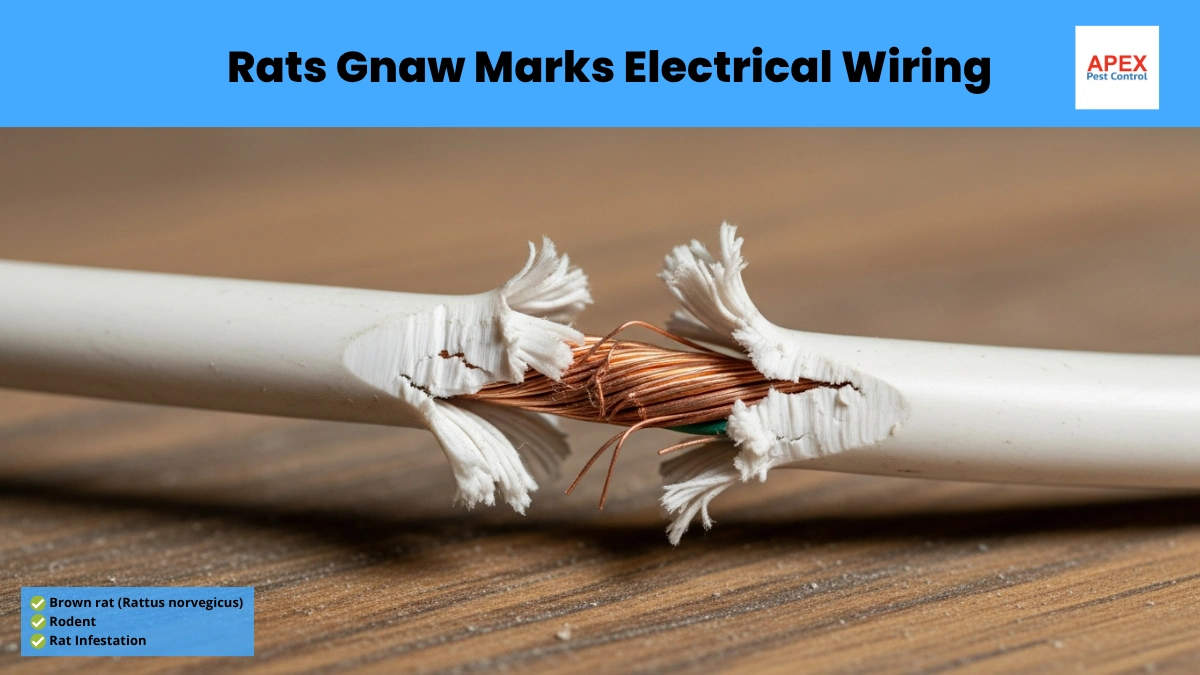
- Electrical wiring, which may result in short circuits or fire hazards
- Insulation materials, reducing energy efficiency and increasing heating costs
- Structural components, potentially leading to expensive repair work
The financial impact of a rat infestation can be considerable, affecting both residential properties and commercial premises.
Detecting a Rat Infestation

Recognising the early signs of rat activity is essential for putting effective control measures in place.
Indicators of Rat Activity
There are several noticeable signs that may suggest the presence of rats within your property:
- Droppings or urine marks
- Gnawing damage on food packaging or structural materials
- Tracks or pathways, often visible as clean lines in dusty areas
- Scratching or movement noises, particularly during nighttime when rats are most active
- Grease or smear marks along walls and skirting boards
Typical Areas Where Rats Take Shelter
Rats usually occupy hidden, secure locations that offer warmth, protection from predators, and close proximity to food sources. Common hiding places include:
- Basements
- Behind walls or cabinets
- Under floorboards
- In dense vegetation around buildings
Having a strong understanding of rat behaviour and habitat preferences is essential when developing effective control strategies.
Preventative Measures to Deter Rats

Implementing preventative actions is one of the the most effective ways to avoid infestations by making your environment less appealing to rats.
Managing Waste Properly
Waste disposal areas are a major attraction for rats, particularly when they are poorly maintained and allow rubbish to accumulate over time, creating ideal feeding conditions. To reduce this risk:
- Use durable bins with tightly sealed lids
- Dispose of rubbish on a regular basis
- Ensure compost bins are properly sealed and located away from buildings
Sealing Potential Entry Points
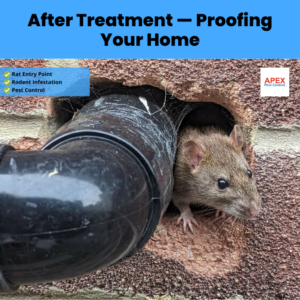
Preventing rats from gaining access is a crucial step in control. Common entry routes include:
- Gaps around doors/windows/vents/pipes
- Cracks or holes in walls/floors
- Openings around utility lines
These openings should be sealed using robust materials such as steel wool, sealant, or metal sheeting to effectively block access.
Restricting Access to Food Sources
Limiting food availability is another key deterrent. This can be achieved by:
- Storing dry foods in airtight containers
- Cleaning up crumbs and spills promptly
- Keeping pet food sealed and not left exposed when not in use
Methods for Controlling Rat Populations

If preventative efforts are not enough and an infestation occurs, a variety of control methods can be implemented.
Trapping
Types of Rat Traps
There are several types of traps available, each offering different advantages depending on the situation:
- Snap traps
- Live-catch traps
- Glue boards
- Electronic traps
Using Rat Traps Effectively
Successful trapping relies heavily on correct placement. Traps should be positioned:
- Along known routes they frequent
- Where they’re forced to pass over the trap
- Baited with their favourite foods (fruits, nuts, meats)
Use of Rodenticides
Types of Rat Poison
Rodenticides differ in how they affect rats, including:
- Anticoagulants (causing internal bleeding)
- Non-anticoagulants (leading to kidney/liver failure)
- Metal phosphides (resulting in toxic gas buildup within stomach)
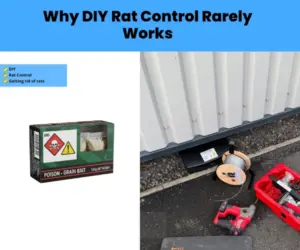
Safe Use Of Rat Poison
Although rodenticides are effective, they must be handled with care due to the risk they pose to pets and humans if accidentally ingested. Always:
- Keep poisons out of the reach of children and pets
- Wear gloves during handling and application
- Follow manufacturer’s instructions carefully
Natural Methods for Repelling Rats
Types Of Natural Repellents
Some non-toxic options may help deter rats, including:
- Peppermint oil (rats dislike strong smells)
- Ultrasonic devices producing high-frequency sound waves
- Predator urine (e.g., fox or coyote)
Applying Natural Repellents
The method of application varies depending on the product used:
- Oils typically need to be diluted before being applied to affected areas
- Devices should be installed according to manufacturer instructions
- Predator scents can be distributed around the perimeter of the property
Professional Rat Control Services

In situations where infestations are severe, professional assistance may be required to effectively manage the problem.
When to Seek Professional Help
If rat activity continues despite your efforts, or if the infestation becomes more severe, it is advisable to contact a qualified pest control specialist.
What To Expect From A Professional Service
Professional pest control providers usually carry out thorough inspections to identify infestation sites and entry points, followed by a structured treatment plan that may include:
- Customised control strategies
- Regular follow-ups
- Advice for future prevention
Long-Term Strategies for Rat Control

Maintaining a rat-free environment requires ongoing effort and consistent preventative practices.
Routine Inspection and Maintenance
Regular inspections allow for early detection and quick intervention. Ongoing maintenance involves:
- Keeping properties clean and free from clutter
- Ensuring waste is properly managed and disposed of
- Sealing any potential entry points
Community Participation in Rat Control
Rat control becomes more effective when communities work together. When individuals collectively follow preventative practices, it reduces the likelihood of rats establishing suitable habitats within the area.
Common Myths And Misconceptions About Rats

Myths about rats, like those about any other animal, often lead to misconceptions that affect how we treat them.
Dispelling Common Rat Myths
Some widely believed myths include:
- The idea that cheese is a rat’s preferred food (they are actually more attracted to grains, fruits, and meats)
- The belief that all rats carry diseases (only certain species are known carriers)
- The assumption that rats have poor eyesight (they actually possess strong night vision)
Facts About Rats
In reality, rats are highly adaptable animals capable of surviving in a wide variety of environments. They are intelligent and social creatures, which can make them particularly challenging to control once established.
Technological Developments in Rat Control

Recent innovations have significantly improved the efficiency and humaneness of rat control methods.
Smart Traps and Monitoring Systems
IoT-enabled systems now allow real-time monitoring of rat activity. These technologies can:
- Capture images for identifying rodents
- Monitor bait levels within traps or stations
- Send alerts directly to pest control professionals
Data-Driven Pest Control
With the integration of data analytics and artificial intelligence, pest control strategies can now:
- Predict potential infestations before they occur
- Improve bait placement and deployment strategies
- Deliver more precise and targeted control solutions
Environmental Considerations in Rat Control

It is important to consider the environmental impact of control methods while managing rat populations effectively.
Environmentally Friendly Control Methods
Integrated Pest Management (IPM) approaches focus on:
- Using non-toxic alternatives wherever possible
- Reducing reliance on chemical pesticides
- Incorporating biological control techniques
Balancing Effectiveness with Sustainability
The challenge lies in achieving effective rat control while minimising environmental harm. This often involves combining multiple approaches and continuing to develop more sustainable solutions.
Conclusion: The Importance of Consistent Rat Control

Summary of Rat Control Approaches
Effective rat management involves a combination of preventative and active control measures, including:
- Proper waste management
- Sealing off entry points
- Keeping food stored securely
- Using traps, poisons, and natural repellents appropriately
- Seeking professional help when needed
The Need for Ongoing Control Efforts
Rat control is not a one-time task but an ongoing process that requires:
- Regular inspections and maintenance
- Community participation
- Staying informed about the latest control methods and technologies
By remaining proactive and attentive, it is possible to create environments that are less attractive to rats, supporting safer and healthier living and working conditions.
Frequently Asked Questions
Are all rats disease carriers?
No, not all species of rats are known to carry diseases, but certain ones like the brown rat and black rat can potentially spread numerous diseases.
What is the best food bait for a rat trap?
While specific preferences may vary depending on species, many experts recommend using fresh fruit, nuts, or peanut butter as bait in traps due to their strong smell and high caloric content.
How often should I check my traps/poisons?
This would largely depend upon the severity of the infestation; however, generally checking every 2-3 days helps monitor progress while replacing used/expired baits/poisons if necessary.
Is it safe for me/my pets around poisons/traps?
Safety always depends upon proper usage/handling. Follow instructions provided by the manufacturer carefully, especially when dealing with poisons. Keep traps and baits out of the reach of children and pets.
When do I know it’s time to call professionals?
If despite your efforts, signs persist or worsen, indicating a larger infestation than anticipated, that would be the perfect time to seek professional assistance.
How long does it typically take to eliminate a rat infestation?
The time frame can vary depending on the severity of the infestation and the methods used. It can take anywhere from a few weeks to several months for complete eradication.
Are there any eco-friendly methods for rat control?
Yes, there are several eco-friendly methods including ultrasonic repellents, natural predator scents, and non-toxic traps. However, their effectiveness may vary depending on the situation.
What should I do if I see a rat in my home or business?
Stay calm, try to identify where it came from, and immediately contact a pest control professional. In the meantime, seal off the area if possible and remove any easily accessible food sources.
By understanding these aspects of rat control and implementing a comprehensive strategy, you can effectively manage and prevent rat infestations, ensuring a safer and healthier environment.


 Rats are naturally wary animals. For many homeowners in Leeds, by the time their presence becomes noticeable, an infestation is often already well established. Brown rats — Rattus norvegicus, the most common species across the UK — are mainly active at night, typically travelling along walls, beneath floors, and through hidden voids. They rarely enter open spaces unless increasing population levels force them out.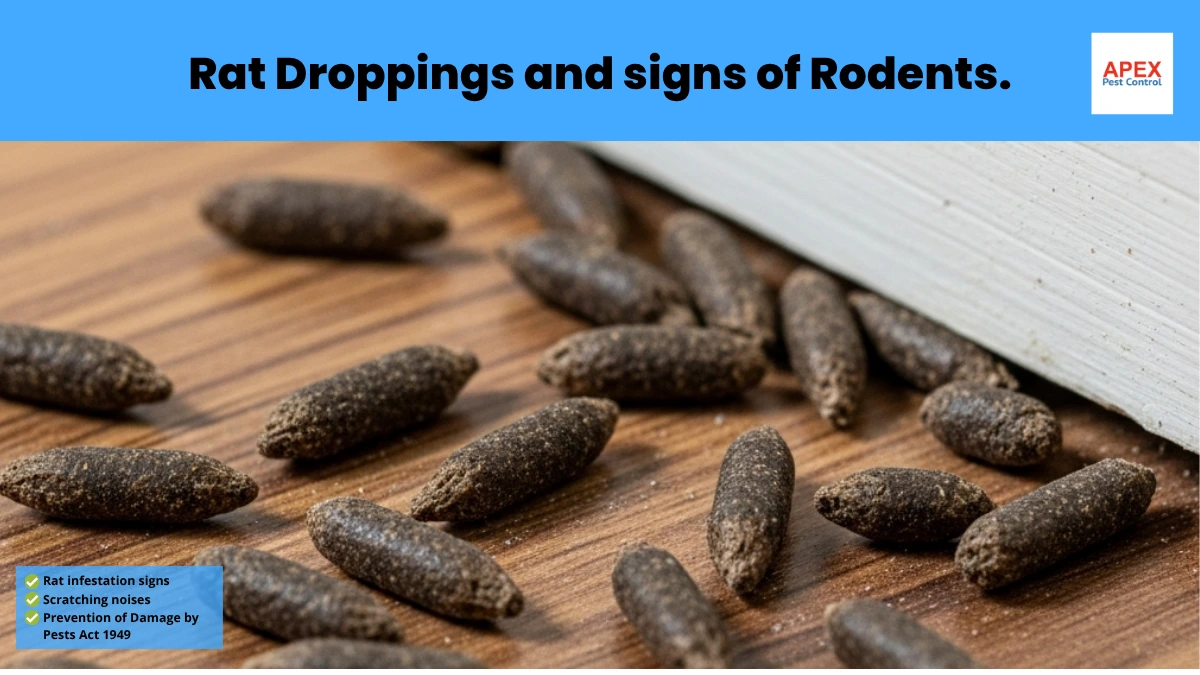













 Apex Pest Control