Professional Rat Removal

Professional Rat Removal: 5 Skilled Methods for a Home Free of Rats
Professional Rat Removal

Rats are more than simply a bother; they may seriously harm property and present serious health hazards. By fusing knowledge with cutting-edge methods, professional rat removal services provide an efficient answer to these issues. A thorough guide to comprehending and controlling rat infestations using expert assistance is given in this post.

Professional Rat Removal’s Significance
The Importance of Professional Rat Removal

Health Hazards Linked to Rat Infestation

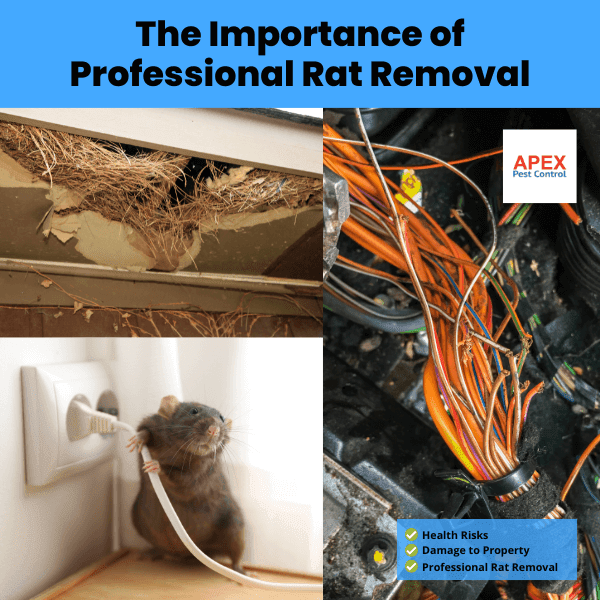
Leptospirosis, Salmonella, and Hantavirus Pulmonary Syndrome (HPS) are among the illnesses that rats carry that can be extremely harmful to human health. Not only do rats harbour bacteria and viruses that cause disease through their saliva, urine, or droppings, but they also serve as hosts for fleas and ticks that can spread infections indirectly.

Rats Causing Property Damage

Rats are destructive because they are always gnawing. Furniture and wiring systems may be destroyed, which could result in hazardous electrical issues. In the long run, these issues may lead to expensive repairs or possibly structural instability.

Experts’ Role to Efficient Rat Removal

Expert exterminators know how to see the telltale indicators of rat activity and know how to apply control techniques that minimise risk exposure. This makes them useful for quickly managing rat populations.

Recognising a Rat Infestation
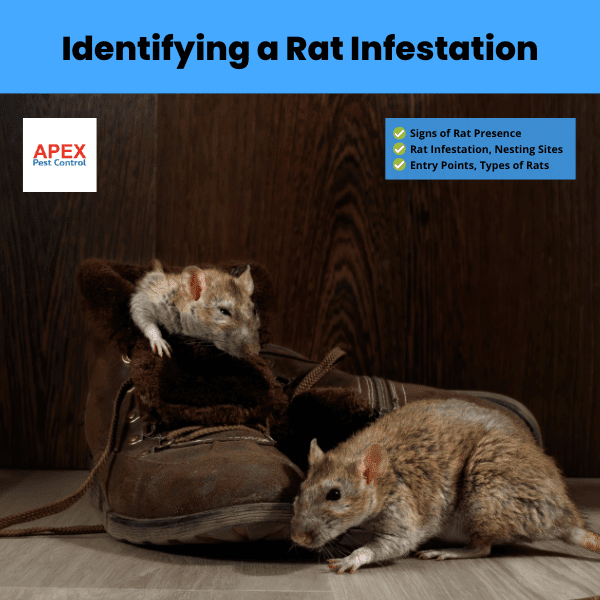
Identifying a Rat Infestation

Rat Presence Indications

Rats can be identified by their droppings, noises like scratching inside walls, chewed food packaging, and destroyed buildings that show signs of digging and nesting. A high rodent population in the area is frequently linked to a bad smell.

Typical Locations for Rat Hideouts

In warm, isolated locations like as crawl spaces, basements, attics, behind appliances, under porches, under walls, and occasionally even in cars that are left unattended for extended periods of time, rats typically build their nests.

Rat Infestation Risks of Ignoring It

Property damage might become much more severe if it is not addressed right away. A serious health risk to anyone who live or work there is the potential for infection to spread through contaminated surfaces and direct contact with urine and excrement.

How Professional Rat Removal Is Done
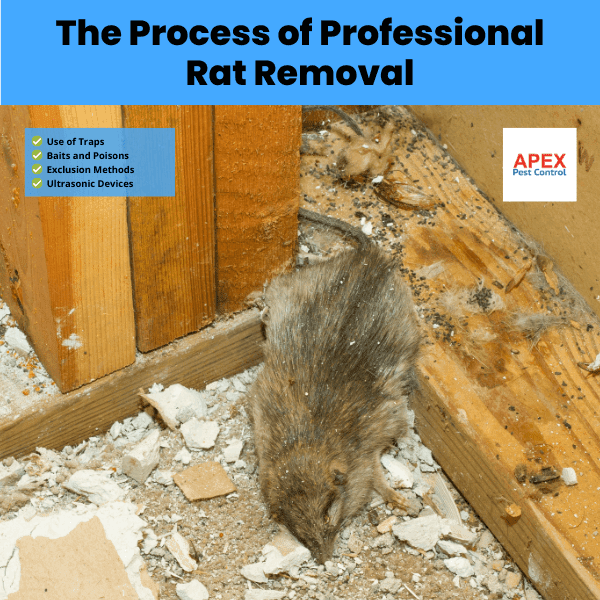
The Process of Professional Rat Removal

Initial Inspection and Assessment

In order to decide on the best line of action, experts first perform a comprehensive investigation to evaluate the degree of the infestation.

Creating a Removal Strategy

A removal plan is created based on the results, which includes tactics for setting traps, using bait, and using exclusion techniques if needed.

Implementing the Removal Strategy

Professionals carefully carry out the strategy when it has been established, making sure that every rat is found and eliminated from the property.

Cleanup and Sanitation After Removal

Following the removal of every rat, the area is sanitised and any remaining infestation remains are destroyed. This lessens the possibility of health problems brought on by rodent urine or droppings.

Methods Professionals Employ to Get Rid of Rats
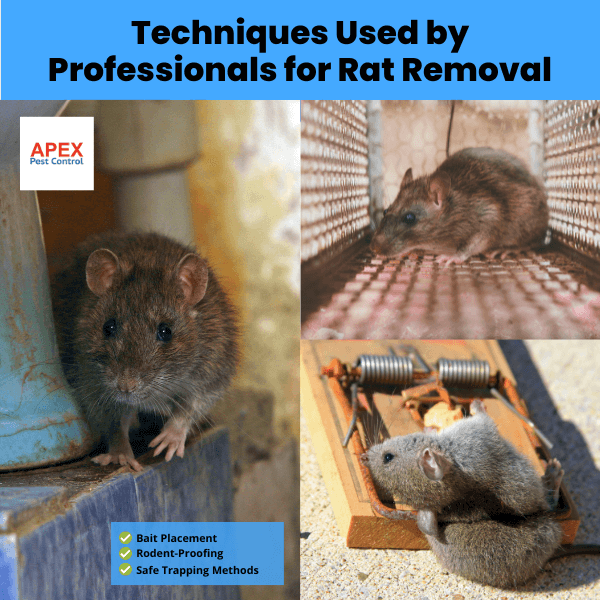
Techniques Used by Professionals for Rat Removal

Employing Traps

Because they work so well, traps are frequently used. Snap traps, live capture traps, and adhesive boards are among the varieties; each is appropriate for a certain situation.

Utilising Poisons and Baits

Experts may also employ poison-laced baits that are positioned carefully to draw rats.

Employing Exclusionary Techniques

Making changes to the area around your property to keep rats from returning after they have left is known as an exclusion strategy.

Utilising Ultrasonic Equipment

Rats are repelled from regions where these devices are installed by the disagreeable frequencies they emit.

The Advantages of Using a Skilled Rat Removal Company
The Benefits of Hiring a Professional Rat Removal Service

Knowledge and Experience

Experts in rat removal contribute a wealth of expertise on rat behaviour and removal methods, guaranteeing a comprehensive and effective work.

Protection of Health and Safety

These professionals closely adhere to safety procedures because managing pests entails the possibility of chemical exposure and disease transmission, which lowers potential risks.

Prevention and Long-Term Solutions

The fact that experts provide all-inclusive remedies that not only solve the present issue but also aid in preventing infestations in the future is a significant benefit of working with them.

Selecting a Trustworthy Rat Removal Company

Choosing a Reliable Rat Removal Service

Things to Take Into Account When Employing a Professional

Examine the provider’s background, standing in the market, price, level of service, and client testimonials, among other things.

Questions to Pose to Possible Service Suppliers

Never be afraid to enquire about their procedures, strategies, guarantees, and prior client experiences.

Licensed and Insured Services Are Important

Make sure the selected supplier has insurance and a licence so that they are held accountable for any harm or damage.

Professional Rat Removal Costs

Cost of Professional Rat Removal

Cost-Related Factors

The ultimate cost is influenced by the size of the property, the location, and the extent of the infestation.

Average Price Range

The majority of professional services cost between $200 and $600, based on the previously listed variables.

Value for Money

Even though it could appear expensive at first, hiring specialists usually has more advantages than disadvantages when taking into account the possible health and property harm that come with do-it-yourself fixes.

What to Do Following Expert Rat Extermination?
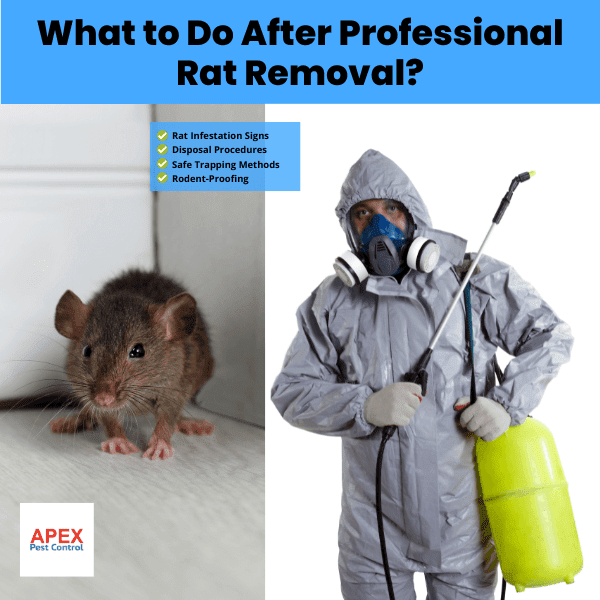
What to Do After Professional Rat Removal

How to Avoid Infestations in the Future

Rodent-proof your house by caulking gaps and crevices, clearing up clutter, and conducting routine rodent inspections.

The Value of Frequent Inspections

To maintain a rodent-free environment and identify any new activity early, routine inspections are essential.

When to Make Another Call to the Experts

It’s time to call the experts once more if you see signs of a re-infestation or if preventative measures aren’t functioning.

Case Studies of Successful Professional Rat Removal
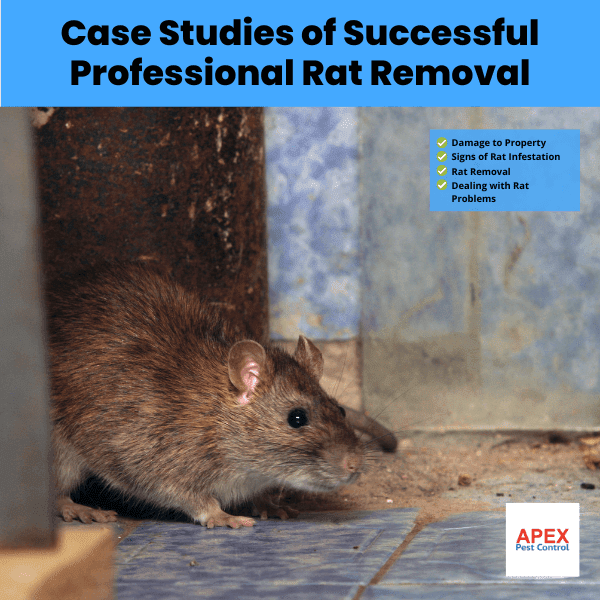
Case Studies of Successful Professional Rat Removal

Removal of Rats from Residential Areas

In one case, employing a mix of traps, baits, and routine monitoring, a residential building with a widespread infestation was eradicated in a matter of days.

Commercial Rat Removal

A restaurant suffered significant losses as a result of ongoing nibbling on its culinary equipment and wiring. Hiring a professional pest control service fixed the issue.

Removal of Rats from Public Areas

In another instance, a city park that had become a rat breeding ground was able to restore its allure as a public area following extensive cleaning and exclusion strategies employed by a nearby pest management company.

Concluding Remarks on Expert Rat Removal

Summary of the Benefits and Significance

Compared to attempting to solve the situation yourself, hiring professionals to handle rat problems guarantees an efficient solution with lower risk. Additionally, it gives comfort to know that professionals are handling it.

Urging Proactive Measures to Combat Rat Infestations

The secret to solving rat problems is to be proactive. Avoid waiting for a little issue to grow into a major one.

Last Words of Advice on Handling Rat Issues

Make sure preventive measures are implemented, routine inspections are conducted, and professionals are contacted as soon as an infestation is suspected.

Frequently Asked Questions

What is the most common method used for professional rat removal?

Traps baited with food or poison are commonly used, but it depends on the situation’s severity.

How much does professional rat removal usually cost?

The average range is £200-£600, depending on factors like the severity of the infestation and the size of the property.

How can I prevent future rat infestations?

Regular inspections, sealing potential entry points, and cleanliness help prevent future issues.

Will the chemicals used be safe for my pets and children?

Any chemical usage will be communicated to you beforehand. Professionals take adequate safety measures to ensure minimal risk.

Rodent Exterminators

Rodent Exterminators

Understanding Rat Control: The Crucial Guide for Expert Rodent Extermination Services

Effective rodent control techniques are necessary because rats and other rodents represent serious risks to property and human health. In order to effectively handle these pest issues through effective pest control and eradication techniques, professional rodent exterminators are essential. This thorough guide explores the world of exterminators, their crucial functions, and the state-of-the-art methods they use to protect our towns and homes from rat infestations.

Discover our detailed guide on effective DIY rat control methods for safe and successful rodent management at home.

Exterminators’ Role in Rodent Control

First, let’s review the fundamentals of what an exterminator is. A specialist in getting rid of pests and rodents from buildings and other structures is known as an exterminator. They are skilled professionals with the know-how, equipment, and methods necessary to successfully manage various pests.

Exterminators examine homes or businesses for indications of infestation as part of their tasks and obligations. This entails identifying rodents, detecting pests, and comprehending their feeding habits and capacity for reproduction. After obtaining this vital information, they plan ways to manage or get rid of these unwanted visitors while maintaining safety precautions.

Knowing the Knowledge Needed

Exterminators must complete demanding certification and training programs. Their proficiency in rodent extermination extends beyond application; they also comprehend the characteristics of pests, including defensive mechanisms and aggressive tendencies. This makes it possible for them to successfully customise remedies, which is necessary for both long-lasting rodent solutions and successful rodent prevention.

The importance of Exterminators in the Eradication of Rodents

Because they can spread diseases that are hazardous to humans, rodents present serious health threats. Among the major health risks that exterminators assist in reducing are rodent-borne diseases, such as hantavirus. Additionally, rodent infestations include contamination indicators such as rat droppings, which need to be handled carefully, as well as diseases linked to pests.

Another issue is rodent-induced property damage. Rats, for example, can be major rodent risks to infrastructure due to their gnawing behaviours, and termites alone cost households billions of dollars every year. By using cutting-edge pest management techniques created especially based on recognised insect activity patterns, exterminators play a critical role in this situation.

The Method of Eliminating Rodents

The Process of Rodent Extermination

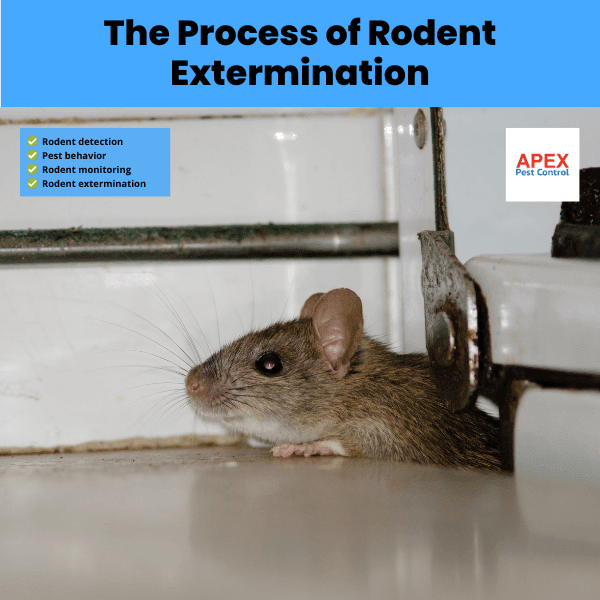
The first step in extermination is rat identification during comprehensive inspections, where experts use evidence like droppings, pest waste, and other contamination indicators to identify pests, including rodents, that are present within the building. To decide which treatment approach would be most successful given current rodent problems, they evaluated the extent of the infestation. The creation and implementation of a customised strategy to deal with rodent issues comes next. Last but not least, follow-up care guarantees that pests have been completely eradicated and cannot reappear.

Crucial Steps for Successful Extermination

  • Thorough Inspection: A meticulous walkthrough for rodent detection and lifecycle stage assessment.
  • Assessment and Planning: Developing a customised action plan, considering the infestation control level and environmental factors.
  • Treatment Application: Utilising chemical or non-chemical methods for efficient rodent solutions tailored to specific species identification.
  • Monitoring and Follow-up: Ensuring rodent eradication has been successful and implementing preventive measures to get rid of rodents permanently.

Pest Types Exterminators Handle

Insects

Ants, cockroaches, and bed bugs are common invaders, causing nuisances if left uncontrolled and requiring pest services tailored to pest-related diseases.

Rodents

Rodents like rats and mice cause extensive damage due to gnawing and their reproductive potential, spreading diseases and contaminating food sources.

Wildlife

Creatures such as racoons and squirrels pose their own unique challenges, requiring specialised removal techniques by pest professionals.

Equipment and Methods Employed by Rodent Exterminators

Chemical Methods

This involves using pesticides, insecticides, rodenticides, and other toxic substances for rodent extermination. Though effective, it is crucial these methods are applied safely under guidance from pest professionals.

Non-Chemical Methods

These include trapping, exclusion, and mechanical devices preferred for their lower environmental impact and fewer health risks to humans and pets. Employing strategy-driven methods ensures defence mechanisms rodents use are effectively neutralised.

Innovative Technologies in Pest Control

Recent technological advancements, such as the use of drones for rodent detection and monitoring, alongside AI-powered species identification systems, are revolutionising pest management, improving both accuracy and efficiency in addressing rodent lifecycle and feeding behaviour issues.

Safety Measures in Rodent Extermination

Safety measures form a vital component of any rodent extermination process, ensuring the well-being during and post-treatment. Protective equipment, proper handling of chemicals, and post-treatment cleanup are a few safety measures pest professionals usually adopt, especially considering the disease risks and health dangers involved.

How to Pick a Trustworthy Rodent Exterminator

Checking credentials and certificates assures you are dealing with a certified individual that adheres to industry norms and practises. To evaluate the reputation of the pest control company, it’s critical to search for reviews and comments from prior customers. Verifying whether the benefit and cost of appropriate rodent management are comparable can be accomplished by comparing pest control services and costs.

The Future of Rodent Extermination

The Future of Rodent Extermination

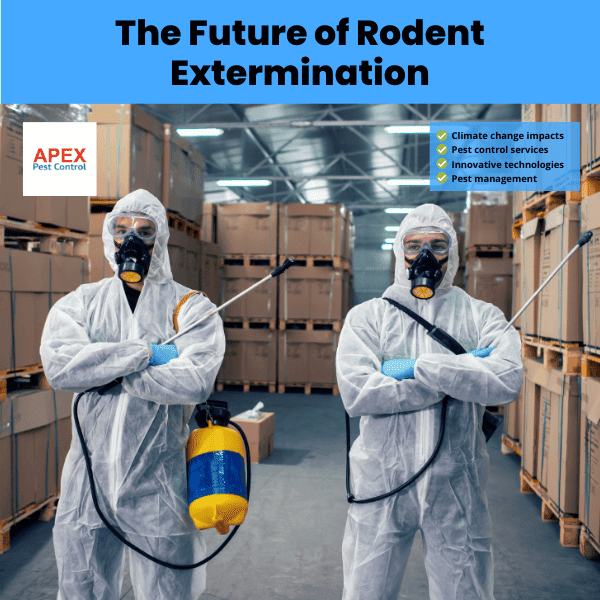
Pest infestations are becoming more common due to technological developments in pest control as well as the effects of climate change on rodent lifecycles and species growth. The requirement for qualified exterminators who can create effective rodent control solutions that adjust to these changes is highlighted by the increase in rodents’ capacity for reproduction. 

Conclusion

Exterminating rodents is not only convenient; it is also necessary to protect our property and health from rodent hazards. The need for expert exterminators to get rid of rodents will continue as long as they are an issue. Since prevention is always preferable to treatment, we must continue to be vigilant and knowledgeable about potential dangers like rodents that may be hiding in our surroundings.

Frequently Asked Questions

What do exterminators do?

Exterminators inspect premises for signs of pest infestation, identify the types of pests present, assess infestation levels, and devise a plan to eliminate rodents using chemical or non-chemical methods.

Why are exterminators important?

Exterminators mitigate health risks posed by rodents and pests. They also protect property from significant damage due to unchecked rodent activity.

How does one choose a reliable rodent exterminator?

Look for credentials and certifications. Read reviews and compare pest services among providers to ensure you receive effective rodent solutions.

What is the future outlook on rodent extermination?

The field will continue to evolve with technological advancements in pest control techniques. Climate change impacts highlight how pest management evolves in response, making exterminators critical for dealing with pest and rodent infestations.