
Signs of a Squirrel Infestation: How to Identify Problems Early
Infestations of squirrels frequently begin undetected—until the overhead noise becomes indiscernible. Grey squirrels are nimble and tenacious; they nest in attics, lofts, wall cavities, and roof spaces, taking advantage of even the smallest flaws in a property.
Why? Buildings become the perfect environment for squirrels because they provide warmth, protection from predators, and consistent food supplies.
Early detection of an infestation protects your property, minimises damage, and prevents expensive repairs. Unchecked squirrels can cause fire dangers, rip insulation, and gnaw wiring. A small amount of scrambling can turn into thousands of pounds of electrical and structural damage.
Homeowners and property managers in the UK can learn from this guide what draws squirrels indoors, how to spot infestation symptoms, and when to hire a professional pest control company
What Draws Squirrels to Houses?
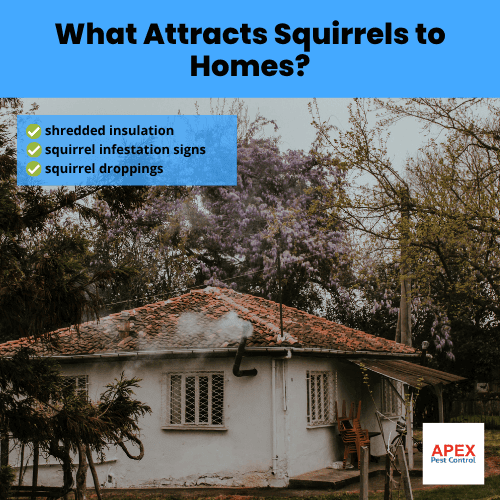
Squirrels don’t just happen to move in. Their nesting habits stem from their need for food, cover, and trees. Your property may become prime territory if it meets certain requirements.
1. Proximity to Trees
Tall trees like oak, maple, and pine serve as launchpads. If branches touch or overhang your roof, squirrels can leap directly onto your home. They typically build nests within 500 feet of a food source—trees that provide both access and nutrition.
2. Accessible Attic or Loft Space
Lofts and crawlspaces mimic hollowed tree cavities—perfect for bedding and protection. Squirrels favour insulation, cardboard, and fabric to build nests. One female may create multiple nests, especially during the breeding season.
3. Unsealed Roof Gaps and Vents
With flexible bones and sharp claws, squirrels squeeze through openings as small as 1.5 inches. Common entry points include:
- Chimneys without caps
- Roofline gaps
- Vents
- Soffits and fascia boards
They’ll also gnaw through soft materials to widen access.
4. Readily Available Food Sources
Squirrels return to where food is consistent:
- Bird feeders (especially sunflower seeds and suet)
- Outdoor pet food
- Compost bins and unsecured waste
- Warmth from attic heating
Reduce these lures, and you make your home far less appealing.
Top 10 Squirrel Infestation Signs
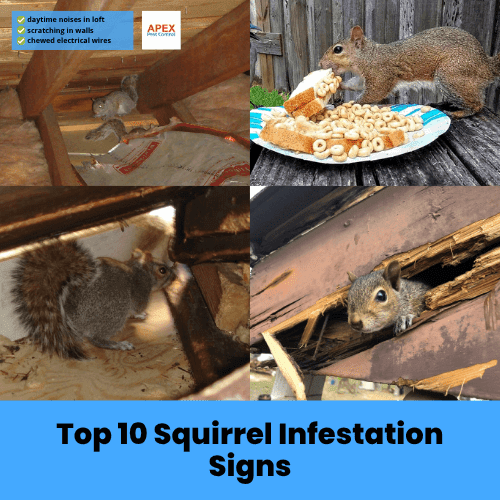
1. Daytime Noises in the Loft or Walls
Squirrels are active during the day. You may hear scratching, scampering, or thuds—especially at dawn and dusk. Unlike nocturnal pests like rats, their daylight activity is a key clue.
2. Chewed Wiring and Damaged Insulation
Squirrels gnaw constantly to wear down incisors. Exposed electrical wires, shredded loft insulation, or displaced materials often point to an active nest.
3. Droppings and Odour
Squirrel droppings resemble rat faeces but tend to be rounder and about ⅜ inch long. Accumulated urine produces a strong ammonia smell, especially in enclosed attic corners.
4. Visible Roof or Exterior Entry Points
Check for:
- Chew marks on fascia boards or shingles
- Holes (roughly 2 inches in diameter)
- Frayed roofing or soffits
- These are common routes into roof spaces.
5. Nesting Debris
Inside lofts or crawlspaces, nests made from leaves, paper and insulation often appear in corners, near heat sources, or hidden in wall voids.
6. Daylight Scratching Sounds
The rhythm of movement—short bursts followed by silence—often signals daytime activity. Squirrel presence is confirmed if this occurs regularly.
7. Damaged Chimney Caps or Vents
Signs include:
- Torn metal screens
- Bent or missing vent covers
- Debris near flue openings
These are critical weak spots for entry.
8. Grease Marks or Tracks
Repeated movement leaves footprints and fur streaks. Look for marks along wooden beams, rafters or baseboards—especially where squirrels access nesting spots.
9. Squirrel Sightings Around Roofline
Frequent sightings of squirrels carrying nesting materials near vents or utility lines usually indicate nearby nesting activity.
10. Chewed Timber or Stored Items
In garages, sheds, or attics, look for gnawed furniture, boxes, or beams. Squirrels chew both structural and stored materials.
Squirrel Infestation: How Much Does It Actually Cost?
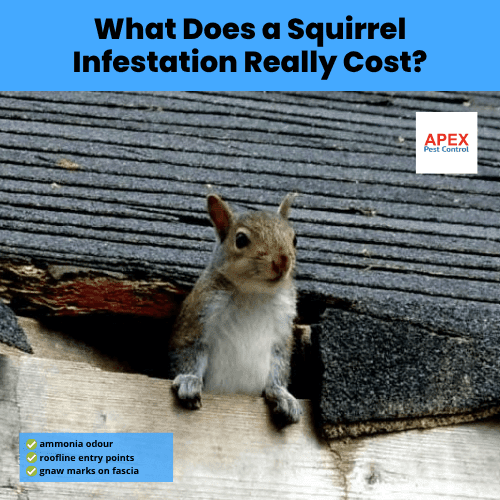
Ignoring the signs leads to significant damage—both financial and structural.
| Area Affected | Potential Cost |
|---|---|
| Rewiring loft space | £1,500–£10,000 |
| Insulation replacement | £1,000–£2,500 |
| Roof leak repairs | £800–£3,000 |
| Pest control services | £150–£500 |
| Total damage (severe cases) | £15,000+ |
Squirrels gnaw:
- Wood beams
- Fascia boards
- Insulation
- PVC piping
They also damage ducting, vapour barriers, and even drywall—turning your attic into a construction site.
Fire Hazards from Chewed Wires
Chewed cables expose copper wiring, which risks short-circuiting. According to the National Fire Protection Association (NFPA), rodents are a cause of thousands of annual house fires—many starting in attics.
Roof Rot and Water Leaks
When squirrels create access points, rainwater follows. Damp insulation loses its R-value, wood joists rot, and leaks spread into ceilings and walls—resulting in mould and structural decay.
Health Hazards
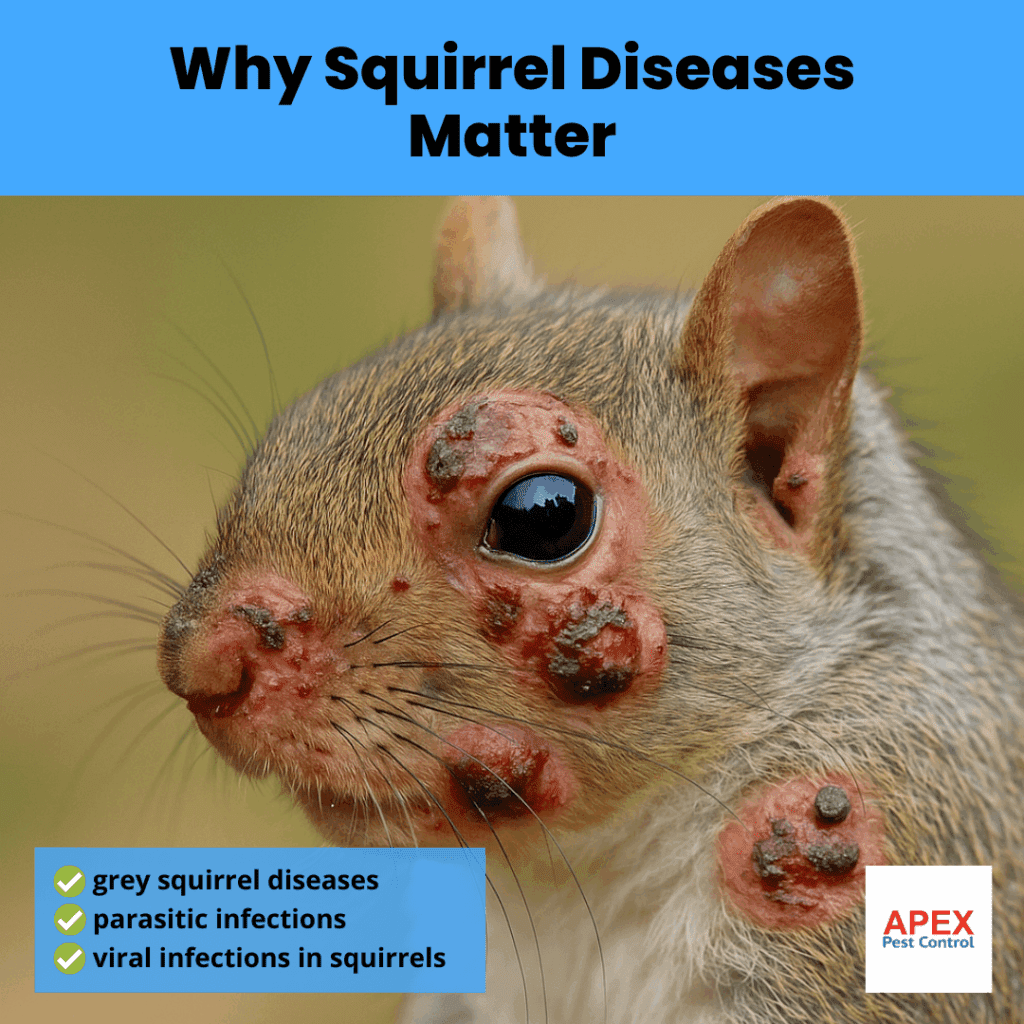
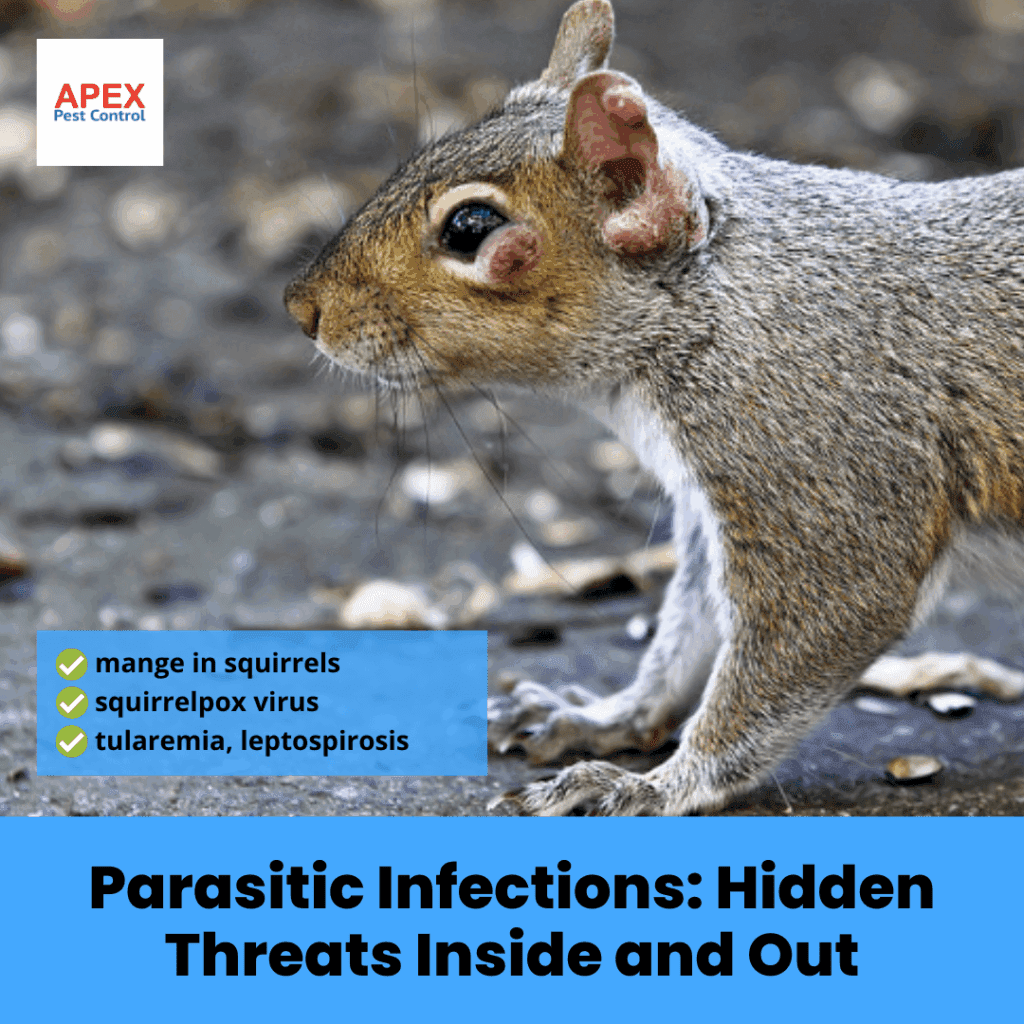
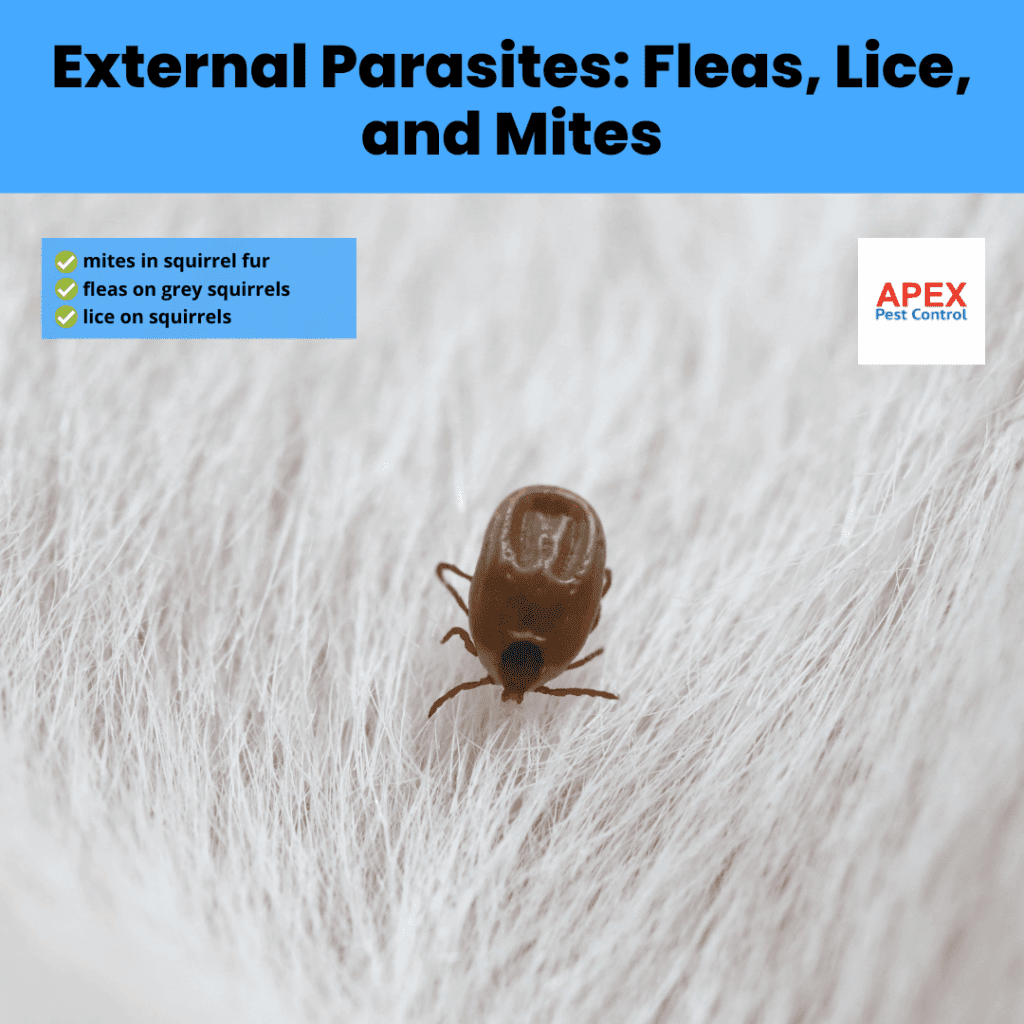
Accumulated faeces and urine carry allergens, mites, and parasites. Airborne contaminants can spread through HVAC systems, aggravating respiratory conditions such as asthma.
DIY vs. Professional Squirrel Removal
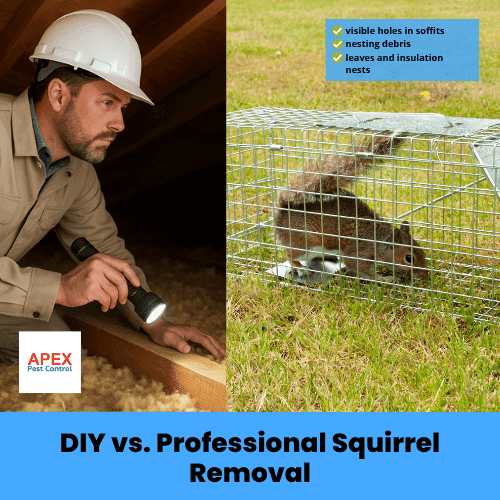
DIY Limitations
- Hard-to-Find Entry Points: Squirrels use hidden routes—behind fascias, vents or gables.
- Legal Restrictions: UK law protects certain wildlife. Grey squirrels can be humanely dispatched but not relocated. Always verify local legislation.
- Lack of Tools: Thermal imaging, cameras, and rodent-proof sealing materials are rarely part of a DIY toolkit.
Why Hire a Pest Control Expert
- Accurate Identification: Professionals assess nest sites, droppings, and entry points.
- Safe, Legal Removal: Humane, licensed trapping methods are used.
- Entry Point Sealing: Materials like galvanised mesh and metal flashing are applied to prevent re-entry.
- Long-Term Prevention: Follow-up visits, deterrent installation, and expert advice reduce future risks.
Ways to Stop Squirrel Infestations
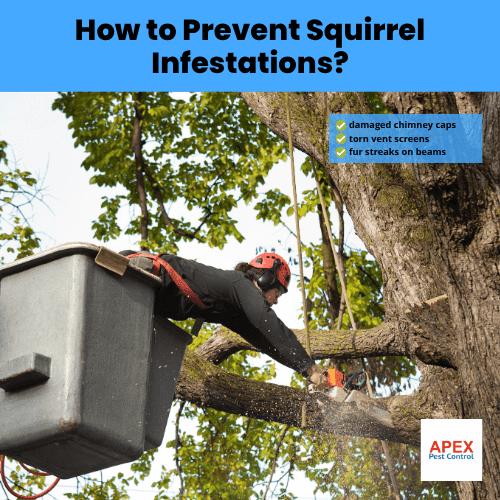
1. Trim Trees and Clear Roof Access
- Cut back branches at least 10 feet from the house.
- Prune shrubs near walls.
- Avoid dense planting around the foundations.
2. Seal Entry Points
- Check vents, eaves, and soffits for holes or rot.
- Use steel mesh and metal flashing—squirrels chew through wood and plastic.
- Conduct inspections each spring and autumn.
3. Remove Food Lures
- Store birdseed and pet food in chew-proof containers.
- Secure compost bins and outdoor waste.
- Clean BBQs and outdoor eating areas.
4. Protect Chimneys and Vents
- Install chimney caps that allow airflow but block animal access.
- Fit metal covers on bathroom and dryer vents.
- Replace any worn or rusted barriers promptly.
When Should You Hire a Pest Control Expert?
You should seek help if:
- Multiple signs (chewing, noise, droppings) appear at one
- DIY attempts haven’t stopped the activity
- Nesting materials or young squirrels are found
- Daytime squirrel activity is consistent near your roof
- You’re unsure if it’s squirrels or another pest
FAQs: Squirrel Infestation in UK Homes
Infestations of squirrels can seriously disrupt and destroy homes in the UK, particularly at specific seasons of the year. The most often asked questions concerning squirrel issues are addressed below, along with information that complies entirely with current UK pest control regulations and industry best practices.
When Are Squirrel Infestations Most Common?
Squirrel infestations in UK homes are most frequent during late autumn and early spring. These are the peak nesting periods for Eastern grey squirrels (Sciurus carolinensis), when they actively seek out sheltered environments—such as lofts and attics—to rear their young and escape colder weather.
Can Squirrels Damage Loft Insulation?
Yes. Squirrels frequently shred loft insulation materials, including mineral wool and fibreglass, to build their nests. This behaviour destroys the insulation’s structure and compresses it, reducing your home’s energy efficiency and potentially increasing heating costs.
Do Squirrels Pose a Fire Risk?
Absolutely. Squirrels are known to gnaw on electrical wiring, stripping away the protective coating and exposing live wires. This significantly increases the risk of electrical fires within loft spaces and wall cavities. If you suspect squirrel activity, it’s important to have your wiring inspected by a qualified electrician.
How Do I Know If It’s Squirrels and Not Rats?
- Squirrels are diurnal (active during the day) and leave rounded droppings.
- Rats are nocturnal (active at night) and leave spindle-shaped droppings.
- Correct identification is crucial for effective pest control, as treatment methods differ for each species.
Is It Legal to Remove Squirrels in the UK?
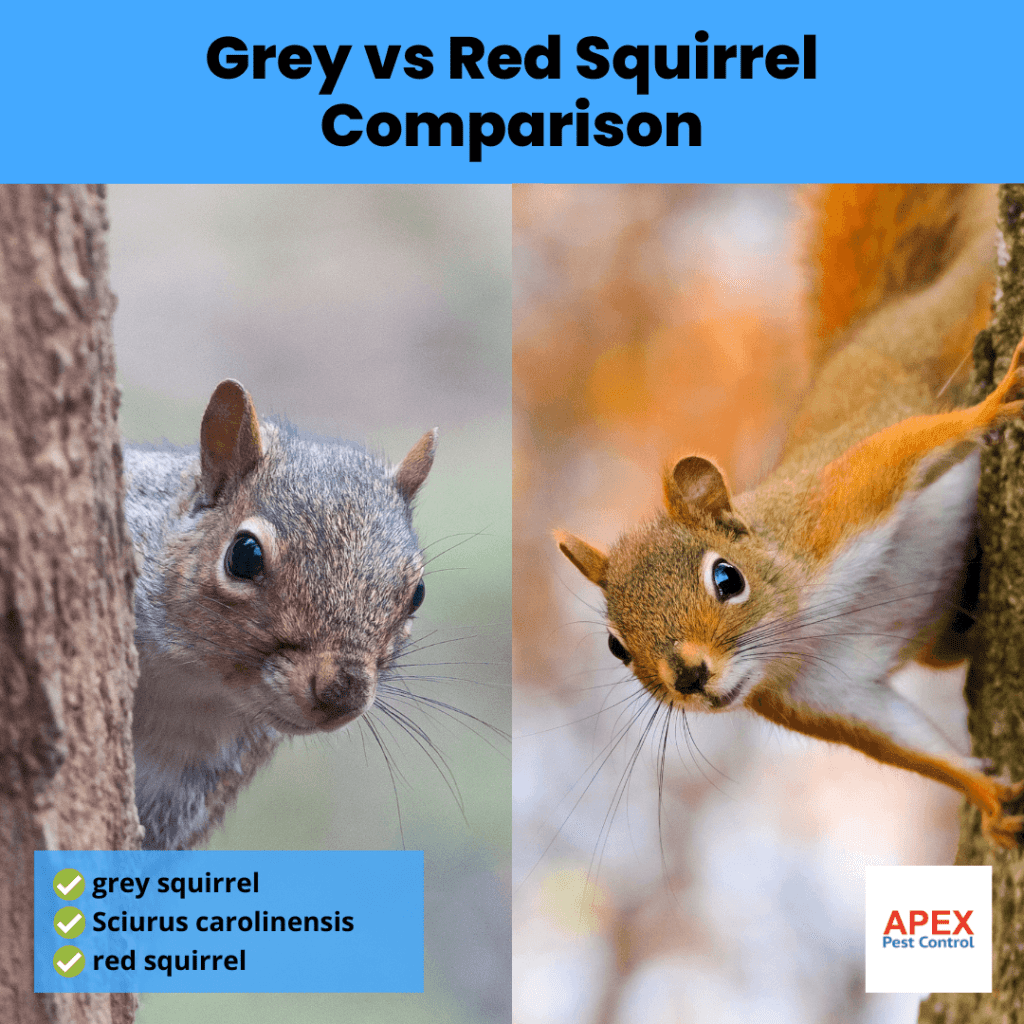
Grey Squirrels: Under the Wildlife and Countryside Act 1981 and the Invasive Alien Species (Enforcement and Permitting) Order 2019, it is illegal to release a captured grey squirrel back into the wild.
They must be dispatched humanely, following UK pest control regulations. Only trained individuals should carry out humane dispatch, and it is strongly advised to use a professional pest controller.
Red Squirrels: Red squirrels are a protected species and must not be harmed under any circumstances.
What Should I Do If I Suspect a Squirrel Infestation?
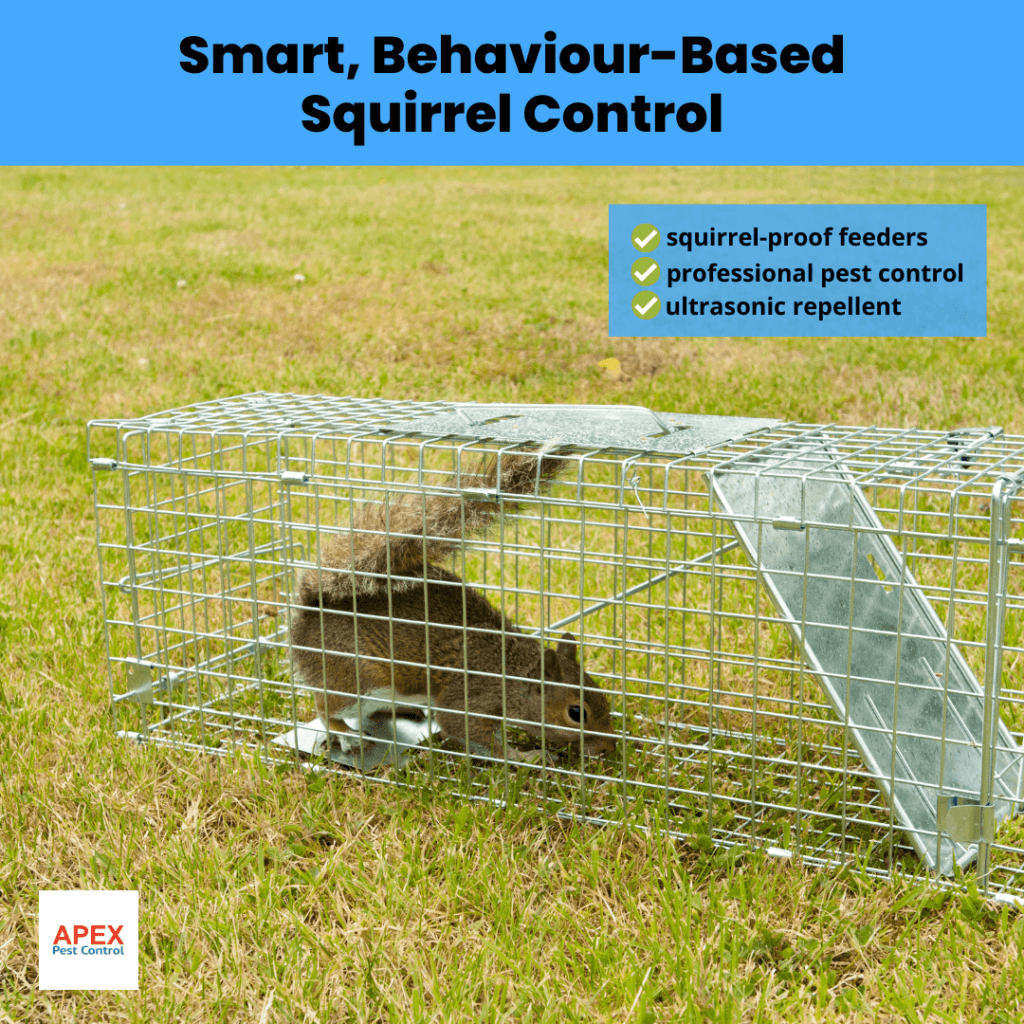
Do not attempt to trap or dispatch squirrels yourself unless you are trained and understand the legal requirements.
Contact a qualified pest control technician—preferably BPCA or RSPH certified—for a professional assessment and compliant treatment.
Ensure all entry points are sealed after removal to prevent future infestations.
Why Choose a Professional?
Professional pest controllers:
- Are trained in humane and legal squirrel control methods
- Hold appropriate licences and insurance
- Follow Health & Safety Executive (HSE) guidelines
- Provide advice on preventing future infestations
Speak to a qualified technician today for safe, legal, and effective squirrel control.
Prevent Squirrel Damage to Your South Yorkshire Property
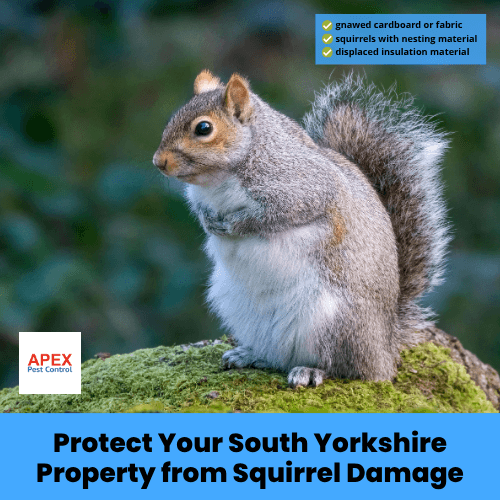
Despite their diminutive size, squirrels do a great deal of harm. It’s time to take action if you’ve spotted indicators like droppings in attic corners, chewed wiring, or disturbances in the loft during the day. In the long term, prompt action not only stops additional damage but also saves money and stress.
Expert squirrel removal services are what we at Apex Pest Control offer throughout South Yorkshire. Our certified professionals locate entry locations, carefully eradicate infestations, and put long-term preventative measures in place that are specific to your house.
Avoid waiting for the harm to worsen.
Make an appointment for your inspection with Apex Pest Control right now to protect your house or place of business against squirrel infestations.



 Apex Pest Control