Squirrel Damage Repair

Repairing Squirrel Damage

A Complete Guide to Repairing and Preventing Squirrel Damage in Your Home

image.png

Have you been hearing scratching or scurrying sounds in your loft during the early morning? Grey squirrels may have found their way inside. As an invasive species, they can cause serious damage to homes throughout the UK by chewing electrical cables, nesting within insulation, and disturbing gardens. Without prompt action, their activity can create fire hazards, weaken structural elements, and introduce health risks, resulting in repair costs that can range from a few hundred pounds to many thousands.

This guide outlines how to identify signs of squirrel activity, repair the damage they leave behind, and protect your property using practical DIY techniques or professional pest control services. Dealing with the problem promptly helps safeguard your home while contributing

Recognising Signs of Squirrel Activity

spotting squirrel trouble

Spotting evidence of grey squirrels at an early stage can reduce the likelihood of costly property damage. The following indicators can help confirm an infestation.

Typical Signs of Grey Squirrels

  • Noises: Scratching, scampering, or gnawing sounds coming from lofts or wall cavities, most commonly around dawn and dusk.
  • Droppings: Larger, more rounded than rat droppings, often with a noticeable bulge in the centre, typically found in loft spaces or around gardens.
  • Damage: Chewed electrical wiring, ripped insulation, gnawed timber, and openings around roof tiles.

Areas Commonly Affected by Squirrels

  • Lofts and Roof Spaces: Squirrels favour elevated, sheltered areas for nesting, where they frequently chew roof timbers and electrical cables, increasing the risk of structural damage and fires.
  • Gardens and Outdoor Areas: They often dig up flower bulbs, strip bark from trees, and consume seeds, damaging plants and landscaped areas.
  • Wall Cavities and Insulation: Once inside walls, squirrels tear apart insulation and gnaw electrical wiring, reducing energy efficiency and increasing fire risks.

Potential Health Hazards

Droppings and urine left by squirrels may contain diseases such as leptospirosis and salmonella, creating potential health concerns. Breathing in dust contaminated by squirrel waste can also affect your respiratory system, so appropriate protective equipment should always be worn during clean-up.

“Grey squirrels can turn your loft into a health risk if not addressed promptly.” — Dr Jane Smith, Pest Control Expert

Statistic: Repairing squirrel-related damage can cost UK homeowners anywhere between £500 and £30,000, with electrical repairs often representing the highest expense.

Inspecting Squirrel Damage

checking the damage

A thorough inspection is essential before carrying out repairs. You can either arrange a professional assessment or perform a careful inspection yourself.

Professional Property Inspections

Wildlife and pest control specialists provide comprehensive inspections to identify squirrel activity.

  • Why It Helps: Professionals use specialist equipment, including camera traps, to detect hidden nests and entry routes while applying their knowledge of squirrel behaviour.
  • What They Do: They examine lofts for nests, inspect roofs for access holes, assess wiring for chewing damage, and evaluate contamination caused by squirrel droppings.

DIY Inspection

If you decide to inspect your property, safety should remain your highest priority.

  • Stay Safe: Wear protective gloves and a suitable face mask to minimise exposure to diseases associated with squirrel urine and droppings.
  • Where to Inspect: Check lofts, corners, skirting boards, and other indoor areas. Outside, inspect trees, fences, roof vents, soffits, and other possible access points.

Repairing Damage Caused by Squirrels

Repair work should be completed as soon as possible to prevent further deterioration. Prioritise sealing access points, replacing damaged insulation, restoring affected gardens, and sanitising contaminated areas.

Closing Entry Points

Grey squirrels only need small openings to gain access. Properly sealing these gaps helps prevent future infestations.

  • Seal holes in roofs and walls using 16-gauge wire mesh, hardware cloth, or sheet metal.
  • Use exterior-grade caulk for smaller gaps, but seek assistance from a roofing specialist if soffits or roof structures require substantial repairs.

Tip: Pest control professionals can fit one-way exclusion funnels that allow squirrels to leave while preventing them from re-entering.

Replacing Damaged Insulation

Compromised insulation can increase heating costs while creating hygiene concerns.

  • Remove and replace insulation damaged by squirrel activity.
  • If insulation has been contaminated with urine, arrange professional cleaning and sanitisation before replacement.

Repairing Garden Damage

Reduce future squirrel damage by making your garden less attractive to them.

  • Fit squirrel-resistant bird feeders to protect bird seed.
  • Cover planted bulbs with galvanised mesh and choose squirrel-resistant flowers such as daffodils or marigolds.
  • Install fencing or place bamboo skewers around vulnerable planting areas to discourage digging.

Cleaning Contaminated Areas

Because squirrel waste may carry harmful bacteria, affected areas should be cleaned thoroughly.

  • Disinfect droppings and urine using a 1:10 bleach mixture or an HSE-approved sanitising product.
  • Wear a protective face mask when vacuuming contaminated dust to reduce the risk of inhaling harmful particles.

Comparing DIY and Professional Squirrel Control

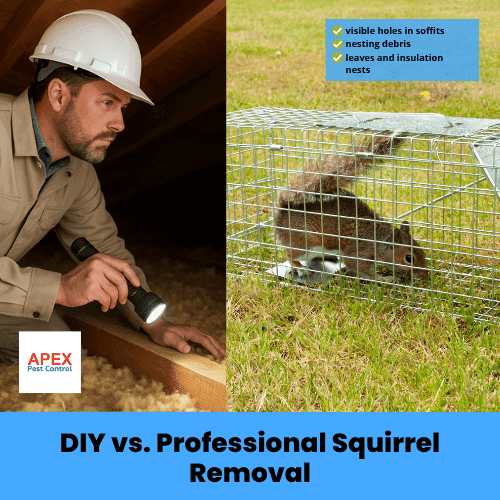
diy vs professional squirrel control

Not sure whether to deal with squirrels yourself or hire a professional? The comparison below highlights the advantages and disadvantages of each approach.

MethodProsCons
DIYCheap (e.g., £5 for cayenne pepper spray).Start right away.Eco-friendly options like peppermint.Risky (disease exposure without gear).Temporary fixes may fail.Illegal trapping can lead to fines.
ProfessionalExpert removal with one-way doors.Follows UK laws for humane dispatch.Long-term prevention tips.Costly (£200–£1,000).May need multiple visits.

Statistic: Professional squirrel removal costs £200 to £1,000, depending on infestation severity.

Preventing Future Squirrel Infestations

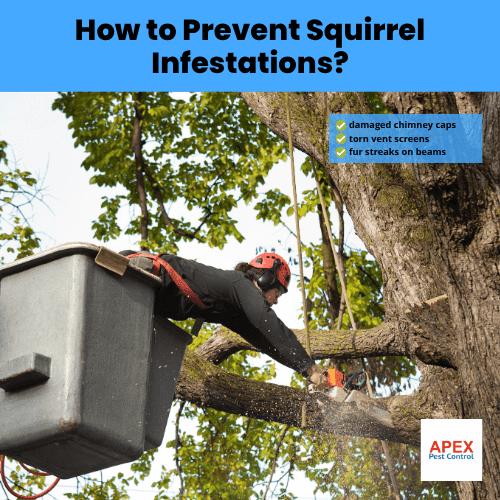
stopping squirrels for good

Preventing squirrels from entering your property is far easier and less expensive than repairing the damage they leave behind. The following practical, environmentally responsible, and legally compliant measures can help keep your home squirrel-free.

Natural Squirrel Deterrents

Grey squirrels are put off by a variety of strong scents and unpleasant textures.

  • Apply a spray made from cayenne pepper and water around vulnerable areas, or grow mint in garden beds.
  • Place coffee grounds, human hair, or blood meal around plants to discourage squirrel activity.

Tip: Repeat applications after periods of rainfall to maintain their effectiveness.

Commercial Repellents

Commercially available deterrents can provide extra protection against squirrel activity.

  • Motion-activated sprinklers discourage squirrels by releasing sudden bursts of water when movement is detected.
  • Ultrasonic repellents emit high-frequency sounds that irritate squirrels while remaining inaudible to most people.

Routine Property Maintenance

Regular inspections and maintenance reduce the likelihood of squirrels gaining access to your property.

  • Cut back tree branches that overhang or reach your roof to remove easy access routes.
  • Inspect vents, chimneys, eaves, and roof edges during spring and autumn for any openings that may require sealing.

Taking preventative action early could help you avoid repair costs ranging from £500 to £30,000.

Legal Responsibilities in the UK

Grey squirrels are classed as an invasive non-native species under UK legislation, so strict legal requirements apply.

  • The Invasive Alien Species Order 2019 makes it unlawful to release a captured grey squirrel back into the wild.
  • Trapped grey squirrels must be humanely dispatched, which is generally carried out by licensed pest control professionals to ensure compliance with the law.

Ecological Note: Responsible grey squirrel management helps protect native red squirrel populations and supports the health of UK woodlands.

Knowing When to Contact a Professional

when to call an expert

Some squirrel infestations require expert intervention. You should contact a licensed pest control professional if you notice:

  • Roofs or walls weakened by squirrels chewing structural timbers.
  • Electrical wiring that has been damaged, creating a potential fire risk.
  • Ceilings stained by urine or water tanks contaminated by squirrel activity.

Benefits of Professional Pest Control

BPCA-accredited pest control specialists deal with squirrel infestations safely, effectively, and within UK legal requirements.

  • They use methods such as one-way exclusion systems or box traps to remove squirrels humanely.
  • They repair damaged areas and provide practical recommendations to help prevent future infestations.
  • They work in accordance with the Wildlife and Countryside Act 1981 and the Wild Mammals (Protection) Act 1996.

Selecting a Reliable Pest Control Company

Choose an experienced and reputable pest management provider.

  • Check that they hold BPCA or RSPH accreditation, have appropriate insurance, and maintain positive customer reviews.
  • Ask whether they use humane removal techniques and whether they provide guarantees for preventative work.

Tip: Confirm that exclusion funnels are included as part of the treatment to help prevent squirrels from returning.

Popular Questions About Squirrel Damage

What smells deter squirrels?

Grey squirrels avoid peppermint oil, cayenne pepper, and ammonia. Apply sprays or soaked cotton balls near entry points, lofts, or plants. Reapply after rain for best results. These humane, non-toxic deterrents complement other pest control methods.

How much does squirrel damage repair cost?

Costs range from £500 for minor insulation fixes to £30,000 for major repairs to wiring, roof timbers, or asbestos ceilings. A professional survey provides an accurate estimate.

Can squirrels cause fires?

Yes. Squirrels chew wires to manage tooth growth, exposing cables that may spark or arc, causing loft fires. Regular inspections and proofing reduce this risk.

Are squirrels dangerous to my health?

Squirrel droppings and urine may carry leptospirosis and salmonella. Use personal protective equipment (PPE) or hire a licensed pest controller for safe cleanup.

How do I squirrel-proof my garden?

Cover bulbs with galvanised mesh, plant daffodils, and use squirrel-proof feeders. Trim branches near roofs and secure compost bins to reduce access.

Is it legal to release grey squirrels?

No. The Invasive Alien Species Order 2019 prohibits releasing trapped grey squirrels. Licensed professionals must humanely dispatch them to protect native species.

How do I know if squirrels are in my loft?

Listen for scratching or gnawing at dawn or dusk. Check for droppings, chewed wires, or nesting materials. A professional inspection confirms their presence.

Final Thoughts

Although grey squirrels often appear harmless, their nesting habits and constant gnawing can lead to serious damage affecting lofts, roof structures, gardens, insulation, and electrical systems. Repair costs can range from £500 to £30,000, making early detection essential. Watch for warning signs such as scratching noises or droppings, seal entry points with durable wire mesh, and use deterrents like cayenne pepper to reduce the risk of future infestations.

While DIY measures may be suitable for minor squirrel activity, extensive damage or electrical hazards should always be dealt with by BPCA-accredited professionals. Regularly inspect your property, and if you discover chewed wiring or significant structural damage, contact a licensed pest controller before the problem worsens. Prompt action helps protect both your property and the UK’s native red squirrel population.

Need Professional Squirrel Removal in South Yorkshire?

If squirrels are causing damage to your home, contact Apex Pest Control. As local BPCA-accredited and NPTA-certified specialists, they provide safe, humane squirrel removal, professional inspections, and effective long-term prevention. Call 0114 349 1098 today to arrange an inspection and protect your property.

Squirrel Behaviour

Squirrel Behaviour

Understanding Squirrel Behaviour: The Foundation of Effective Grey Squirrel Pest Control in the UK

image.png

Grey squirrels are a common presence in UK woodlands, parks, and residential gardens. While they may look harmless, understanding their behaviour is essential for delivering humane, legal, and effective pest control.

This in-depth guide looks at grey squirrel species, their behaviours, preferred habitats, and the behavioural characteristics that underpin compliant pest management approaches throughout the UK.

Understanding Squirrels: Species and Habitats

grey vs red squirrel comparison

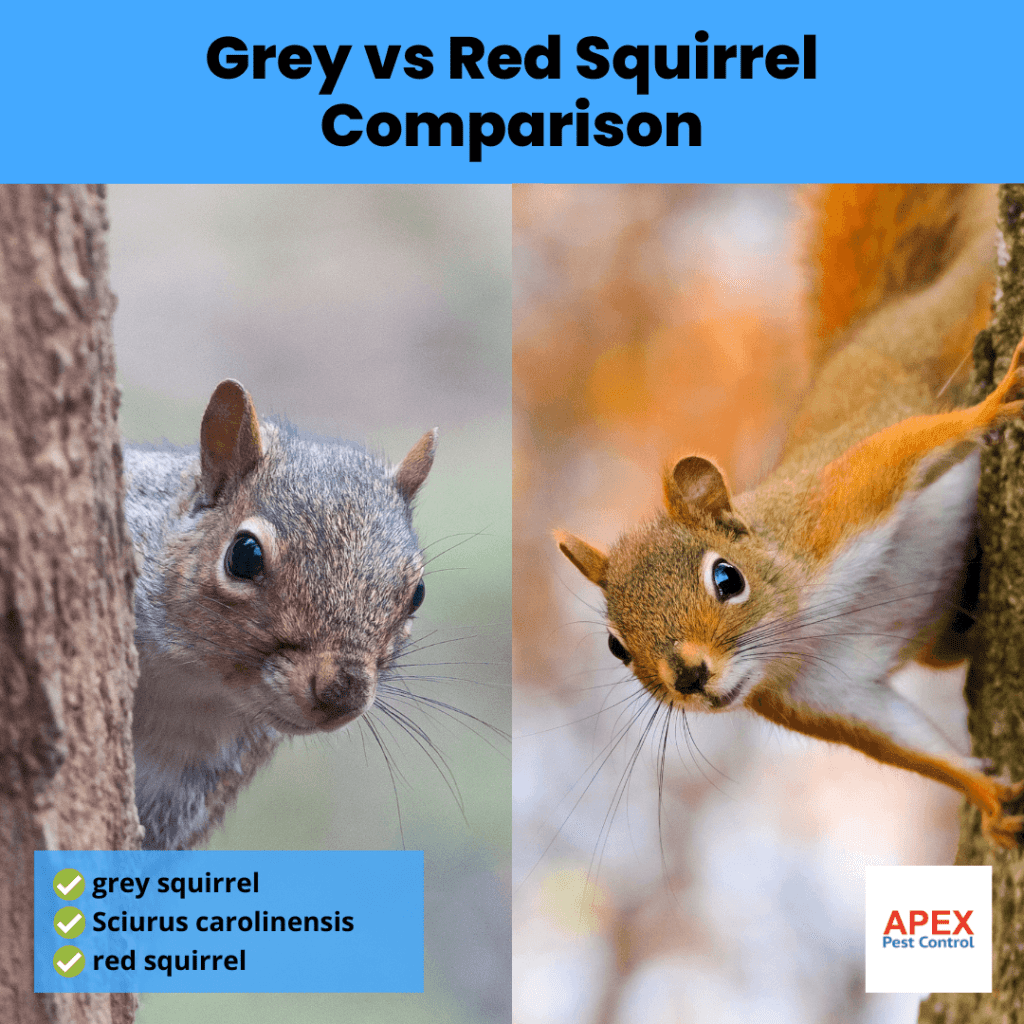
Squirrel Species Found in the UK

  • Eastern Grey Squirrel (Sciurus carolinensis): A non-native, invasive species that has become widespread across the UK, significantly outcompeting the native red squirrel.
  • Red Squirrel (Sciurus vulgaris): A native species now considered endangered, mainly because of competition from grey squirrels and the diseases they carry.
  • Other Species: Flying squirrels, prairie dogs, and other similar rodents are not naturally present in the UK.

Where Are Squirrels Found?

Grey squirrels thrive in locations that offer dependable food supplies and secure places to shelter, including:

  • Deciduous woodlands and mixed forests
  • Urban gardens, parks, rooftops, and loft spaces
  • Tree canopies, chimneys, and lofts where they build nests known as dreys

Did you know?

Grey squirrels construct both permanent and temporary dreys, often positioning them high in tree forks or inside roof voids.

Important Behavioural Patterns

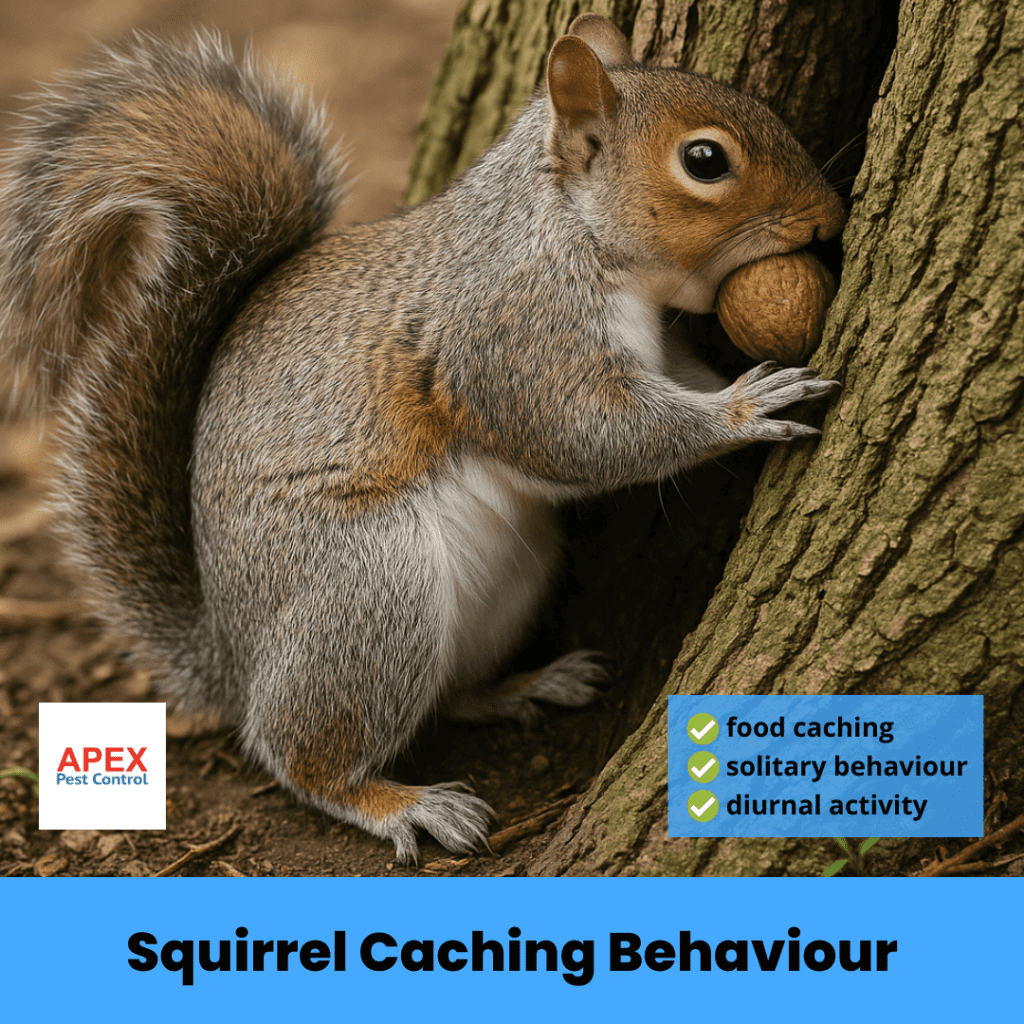
squirrel caching behaviour

Daily Activity

Grey squirrels are diurnal, meaning they are active during daylight hours. Their daily routine generally consists of:

  • Foraging early in the morning
  • Resting around midday
  • Storing food and returning to their nests during the late afternoon

Feeding and Food Storage

Grey squirrels are opportunistic feeders with a diet that includes:

  • Nuts such as acorns and hazelnuts
  • Seeds, bark, fruit, and fungi
  • Occasionally insects and bird eggs

They preserve food by burying it underground or hiding it within tree hollows for retrieval during the winter.

Communication and Warning Signals

Squirrels communicate through:

  • High-pitched alarm calls to alert others to potential predators
  • Tail flicking to indicate aggression, caution, or awareness

“Squirrel alarm calls are more complex than previously thought. They can communicate urgency, type of threat, and even direction.” — Wildlife Online

Social and Breeding Behaviour

  • Mostly solitary outside the breeding season
  • Dominance rankings determine access to food and territory
  • Females rear their young, known as kits or pups, without assistance, typically during spring and summer

Why Grey Squirrels Are Considered a Pest in the UK

Impact AreaDescription
EcologicalOutcompete native red squirrels for food and habitatTransmit squirrelpox virus, deadly to red squirrelsReduce woodland biodiversity and disrupt regeneration by stripping bark from
trees, leading to tree death and loss of habitat for other species
EconomicEstimated annual cost of £37 million in England and Wales due to lost timber
value, reduced carbon sequestration, and control measuresDamage to commercial forestry, orchards, and crops
Structural DamageChew through loft insulation, electrical wiring, timber, and property structuresAccess attics, roof spaces, and damage soffits and fascias
Garden & Agricultural DamageDig up bulbs and cormsSteal bird food and strip bark from ornamental and fruit treesDamage fruit and maize crops
Wildlife ImpactPrey on birds’ eggs and nestlings, impacting some woodland bird speciesCompete with other small mammals (e.g., hazel dormouse) for food resources
Noise & NuisanceCreate daytime noise in attics and roof spacesLeave droppings and nest

Legal Requirements for Grey Squirrel Control

Grey squirrels are designated under the Invasive Alien Species (Enforcement and Permitting) Order 2019. In the UK:

  • It is against the law to release a trapped grey squirrel back into the wild. Any grey squirrel that is captured must be humanely euthanised.
  • Using a qualified pest control professional is strongly advised to ensure all work complies with legal requirements and animal welfare standards.

Source: BPCA: Grey Squirrel Control

Physical Characteristics and Adaptation to Urban Areas

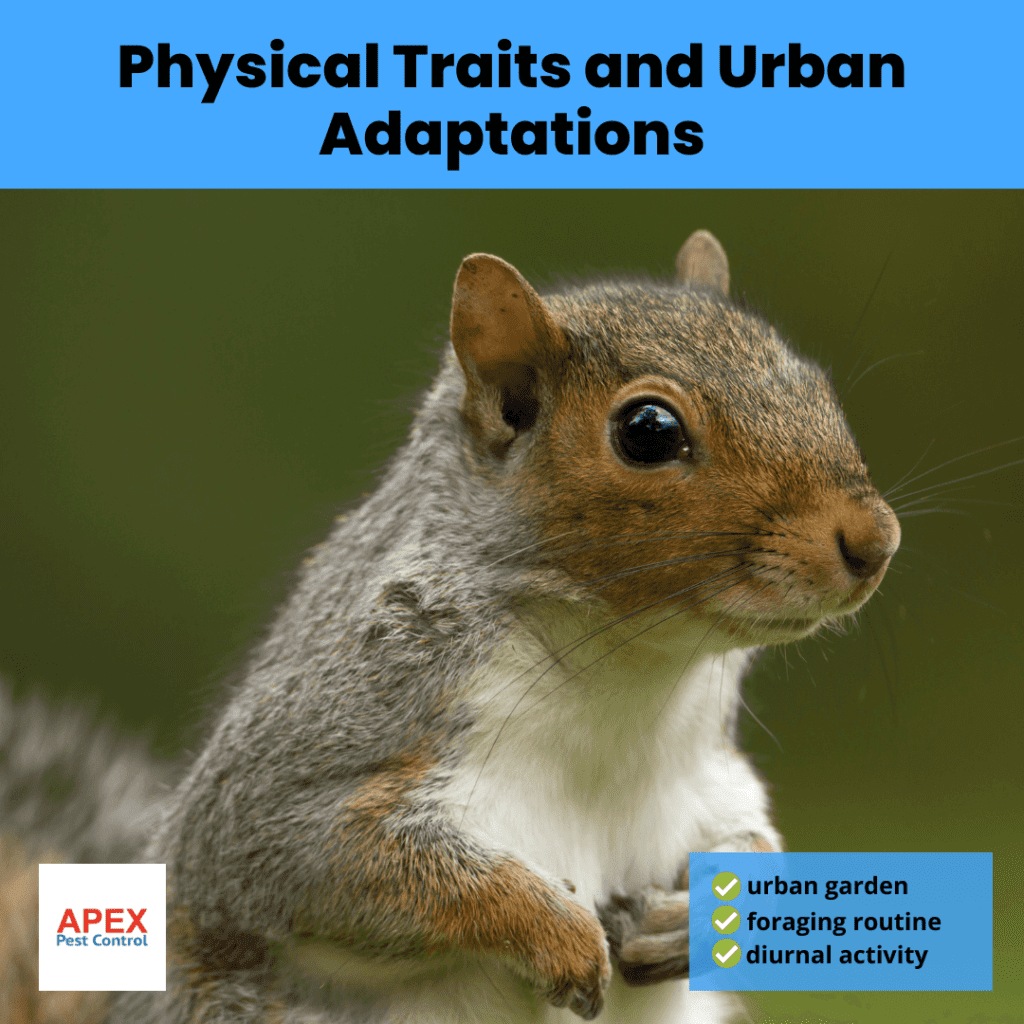
physical traits and urban adaptations

Grey squirrels have a range of physical features that help them survive in both rural and urban environments:

  • Powerful hind legs for leaping
  • Sharp claws that aid climbing
  • Continuously growing incisors for gnawing
  • A long, bushy tail that assists with balance and provides insulation

Urban areas supply plentiful food and suitable nesting sites, making lofts, roof spaces, and bird feeders particularly appealing to grey squirrels.

Effective Squirrel Control Based on Behaviour

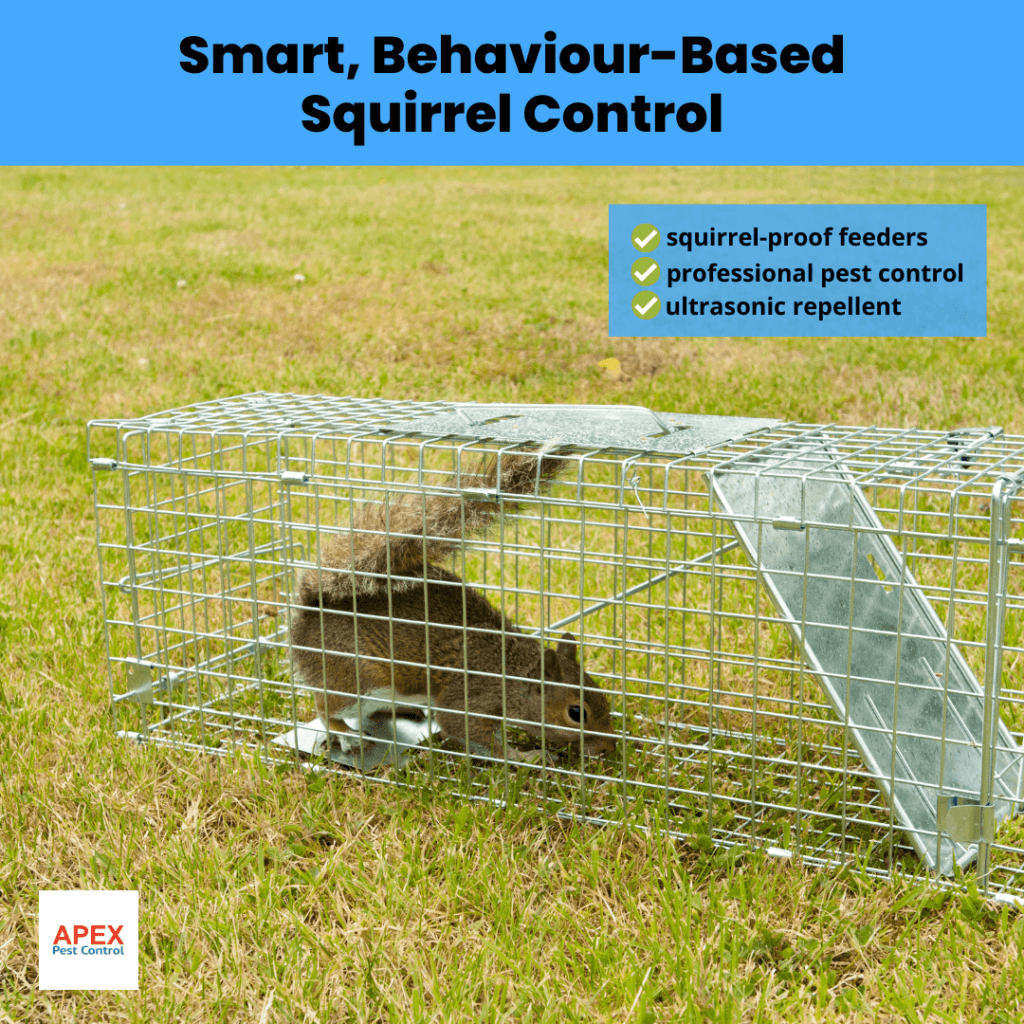
smart, behaviour based squirrel control

Why Understanding Behaviour Is Important

Managing grey squirrels successfully relies on knowing:

  • When they are active: During daylight hours
  • Where they nest: Elevated, sheltered locations such as trees and lofts
  • What they eat and store: Nuts, seeds, and suet

Understanding these habits makes it easier to implement strategic, humane, and legally compliant control methods.

Prevention Tips

  • Seal roof openings and soffits wider than 25mm
  • Install metal mesh and suitable exclusion products
  • Cut back overhanging tree branches
  • Fit squirrel-resistant bird feeders
  • Keep gardens clean to minimise food sources and shelter

DIY vs Professional Squirrel Control

MethodProsCons
DIY DeterrentsLower costNon-lethal and low-risk for householdersEasy to implement (e.g., exclusion, deterrent sprays, squirrel-proof
feeders)
Often ineffective for established infestationsMay not address root causes (entry points, food sources)Does not resolve legal obligations for humane controlCannot legally trap and release grey squirrels (illegal under UK law)
Professional Pest ControlEnsures compliance with UK laws and humane dispatch requirementsBPCA or RSPH qualified techniciansEffective long-term solutions and prevention adviceRisk assessment and safe use of approved methodsHigher upfront costRequires scheduling and property access

“Without addressing entry points and behaviour, squirrel control is a losing battle.” — BPCA Certified Technician

Squirrel Facts: Commonly Asked Questions

How long do grey squirrels live?

Most wild grey squirrels live 2–4 years, though they can reach 10–12 years in ideal conditions.

Can squirrels swim?

Yes, grey squirrels can swim, using their tails for steering, though they generally avoid water.

What are baby squirrels called?

They are known as “kits” or “pups.”

Are squirrels nocturnal?

No, grey squirrels are diurnal and active during the day.

What is a group of squirrels called?

A group is called a “scurry” or “dray.”

How do I know if I have squirrels in my loft?

Look for gnawed timbers, rodent droppings, and daytime scratching noises.

Can I remove a squirrel myself in the UK?

You must comply with UK law: it is illegal to release a captured grey squirrel. Humane dispatch is required, and professional help is strongly advised.

What’s the best deterrent for garden squirrels?

Use capsaicin-based sprays, ultrasonic repellents, and squirrel-proof feeders.

Summary and Final Thoughts

Having a good understanding of grey squirrel behaviour is fundamental to carrying out pest control that is legal, humane, and effective throughout the UK. Recognising their daily activity patterns, social habits, and adaptability enables you to make informed choices that help protect your property, garden, and native wildlife.

For expert, legally compliant squirrel control, contact Apex Pest Control in South Yorkshire to arrange assistance from a BPCA-certified and NPTA-registered pest control professional.

Grey Squirrel Bait

Legal Squirrel Bait Removal in the UK

Squirrel Bait: Professional Methods for Grey Squirrel Management

image.png

An Overlooked Urban Problem

Grey squirrels (Sciurus carolinensis) cause millions of pounds worth of damage to UK forestry each year — and your loft could easily become their next nesting site.

These invasive mammals threaten far more than the native red squirrel population; they are also capable of causing considerable damage to residential properties, gardens, and commercial buildings.

From chewing electrical wiring and destroying loft insulation to establishing nests inside roof spaces, grey squirrels create significant pest control problems. This guide explores professional, lawful, and humane methods of squirrel management that provide safer and more effective results than unreliable DIY approaches.

Why Grey Squirrels Require Professional Control?

why grey squirrels demand expert action

Ecological Impact

Grey squirrels compete with red squirrels for food and habitat, spread the fatal squirrelpox virus, and harm woodland ecosystems by stripping tree bark, disrupting seed production, and reducing biodiversity. Their environmental impact is so significant that they are recognised as one of the world’s 100 most damaging invasive species.

Property Damage & Safety Hazards

Across urban areas, grey squirrels frequently gain access to lofts through vents and soffits, where they chew electrical cables, damage insulation, and create ongoing noise problems.

Fact: Grey squirrels are among the most common causes of loft infestations in the UK and are encountered more frequently than many other nuisance wildlife species.

Legal & Ethical Limits

Anyone dealing with grey squirrels should understand the strict legal responsibilities that apply throughout the UK.

LegislationImplication
Wildlife and Countryside Act 1981Illegal to release trapped grey squirrels
Invasive Alien Species Order 2019Requires humane dispatch of invasive species
Animal Welfare Act 2006Mandates humane treatment of all animals

Wildlife and Countryside Act 1981 and Invasive Alien Species (Enforcement and Permitting) Order 2019: Once trapped, grey squirrels cannot legally be released and must instead be humanely dispatched.

Animal Welfare Act 2006: Requires captured animals to be treated and dispatched humanely using recognised methods supported by the BPCA and BASC.

The Drawbacks of DIY Squirrel Control

the pitfalls of diy squirrel control

Common DIY Errors

Many homeowners attempt to discourage squirrels using methods such as ammonia-soaked cloths, cayenne pepper, or loud noises, believing these will force them to leave. In practice, these approaches are rarely successful and may even lead to breaches of UK wildlife legislation.

Why DIY Often Doesn’t Work

  • Traps may remain unchecked for long periods, risking non-compliance with the Animal Welfare Act.
  • Entry points are sometimes sealed before every squirrel has safely left the building.
  • Non-target wildlife, including birds and hedgehogs, may unintentionally be harmed.

Note: Always use trail cameras alongside professional advice before implementing any squirrel control measures.

Key Point: Only approved, humane squirrel control methods should be used.

The Professional Three-Step Control Approach

squirrel bait station

1. Baiting: Targeted & Seasonal

Pros: High success rates with the availability of non-toxic bait options.

Cons: Relies on correct timing and may occasionally attract unintended wildlife.

Note: Baiting should always be undertaken by trained professionals to ensure legal compliance and maximum effectiveness.

2. Humane Trapping & Dispatch

Approved methods include:

  • Cranial concussion (endorsed by BASC)
  • CO₂ euthanasia (for appropriately licensed professionals)
  • Air rifle shooting (where legally permitted and carefully controlled)

Pros: Complies with UK legislation while providing an ethical control method.

Cons: Requires appropriate training, and incorrect use can place non-target species at risk.

3. Structural Proofing: Locking Squirrels Out

Common Entry Points:

  • Roof vents, gable ends
  • Damaged soffits, fascias
  • Pipe/cable holes
  • Overhanging branches

Proofing Materials:

  • 6mm galvanised wire mesh (rodent-proof)
  • Steel flashing (20+ years durability)
  • Mesh wool/mortar for gaps
ProsCons
Permanent exclusionLabour-intensive
Prevents repeat infestationsMay require roof or tree work

Key Point: Structural proofing remains the only permanent method of preventing squirrels from re-entering a property.

Pros: Delivers long-lasting exclusion and helps eliminate repeat infestations.

Cons: Installation can be labour-intensive and may require the expertise of roofers or arborists.

Integrated Pest Management (IPM) for Squirrels

integrated pest management (ipm) for squirrels

Habitat Management

  • Fit bird feeders that are designed to prevent squirrel access.
  • Prune tree branches so they remain at least 2 metres away from the roof.
  • Keep refuse sacks securely tied to reduce pest attraction.

Monitoring Methods

  • Install trail cameras to monitor squirrel movement and activity.
  • Ultrasonic deterrents may offer limited support but should never be relied upon as the only control measure.

Humane Wildlife Rescue

  • Where orphaned juvenile squirrels are discovered, qualified professionals may work with wildlife rescue centres to ensure they are handled and re-homed in accordance with legal requirements.

Note: Many pest control specialists now incorporate wildlife rescue procedures when dependent young are involved.

Legal & Welfare Considerations

legal & ethical notes

Case Study:

A homeowner was issued a substantial financial penalty after unknowingly releasing captured grey squirrels, unaware that doing so breached UK legislation.

Fact: Releasing trapped grey squirrels is against the law. They must either be humanely dispatched or managed by a qualified pest control professional.

“We Thought It Was Birds in the Roof—Until We Discovered a Costly Rodent Nest”

Homeowner in Surrey shares a cautionary tale about pest-related property damage

The Hidden Cost of Ignoring Strange Noises

“We dismissed the scratching in our roof as birds for months—until we spotted gnawed electrical cables and a nest of shredded insulation. The final repair bill exceeded £2,000,” explains a Surrey homeowner.

Their experience demonstrates how untreated rodent infestations can create serious fire hazards, damage the structure of a property, and lead to expensive repair work.

Understanding the Risks Rodents Pose to UK Properties

understanding rodent risks in uk homes

Why Loft Spaces Are at Risk

  • Gnawing Damage: Rats and mice naturally chew through materials including electrical cables and insulation, increasing the risk of fire while weakening parts of the building.
  • Nesting Habits: Loft insulation and stored belongings provide sheltered nesting areas that allow rodent populations to establish and expand.

Financial Consequences

  • Typical Repair Costs: Damage caused by rodents frequently exceeds £1,500–£2,500, including electrical repairs, replacement insulation, and proofing work.
  • Insurance Limitations: Many household insurance policies do not cover rodent-related damage, meaning repair costs usually fall to the property owner.

Legal Duties and Safe Control Measures

  • Homeowner Responsibilities
  • Under the Prevention of Damage by Pests Act 1949, property owners are expected to deal with pest infestations without delay. If ignored, local authorities have powers to require appropriate action.

When Professional Help Is Needed

when to call a professional

Technician Qualifications: Always appoint pest controllers who are BPCA-certified or hold RSPH Level 2 qualifications and operate in accordance with:

  • Health and Safety at Work Act 1974
  • Control of Pesticides Regulations 1986.
  • Humane Control Practices: Wildlife-compliant methods, including tamper-resistant bait stations where appropriate, are required to meet the standards of the Animal Welfare Act 2006.

Step-by-Step Guide to Squirrel Control

  1. Inspect: Search for droppings, damaged insulation, chewing marks, or scratching noises in the loft.
  2. Bait & Trap: Position traps along established squirrel routes and inspect them every day.
  3. Humane Dispatch: Ensure dispatch is carried out using approved methods or by qualified technicians.
  4. Proofing: Close off all access points using durable squirrel-resistant materials.
  5. Monitor: Continue monitoring activity using cameras or detection sensors.
  6. Seek Professional Help: For loft infestations or more challenging cases, always contact a BPCA-certified pest control specialist.

Common Questions Answered

Can I release a trapped grey squirrel?

No. UK law bans releasing grey squirrels. You must humanely dispatch them or hire a licensed pest controller trained in invasive species regulations.

What if I find baby squirrels in my loft?

Do not handle them. Contact a wildlife rescue or professional pest controller to identify the species and refer juveniles to a registered sanctuary.

Do ultrasonic repellents work for squirrels?

They may offer short-term deterrence, but evidence suggests they’re unreliable. Robust control depends on habitat changes and proofing entry points.

Can I use poison for squirrel control?

No. Rodenticides like warfarin are no longer authorised for squirrels due to welfare and environmental risks. Only certified professionals can use approved methods, and no amateur-use poisons are available.

How do I know if it’s a squirrel or rat in my loft?

Squirrel droppings are larger and rounded; squirrels are active by day, rats by night. Experts use trail cameras for precise identification.

Conclusion: A Lasting Approach to Squirrel Control

Long-term squirrel management is achieved through a combination of scientific understanding, legal compliance, and humane control methods. Although baiting forms one part of the process, lasting success also depends on effective trapping, responsible dispatch, and comprehensive proofing. By working with qualified pest control professionals, you can protect your property, comply with wildlife legislation, and reduce the risk of future infestations.

Ready to Get Started?

Book an inspection with an NPTA or BPCA-certified pest control specialist for a fully compliant assessment and a treatment plan tailored to your property.

For further information or to arrange a professional inspection, contact Apex Pest Control in South Yorkshire, your trusted local NPTA and BPCA member, today.

Squirrel Infestation Signs

Signs of a Squirrel Infestation: How to Identify Problems Early

squirrel infestation signs

Infestations of squirrels frequently begin undetected—until the overhead noise becomes indiscernible. Grey squirrels are nimble and tenacious; they nest in attics, lofts, wall cavities, and roof spaces, taking advantage of even the smallest flaws in a property.
Why? Buildings become the perfect environment for squirrels because they provide warmth, protection from predators, and consistent food supplies.

Early detection of an infestation protects your property, minimises damage, and prevents expensive repairs. Unchecked squirrels can cause fire dangers, rip insulation, and gnaw wiring. A small amount of scrambling can turn into thousands of pounds of electrical and structural damage.

Homeowners and property managers in the UK can learn from this guide what draws squirrels indoors, how to spot infestation symptoms, and when to hire a professional pest control company

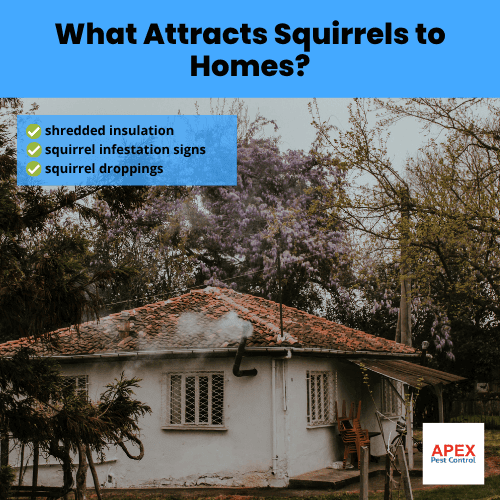
What Draws Squirrels to Houses?

what attracts squirrels to homes

Squirrels don’t just happen to move in. Their nesting habits stem from their need for food, cover, and trees. Your property may become prime territory if it meets certain requirements.

1. Proximity to Trees

Tall trees like oak, maple, and pine serve as launchpads. If branches touch or overhang your roof, squirrels can leap directly onto your home. They typically build nests within 500 feet of a food source—trees that provide both access and nutrition.

2. Accessible Attic or Loft Space

Lofts and crawlspaces mimic hollowed tree cavities—perfect for bedding and protection. Squirrels favour insulation, cardboard, and fabric to build nests. One female may create multiple nests, especially during the breeding season.

3. Unsealed Roof Gaps and Vents

With flexible bones and sharp claws, squirrels squeeze through openings as small as 1.5 inches. Common entry points include:

  • Chimneys without caps
  • Roofline gaps
  • Vents
  • Soffits and fascia boards

They’ll also gnaw through soft materials to widen access.

4. Readily Available Food Sources

Squirrels return to where food is consistent:

  • Bird feeders (especially sunflower seeds and suet)
  • Outdoor pet food
  • Compost bins and unsecured waste
  • Warmth from attic heating

Reduce these lures, and you make your home far less appealing.

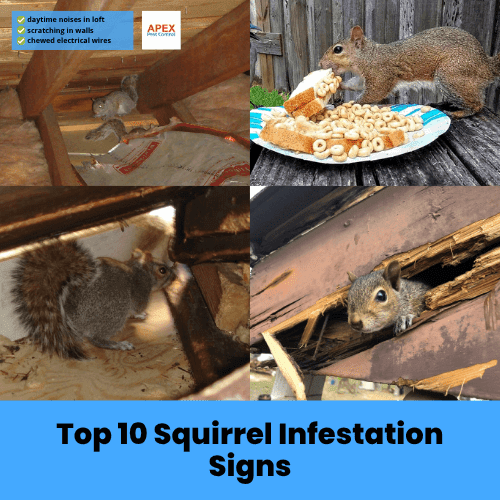
Top 10 Squirrel Infestation Signs

top 10 squirrel infestation signs

1. Daytime Noises in the Loft or Walls

Squirrels are active during the day. You may hear scratching, scampering, or thuds—especially at dawn and dusk. Unlike nocturnal pests like rats, their daylight activity is a key clue.

2. Chewed Wiring and Damaged Insulation

Squirrels gnaw constantly to wear down incisors. Exposed electrical wires, shredded loft insulation, or displaced materials often point to an active nest.

3. Droppings and Odour

Squirrel droppings resemble rat faeces but tend to be rounder and about ⅜ inch long. Accumulated urine produces a strong ammonia smell, especially in enclosed attic corners.

4. Visible Roof or Exterior Entry Points

Check for:

  • Chew marks on fascia boards or shingles
  • Holes (roughly 2 inches in diameter)
  • Frayed roofing or soffits
  • These are common routes into roof spaces.

5. Nesting Debris

Inside lofts or crawlspaces, nests made from leaves, paper and insulation often appear in corners, near heat sources, or hidden in wall voids.

6. Daylight Scratching Sounds

The rhythm of movement—short bursts followed by silence—often signals daytime activity. Squirrel presence is confirmed if this occurs regularly.
7. Damaged Chimney Caps or Vents

Signs include:

  • Torn metal screens
  • Bent or missing vent covers
  • Debris near flue openings

These are critical weak spots for entry.

8. Grease Marks or Tracks

Repeated movement leaves footprints and fur streaks. Look for marks along wooden beams, rafters or baseboards—especially where squirrels access nesting spots.

9. Squirrel Sightings Around Roofline

Frequent sightings of squirrels carrying nesting materials near vents or utility lines usually indicate nearby nesting activity.

10. Chewed Timber or Stored Items

In garages, sheds, or attics, look for gnawed furniture, boxes, or beams. Squirrels chew both structural and stored materials.

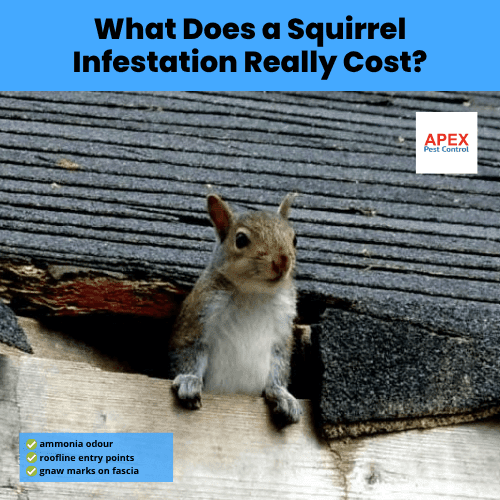
Squirrel Infestation: How Much Does It Actually Cost?

what does a squirrel infestation really cost

Ignoring the signs leads to significant damage—both financial and structural.

Area AffectedPotential Cost
Rewiring loft space£1,500–£10,000
Insulation replacement£1,000–£2,500
Roof leak repairs£800–£3,000
Pest control services£150–£500
Total damage (severe cases)£15,000+

Squirrels gnaw:

  • Wood beams
  • Fascia boards
  • Insulation
  • PVC piping

They also damage ducting, vapour barriers, and even drywall—turning your attic into a construction site.

Fire Hazards from Chewed Wires

Chewed cables expose copper wiring, which risks short-circuiting. According to the National Fire Protection Association (NFPA), rodents are a cause of thousands of annual house fires—many starting in attics.

Roof Rot and Water Leaks

When squirrels create access points, rainwater follows. Damp insulation loses its R-value, wood joists rot, and leaks spread into ceilings and walls—resulting in mould and structural decay.

Health Hazards

Accumulated faeces and urine carry allergens, mites, and parasites. Airborne contaminants can spread through HVAC systems, aggravating respiratory conditions such as asthma.

DIY vs. Professional Squirrel Removal

diy vs. professional squirrel removal

DIY Limitations

  • Hard-to-Find Entry Points: Squirrels use hidden routes—behind fascias, vents or gables.
  • Legal Restrictions: UK law protects certain wildlife. Grey squirrels can be humanely dispatched but not relocated. Always verify local legislation.
  • Lack of Tools: Thermal imaging, cameras, and rodent-proof sealing materials are rarely part of a DIY toolkit.

Why Hire a Pest Control Expert

  • Accurate Identification: Professionals assess nest sites, droppings, and entry points.
  • Safe, Legal Removal: Humane, licensed trapping methods are used.
  • Entry Point Sealing: Materials like galvanised mesh and metal flashing are applied to prevent re-entry.
  • Long-Term Prevention: Follow-up visits, deterrent installation, and expert advice reduce future risks.

Ways to Stop Squirrel Infestations

how to prevent squirrel infestations

1. Trim Trees and Clear Roof Access

  • Cut back branches at least 10 feet from the house.
  • Prune shrubs near walls.
  • Avoid dense planting around the foundations.

2. Seal Entry Points

  • Check vents, eaves, and soffits for holes or rot.
  • Use steel mesh and metal flashing—squirrels chew through wood and plastic.
  • Conduct inspections each spring and autumn.

3. Remove Food Lures

  • Store birdseed and pet food in chew-proof containers.
  • Secure compost bins and outdoor waste.
  • Clean BBQs and outdoor eating areas.

4. Protect Chimneys and Vents

  • Install chimney caps that allow airflow but block animal access.
  • Fit metal covers on bathroom and dryer vents.
  • Replace any worn or rusted barriers promptly.

When Should You Hire a Pest Control Expert?

when to call a pest control specialist

You should seek help if:

  • Multiple signs (chewing, noise, droppings) appear at one
  • DIY attempts haven’t stopped the activity
  • Nesting materials or young squirrels are found
  • Daytime squirrel activity is consistent near your roof
  • You’re unsure if it’s squirrels or another pest

FAQs: Squirrel Infestation in UK Homes

Infestations of squirrels can seriously disrupt and destroy homes in the UK, particularly at specific seasons of the year. The most often asked questions concerning squirrel issues are addressed below, along with information that complies entirely with current UK pest control regulations and industry best practices.

When Are Squirrel Infestations Most Common?

Squirrel infestations in UK homes are most frequent during late autumn and early spring. These are the peak nesting periods for Eastern grey squirrels (Sciurus carolinensis), when they actively seek out sheltered environments—such as lofts and attics—to rear their young and escape colder weather.

Can Squirrels Damage Loft Insulation?

Yes. Squirrels frequently shred loft insulation materials, including mineral wool and fibreglass, to build their nests. This behaviour destroys the insulation’s structure and compresses it, reducing your home’s energy efficiency and potentially increasing heating costs.

Do Squirrels Pose a Fire Risk?

Absolutely. Squirrels are known to gnaw on electrical wiring, stripping away the protective coating and exposing live wires. This significantly increases the risk of electrical fires within loft spaces and wall cavities. If you suspect squirrel activity, it’s important to have your wiring inspected by a qualified electrician.

How Do I Know If It’s Squirrels and Not Rats?

  • Squirrels are diurnal (active during the day) and leave rounded droppings.
  • Rats are nocturnal (active at night) and leave spindle-shaped droppings.
  • Correct identification is crucial for effective pest control, as treatment methods differ for each species.

Is It Legal to Remove Squirrels in the UK?

Grey Squirrels: Under the Wildlife and Countryside Act 1981 and the Invasive Alien Species (Enforcement and Permitting) Order 2019, it is illegal to release a captured grey squirrel back into the wild.

They must be dispatched humanely, following UK pest control regulations. Only trained individuals should carry out humane dispatch, and it is strongly advised to use a professional pest controller.

Red Squirrels: Red squirrels are a protected species and must not be harmed under any circumstances.

What Should I Do If I Suspect a Squirrel Infestation?

Do not attempt to trap or dispatch squirrels yourself unless you are trained and understand the legal requirements.

Contact a qualified pest control technician—preferably BPCA or RSPH certified—for a professional assessment and compliant treatment.

Ensure all entry points are sealed after removal to prevent future infestations.

Why Choose a Professional?

Professional pest controllers:

  • Are trained in humane and legal squirrel control methods
  • Hold appropriate licences and insurance
  • Follow Health & Safety Executive (HSE) guidelines
  • Provide advice on preventing future infestations

Speak to a qualified technician today for safe, legal, and effective squirrel control.

Prevent Squirrel Damage to Your South Yorkshire Property

protect your south yorkshire property from squirrel damage

Despite their diminutive size, squirrels do a great deal of harm. It’s time to take action if you’ve spotted indicators like droppings in attic corners, chewed wiring, or disturbances in the loft during the day. In the long term, prompt action not only stops additional damage but also saves money and stress.

Expert squirrel removal services are what we at Apex Pest Control offer throughout South Yorkshire. Our certified professionals locate entry locations, carefully eradicate infestations, and put long-term preventative measures in place that are specific to your house.

Avoid waiting for the harm to worsen.

Make an appointment for your inspection with Apex Pest Control right now to protect your house or place of business against squirrel infestations.

Grey Squirrel Diseases

Exposing Squirrel Diseases in Urban and Wild Populations: Uncovering the Hidden Dangers

grey squirrel diseases

Grey squirrels can be seen running under woodland canopies or darting through metropolitan parks. Squirrels and the environments they dwell in are both impacted by a hidden world of diseases that lurk behind their colourful antics.

These health hazards, which range from bacterial infections to parasitic infestations, can affect both urban and rural areas and can occasionally endanger people and animals.

To safeguard your house, garden, and local wildlife, you must first understand these diseases. This is a clear, thorough reference to squirrel diseases, their consequences, and responsible grey squirrel problem-solving techniques using expert pest control.

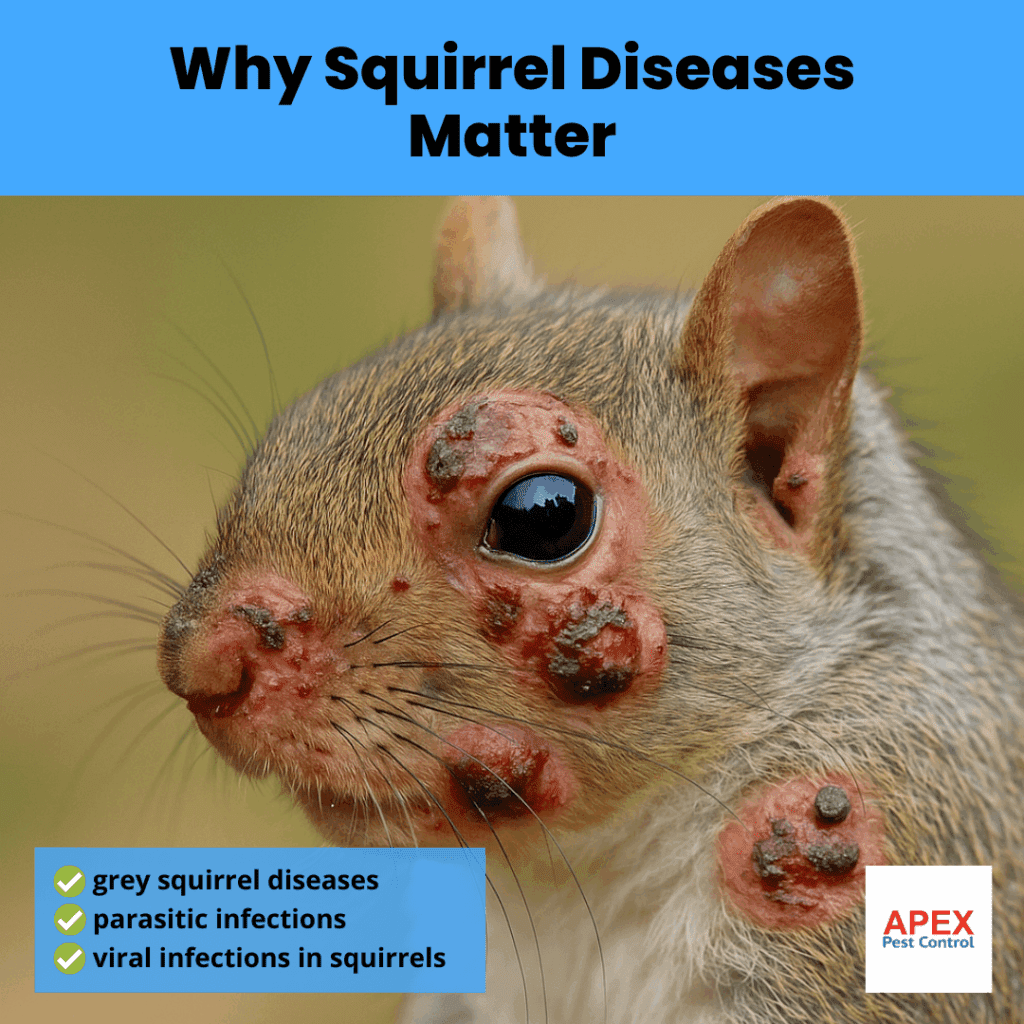
Why Squirrel Diseases Matter

why squirrel diseases matter

In the United Kingdom, grey squirrels (Sciurus carolinensis) are tenacious, versatile, and common. However, they are vulnerable to several health problems, such as:

  • Parasitic infestations like mange and intestinal worms
  • Viral infections such as squirrelpox
  • Bacterial diseases including leptospirosis and tularaemia
  • Fungal infections like ringworm

In addition to harming squirrels, these conditions have the potential to disturb ecosystems, have an impact on native red squirrel populations, and, in rare instances, spread zoonotic diseases to people or pets.

Did you know?

More than 40 parasites can live in a single grey squirrel, and infections connected to severe illnesses may be found in their nests.

Act now: For a safe and legal inspection and treatment of squirrel-related hazards, get in touch with Apex Pest Control or another BPCA-certified pest management specialist.

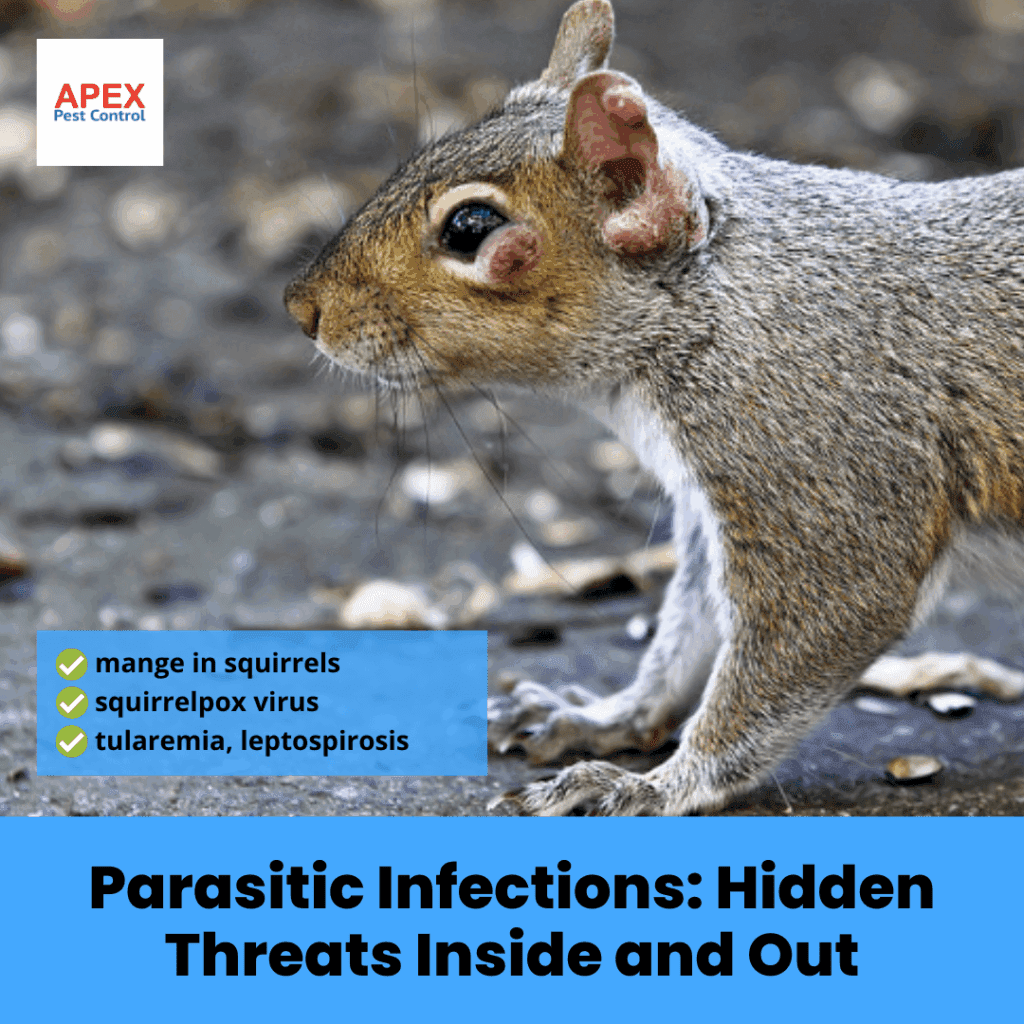
Parasitic Infections: Hidden Threats Inside and Out

parasitic infections hidden threats inside and out

Internal Parasites: Worms in the Gut

Parasitic worms such as roundworms (Ascaris spp.) and tapeworms (Taenia spp.) flourish inside a squirrel’s digestive tract, frequently going unnoticed until symptoms manifest. By stealing nutrition, these parasites lead to:

  • Weight loss and malnutrition
  • Digestive issues or intestinal blockages
  • Lethargy and reduced activity

These worms are acquired by squirrels by the consumption of polluted food or faeces-contaminated nesting materials. Particularly during the winter, severe infestations can weaken squirrels and reduce their chances of surviving.

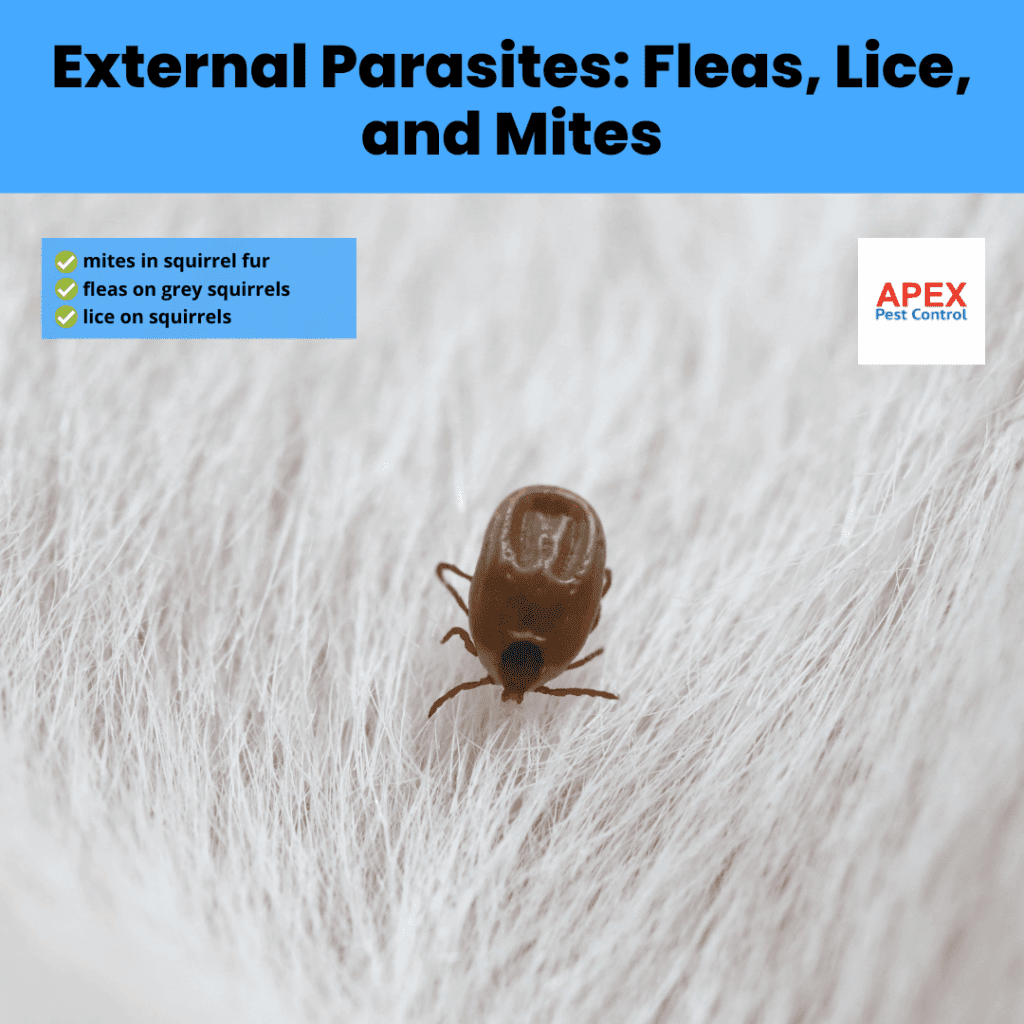
External Parasites: Fleas, Lice, and Mites

external parasites fleas, lice, and mites

The thick fur of a squirrel serves as a refuge for external parasites such as:

  • Fleas (Ctenocephalides felis, Orchopeas howardi): These carry bacteria like Bartonella and jump between hosts.
  • Lice (Enderleinellus spp.): They cling to hair, causing intense itching.
  • Mites (Sarcoptes scabiei, Demodex): These trigger skin damage and hair loss.

The constant scratching of infested squirrels causes open sores and subsequent illnesses. Reduced foraging, dehydration, and anaemia are all consequences of high parasite burdens.

Mange: A Microscopic Menace

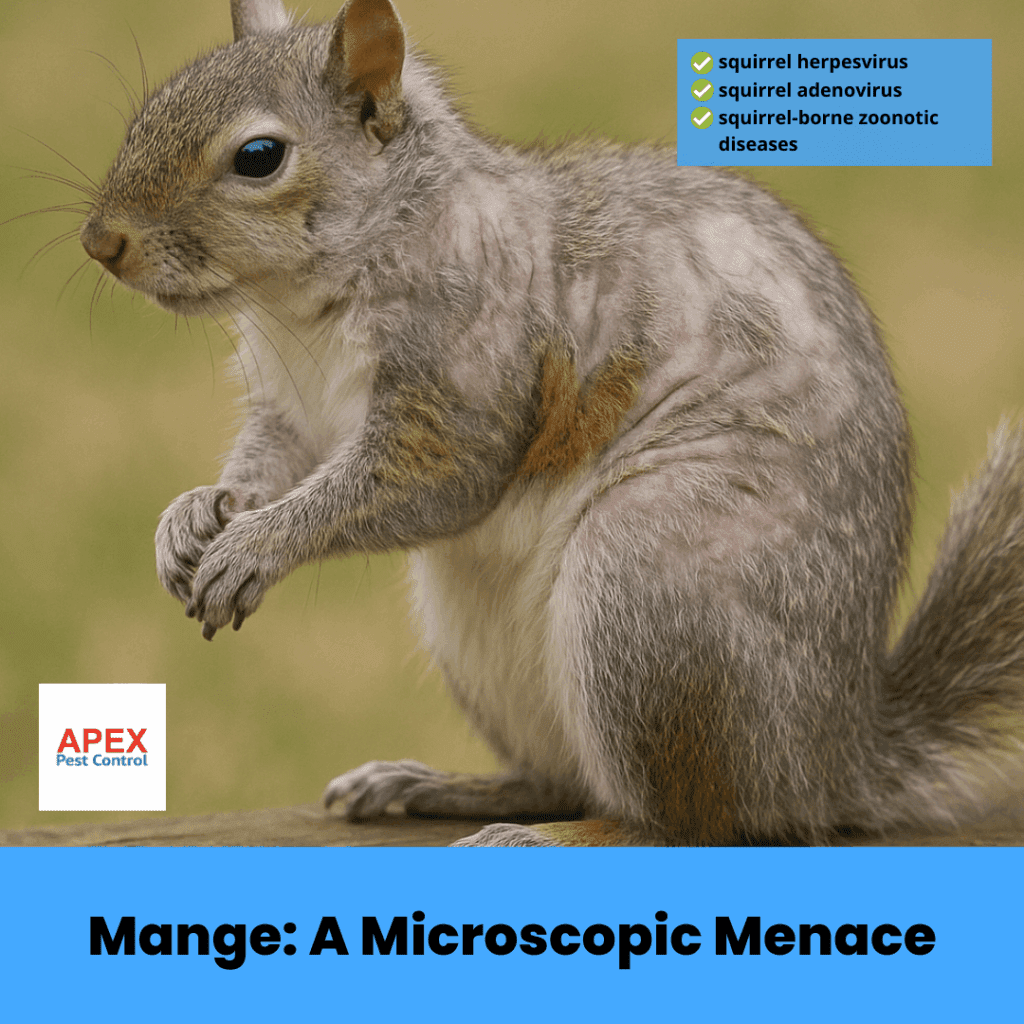
mange a microscopic menace

What Causes Mange?

Sarcoptes scabiei mites, which burrow into a squirrel’s skin and induce inflammation and intense itching, are the cause of mange. Among the symptoms are:

  • Patchy hair loss, starting around the head and shoulders
  • Crusty, thickened skin, often grey or white
  • Lethargy and emaciation due to disrupted foraging

To make their situation worse, mange-afflicted squirrels may rub against branches or scratch compulsively.

How Mange Spreads

Direct contact during social interactions or in shared nests is how mange is disseminated. In shared habitats, it may also have an impact on other species, like as dogs or foxes. In urban squirrel populations that are densely populated, outbreaks spread rapidly.

Spot an outbreak: Keep an eye out for bald-patched squirrels in colonies close to your house. Inform a certified wildlife rehabilitator of any encounters.

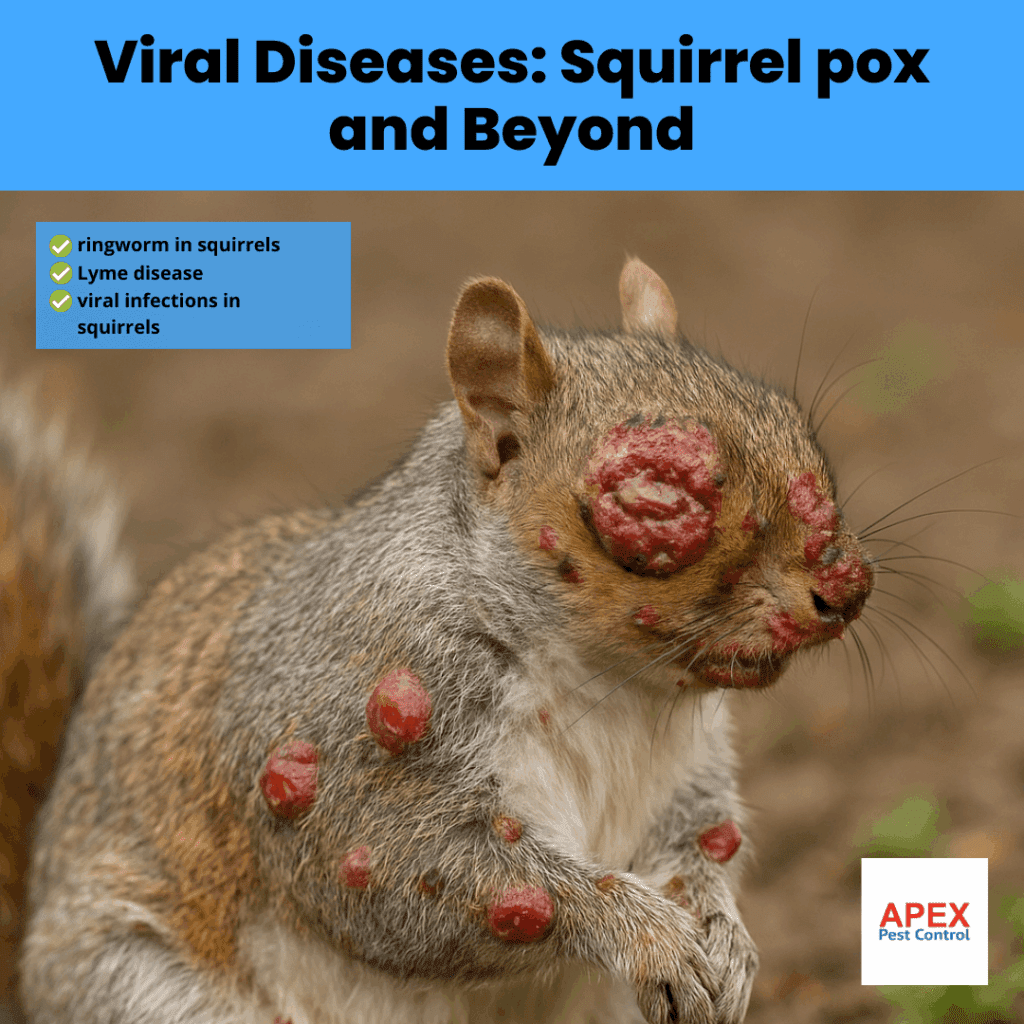
Viral Diseases: Squirrel pox and Beyond

viral diseases squirrel pox and beyond

Squirrel pox: A Devastating Threat to Red Squirrels

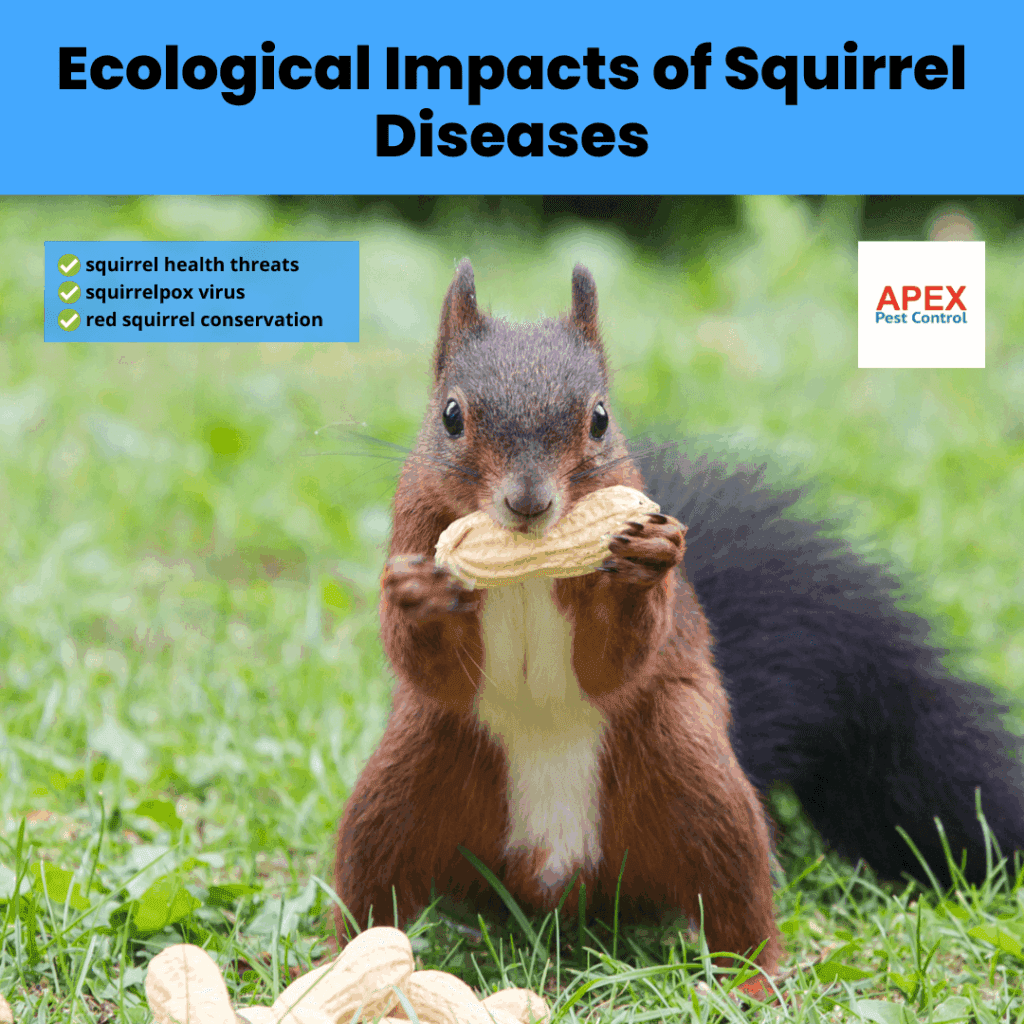
The poxvirus that causes squirrel pox kills native red squirrels (Sciurus vulgaris), but it usually doesn’t hurt grey squirrels, which serve as carriers. Red squirrel symptoms include:

  • Skin ulcers around the eyes, ears, and face
  • Swelling and crusting of lesions
  • Rapid decline and death within two weeks

Grey squirrels can transmit the virus by coming into close contact with one another or by sharing surfaces, such as feeders. According to the Red Squirrel Survival Trust, red squirrel populations in England and Wales have decreased due to this disease, falling from 3.5 million in the 19th century to less than 140,000 now.

Conservation efforts: Although there is currently no widely accessible vaccine to protect red squirrels, pilot vaccination programs are in place. Reporting sightings to nearby wildlife trusts will help save red squirrels.

Other Viruses: Herpesvirus and Adenovirus

Adenoviruses, which cause respiratory or digestive problems, and herpesviruses (ScHV-1), which cause mouth ulcers or lethargy, can infect squirrels. Red squirrels are more likely to die from these infections, but grey squirrels frequently carry them without showing any signs. In the UK, several factors make red squirrel displacement worse.

Bacterial Infections: Silent but Serious

bacterial infections silent but serious

Common Bacterial Threats

Through wounds or tainted food, bacteria such as Streptococcus species and Pasteurella multocida (pasteurellosis) infect squirrels, leading to:

  • Abscesses and inflammation
  • Respiratory issues or pneumonia
  • Neurological symptoms like head tilt or disorientation

Because of their dense populations and exposure to human trash, urban squirrels are more vulnerable.

Tularaemia: A Rare but Potent Risk

Tularaemia is an uncommon bacterial disease that affects squirrels and is brought on by Francisella tularensis. It spreads by way of:

  • Direct contact with infected animals
  • Tick bites (Dermacentor variabilis, Amblyomma americanum)
  • Contaminated soil or water

Less than 200 human cases occur in the US each year, but if left untreated, tularaemia can produce serious symptoms like fever and enlarged lymph nodes. Take precautions: In wooded locations, apply bug repellent and refrain from handling dead squirrels.

Leptospirosis: A Waterborne Concern

Leptospirosis, which is caused by Leptospira interrogans, is transmitted through soil or water tainted with urine. Human symptoms include fever, aches in the muscles, and in extreme situations, damage to the kidneys or liver. Wet areas and urban parks raise the risk of transmission.

Prevention tip: To keep squirrels away from gardens, keep pet dishes clean every day and don’t leave standing water there.

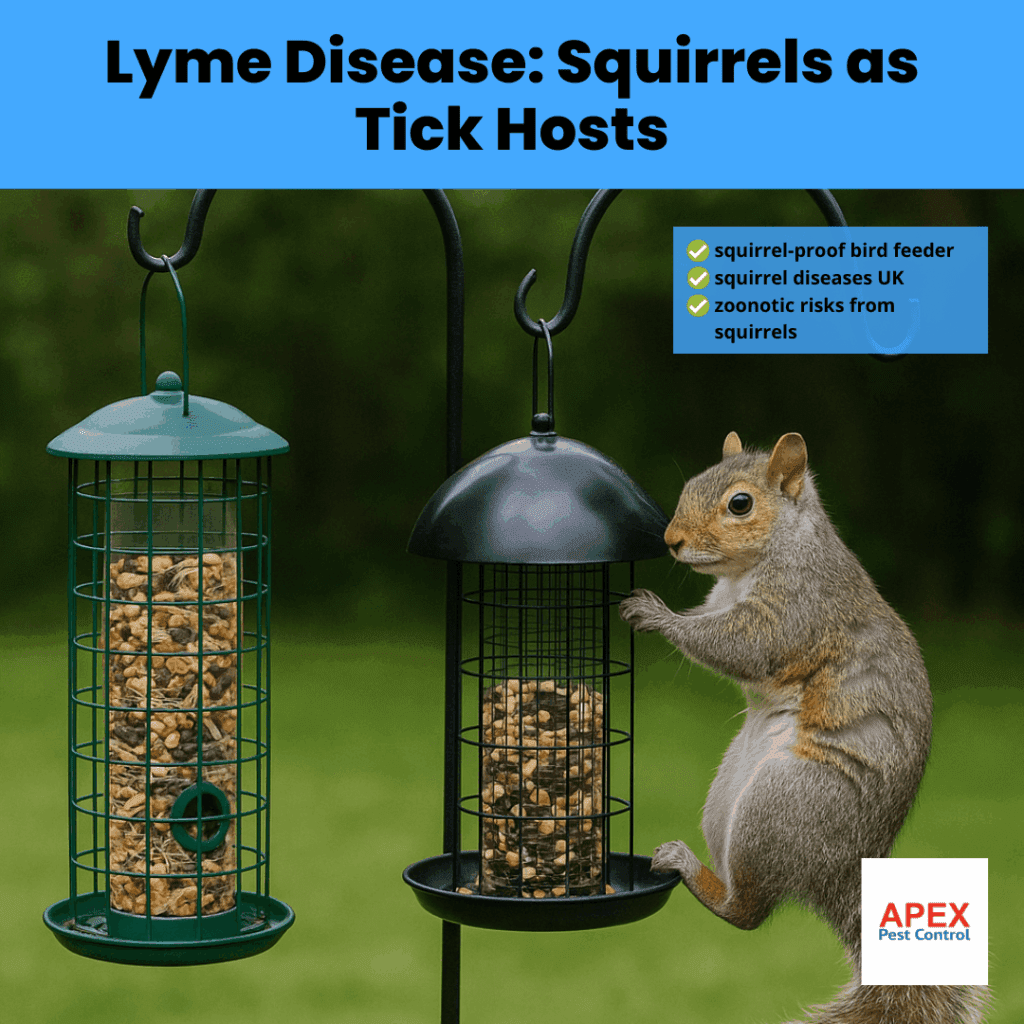
Lyme Disease: Squirrels as Tick Hosts

lyme disease squirrels as tick hosts

The bacterium that causes Lyme disease, Borrelia burgdorferi, can be carried by ticks (Ixodes ricinus in the UK), which are hosted by grey squirrels. In gardens and woodlands, squirrels maintain tick populations, which raises the danger of human exposure, even though mice are the main reservoirs.

Reduce tick encounters:

  • Clear brush piles and dense vegetation
  • Use squirrel-proof bird feeders
  • Apply tick preventives to pets
  • Check for ticks after outdoor activities

Rabies: Separating Fact from Fiction

rabies separating fact from fiction

According to the Animal and Plant Health Agency, the UK is regarded as rabies-free among terrestrial species, hence squirrels rarely carry the disease. In squirrels, parasites, injuries, or neurological disorders are more likely to cause erratic behaviour than rabies.

Key takeaway: Squirrels pose no significant rabies risk in the UK. Report unusual behaviour to a licensed wildlife rehabilitator for assessment.

Zoonotic Risks: Diseases That Can Spread to Humans

Squirrel-borne zoonotic diseases are rare but include:

DiseaseCauseTransmissionHuman Symptoms
TularaemiaFrancisella tularensisTick bites, contact with infected animalsFever, ulcers, swollen lymph nodes
LeptospirosisLeptospira interrogansContaminated water or soilFever, muscle aches, kidney damage
SalmonellaSalmonella spp.Faecal contaminationDiarrhea, fever, cramps
RingwormFungal infectionDirect contactItchy, circular rash

Stay safe:

  • Wear gloves when handling squirrel feeders or nests
  • Wash hands thoroughly after outdoor activities
  • Avoid direct contact with wild squirrels

Spotting Diseased Squirrels

spotting diseased squirrels

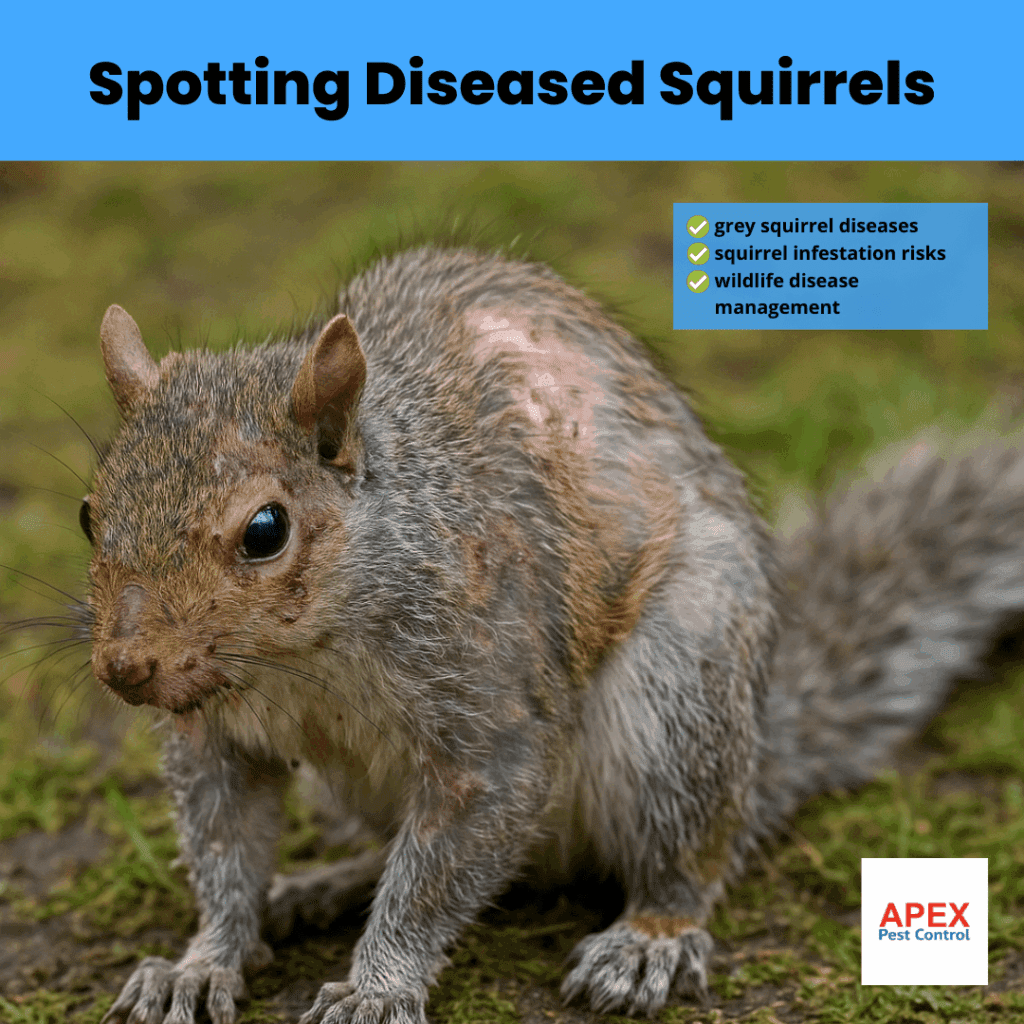
Squirrels in good health move quickly and are vigilant. Squirrels with illnesses may show:

  • Lethargy or unresponsiveness
  • Hair loss or open sores (e.g., mange, squirrelpox)
  • Erratic movements like circling or stumbling
  • Swollen abdomen or laboured breathing

What to do: Never try to cure sick squirrels on your own. For safe, compliant handling, get in touch with your local wildlife authority or a certified wildlife rehabilitator.

Preventing Disease Transmission

preventing disease transmission

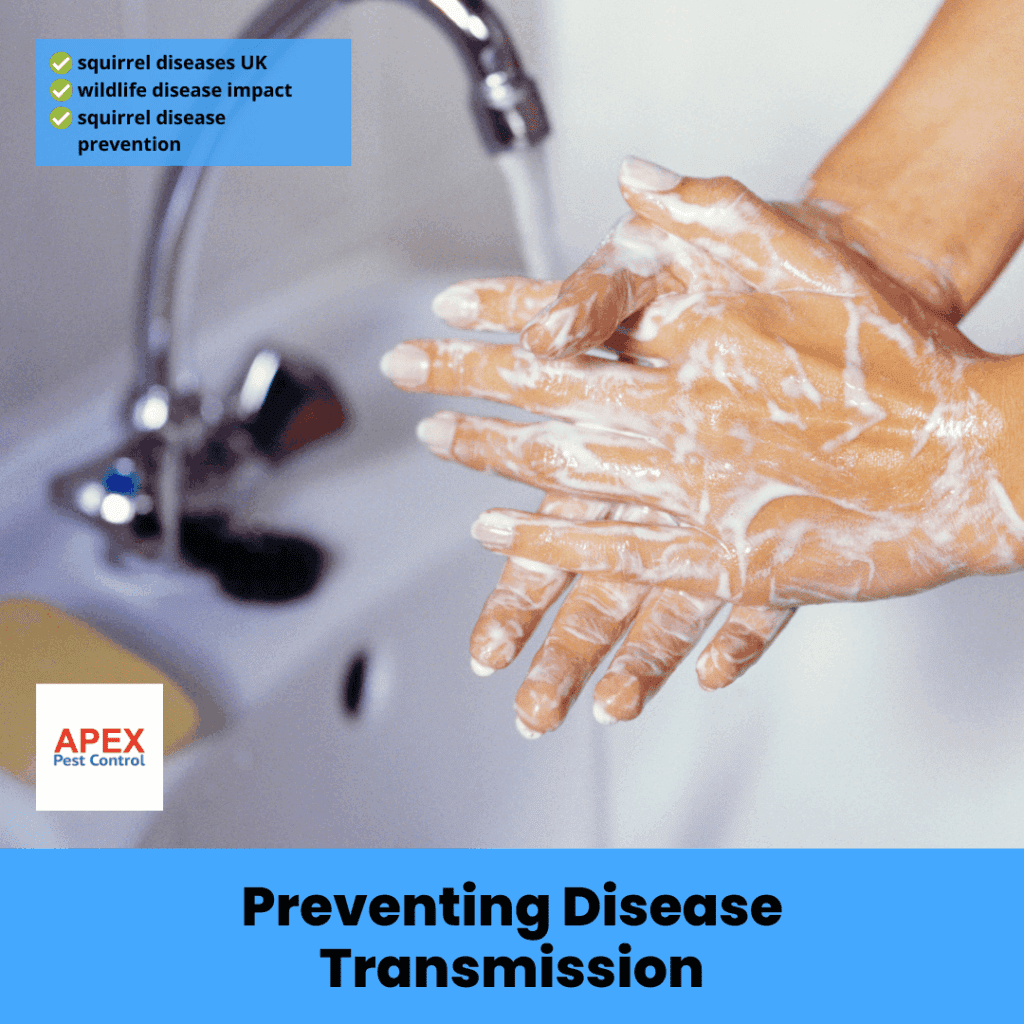
Personal Hygiene

  • Use disposable gloves when cleaning squirrel feeders or handling traps
  • Wash hands with soap for 20 seconds after contact with wildlife areas
  • Use alcohol-based sanitisers (60% ethanol) when water isn’t available

Home and Garden Tips

  • Clean feeders weekly with a 10% bleach solution (1 part bleach, 9 parts water), rinse thoroughly, and air-dry
  • Secure bins and compost to deter squirrels
  • Avoid hand-feeding to reduce bite risks

Protecting Pets

Apply vet-recommended flea and tick preventives

  • Supervise outdoor pets to prevent squirrel interactions
  • Clean outdoor pet bowls daily to avoid contamination

Ecological Impacts of Squirrel Diseases

ecological impacts of squirrel diseases

Ecosystems undergo significant changes as a result of squirrel diseases:

  • Red Squirrel Decline: Squirrelpox, carried by grey squirrels, has reduced red squirrel populations by over 90% in some UK regions.
  • Biodiversity Shifts: Disease outbreaks regulate squirrel populations, affecting seed dispersal and predator-prey dynamics.
  • Climate Change: Warmer climates expand parasite ranges, increasing mange and tick-borne disease risks.

Support conservation: To help red squirrels recover, protect their native habitats and notify nearby wildlife trusts of any squirrel sightings.

Wildlife Rehabilitation: A Vital Role

Each year, thousands of sick or injured squirrels are treated by licensed wildlife rehabilitators who are subject to Natural England’s regulations. They:

  • Quarantine animals to prevent disease spread
  • Administer treatments like miticides for mange or antibiotics for infections
  • Ensure animals are fit for release or humane dispatch, per UK law

How to help:

  • Report sick squirrels to your local wildlife rehabilitator
  • Avoid feeding wildlife to reduce disease transmission
  • Support rehab centres with donations of supplies like linens or heat lamps

Legal and Humane Grey Squirrel Control

legal and humane grey squirrel control

The Wildlife and Countryside Act of 1981 and the Invasive Alien Species Order of 2019 govern the management of grey squirrels, which are considered invasive species in the United Kingdom. Important rules consist of:

  • No release: It’s illegal to release trapped grey squirrels into the wild or allow them to escape.
  • Humane dispatch: Trapped squirrels must be humanely euthanised, adhering to the Animal Welfare Act 2006.
  • Licensing: Keeping grey squirrels as pets or for long-term rehabilitation requires a licence from Natural England.

Why choose professionals? BPCA-certified technicians are trained in legal, humane, and effective methods, ensuring compliance and safety.

Act now: If grey squirrels are nesting in your attic or causing damage, contact Apex Pest Control for a compliant, professional solution.

Frequently Asked Questions

Can I keep a grey squirrel as a pet in the UK?

No, unless you have a licence from Natural England or Natural Resources Wales. Keeping grey squirrels without permission is illegal.

Can I release a trapped grey squirrel?

No. Releasing grey squirrels into the wild is illegal under the Invasive Alien Species Order 2019. They must be humanely dispatched, per the Animal Welfare Act 2006.

Are squirrel-borne diseases a risk to my family?

Most squirrel diseases pose low direct risk, but ticks from nests can transmit Lyme disease in some areas. Use gloves and avoid handling wildlife.

How do I spot a squirrel infestation?

Look for scratching noises in the attics at dawn or dusk, shredded nesting materials, or chewed wires and insulation.

Why choose a BPCA-certified pest control company?

BPCA-certified technicians ensure legal, humane, and effective pest control, protecting your home and wildlife, in line with BPCA standards.

Take Control with Confidence

DIY remedies are insufficient to address grey squirrel infestations and related diseases. Timely action yields enduring outcomes, whether it is attic damage or zoonotic hazards. For BPCA-certified, compassionate, and legally compliant solutions that are customised to meet your needs, rely on Apex Pest Control.

For peace of mind and a qualified inspection, get in touch with us today.

Squirrel Behaviour

Squirrel Behaviour: The Secret to Successful Grey Squirrel Pest Control in the UK

squirrel behaviour

In UK parks, urban gardens, and woodlands, grey squirrels are a common sight. Despite their endearing appearance, humane, legal, and efficient pest treatment requires an understanding of their conduct.

The species, habitats, behaviours, and behavioural patterns of grey squirrels that influence legal pest control methods in the UK are all covered in this extensive book.

Understand the Species and Habitats of Squirrels

grey vs red squirrel comparison

Squirrel Types in the United Kingdom

  • Eastern Grey Squirrel (Sciurus carolinensis): Non-native and invasive, the grey squirrel has become dominant across much of the UK, outcompeting the native red squirrel.
  • Red Squirrel (Sciurus vulgaris): Native but now endangered, mainly due to competition and disease spread by grey squirrels.
  • Other Species: Flying squirrels, prairie dogs, and similar rodents are not found in the UK.

Where Do Squirrels Live?

Areas that provide food and shelter are ideal for grey squirrels, including:

  • Deciduous woodlands and mixed forests
  • Urban parks, rooftops, lofts, and gardens
  • Tree canopies, loft spaces, and chimneys (for nesting, known as “dreys”)

Did you know?

Both temporary and permanent dreys are constructed by grey squirrels, frequently in attic spaces or on high tree forks.

Important Patterns of Behaviour

squirrel caching behaviour

Everyday Activities

Grey squirrels are active during the day since they are diurnal. Typical days for them consist of:

  • Early morning foraging
  • Midday resting
  • Late afternoon food storage and return to nests

Caching and Feeding

As opportunistic foragers, grey squirrels consume:

  • Nuts (acorns, hazelnuts)
  • Seeds, bark, fruit, fungi
  • Occasionally bird eggs and insects

For winter recovery, they store food in tree hollows or bury it in the ground.

Signals and Communication

Squirrels communicate using:

  • High-pitched alarm calls to warn of predators
  • Tail flicking to signal aggression, fear, or alertness

“The complexity of squirrel alarm cries is more than previously believed. They are able to convey direction, danger kind, and urgency. – Online Wildlife”

Mating and Social Behaviour

  • Largely solitary except during mating season
  • Dominance hierarchies influence territory and food access
  • Females raise young (called “kits” or “pups”) alone, usually in spring and summer

Why the UK Is Affected by Grey Squirrels?

Impact AreaDescription
EcologicalOutcompete native red squirrels for food and habitatTransmit squirrelpox virus, deadly to red squirrelsReduce woodland biodiversity and disrupt regeneration by stripping bark from
trees, leading to tree death and loss of habitat for other species
EconomicEstimated annual cost of £37 million in England and Wales due to lost timber
value, reduced carbon sequestration, and control measuresDamage to commercial forestry, orchards, and crops
Structural DamageChew through loft insulation, electrical wiring, timber, and property structuresAccess attics, roof spaces, and damage soffits and fascias
Garden & Agricultural DamageDig up bulbs and cormsSteal bird food and strip bark from ornamental and fruit treesDamage fruit and maize crops
Wildlife ImpactPrey on birds’ eggs and nestlings, impacting some woodland bird speciesCompete with other small mammals (e.g., hazel dormouse) for food resources
Noise & NuisanceCreate daytime noise in attics and roof spacesLeave droppings and nest

Legal Aspects of Squirrel Management

The 2019 Invasive Alien Species (Enforcement and Permitting) Order includes grey squirrels on its list. In the United Kingdom:

  • Releasing a grey squirrel that has been trapped is against the law. Grey squirrels must be humanely released if they are caught.
  • It is highly advised to seek professional help to guarantee both compassionate treatment and legal compliance.

Source: BPCA: Grey Squirrel Control

Physical Characteristics and Urban Adjustments

physical traits and urban adaptations

Both urban and rural settings are suitable for grey squirrels:

  • Strong hind legs for jumping
  • Sharp claws for climbing
  • Constantly growing incisors for gnawing
  • Long, bushy tail for balance and warmth

Lofts and bird feeders are particularly appealing in urban areas since there is an abundance of food and nesting chances.

Intelligent, Behavior-Based Squirrel Management

smart, behaviour based squirrel control

Why Behaviour Matters

Effective squirrel control requires understanding:

  • When they are active: Daylight hours
  • Where they nest: High, quiet areas like lofts and trees
  • What they eat and hoard: Nuts, seeds, suet

This knowledge helps you plan strategic, humane, and legally compliant interventions.

Prevention Tips

  • Seal roof gaps and soffits larger than 25mm
  • Install metal mesh and exclusion devices
  • Prune overhanging tree limbs
  • Use squirrel-proof bird feeders
  • Keep gardens tidy to reduce attractants

DIY vs Professional Control

MethodProsCons
DIY DeterrentsLower costNon-lethal and low-risk for householdersEasy to implement (e.g., exclusion, deterrent sprays, squirrel-proof
feeders)
Often ineffective for established infestationsMay not address root causes (entry points, food sources)Does not resolve legal obligations for humane controlCannot legally trap and release grey squirrels (illegal under UK law)
Professional Pest ControlEnsures compliance with UK laws and humane dispatch requirementsBPCA or RSPH qualified techniciansEffective long-term solutions and prevention adviceRisk assessment and safe use of approved methodsHigher upfront costRequires scheduling and property access

“Without addressing entry points and behaviour, squirrel control is a losing battle.” — BPCA Certified Technician

Facts About Squirrels: Frequently Asked Questions

How long do grey squirrels live?

Most wild grey squirrels live 2–4 years, though they can reach 10–12 years in ideal conditions.

Can squirrels swim?

Yes, grey squirrels can swim, using their tails for steering, though they generally avoid water.

What are baby squirrels called?

They are known as “kits” or “pups.”

Are squirrels nocturnal?

No, grey squirrels are diurnal and active during the day.

What is a group of squirrels called?

A group is called a “scurry” or “dray.”

How do I know if I have squirrels in my loft?

Look for gnawed timbers, rodent droppings, and daytime scratching noises.

Can I remove a squirrel myself in the UK?

You must comply with UK law: it is illegal to release a captured grey squirrel. Humane dispatch is required, and professional help is strongly advised.

What’s the best deterrent for garden squirrels?

Use capsaicin-based sprays, ultrasonic repellents, and squirrel-proof feeders.

Summary and Final Thoughts

Comprehending the behaviour of grey squirrels is essential for ethical, efficient, and lawful pest control in the UK. Understanding their social patterns, routines, and adaptability will help you take proactive measures to save native species, your garden, and your house.

For skilled, legally compliant assistance, get in touch with Apex Pest Control in South Yorkshire, a BPCA-certified and NPTA-registered pest control company.