Rat Control in Leeds: Rodent Treatment and Vermin Solutions
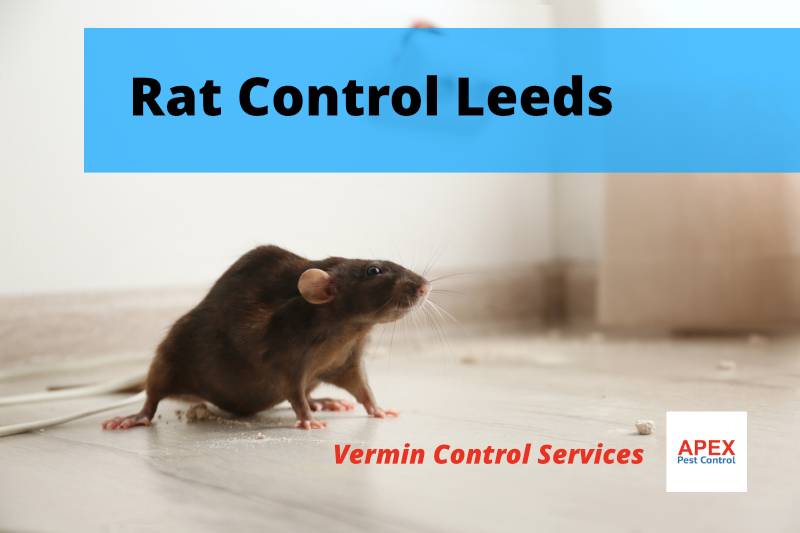
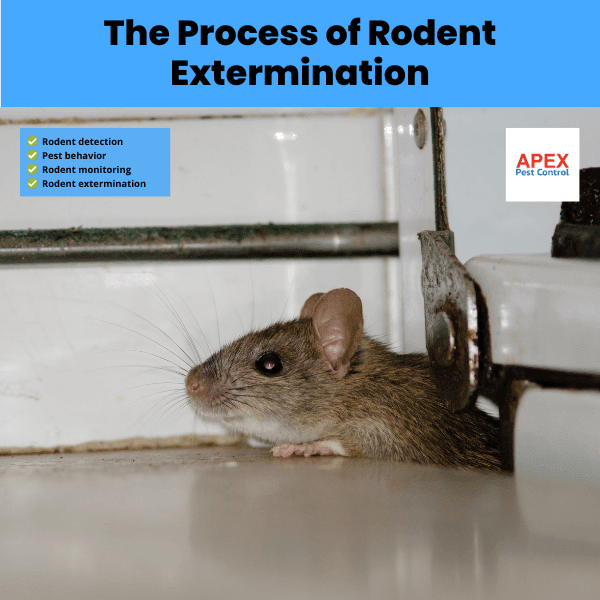
Have you started hearing scratching or movement beneath your floorboards or inside the walls? These noises could be a sign that a rat has entered your property. Pest problems are never pleasant, but rodents are often among the most concerning for both homeowners and business owners.
Rats can develop into a serious issue, particularly in large cities where food, shelter, and warmth are easy to find. Once they gain access to a building, they may begin damaging materials and creating hygiene risks if the situation is not addressed promptly.
Rat Control Services in Leeds
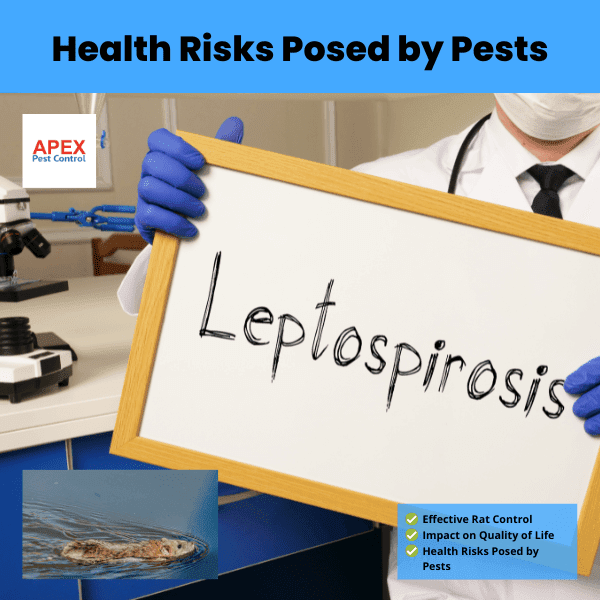
For many homeowners, discovering rats in or around their property can be very unsettling. Rodents are known to create numerous problems, particularly when it comes to hygiene. As they move around a property, they leave urine and droppings that may carry harmful bacteria and diseases.
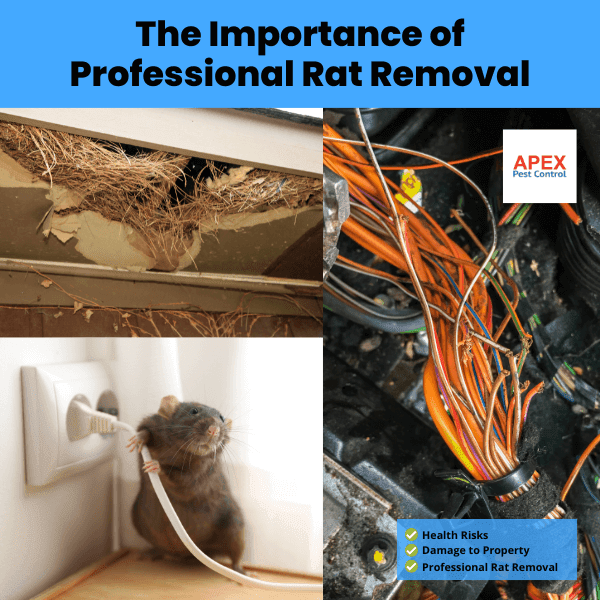
Rats are not limited to gardens either. They frequently find shelter beneath floorboards, inside wall cavities, and within loft spaces. At the same time, they constantly gnaw on materials such as pipes, wood, insulation, and electrical wiring.
This behaviour can lead to expensive repairs and disruption for property owners. Although infestations can feel embarrassing, pest control companies in Leeds deal with rodent issues every day. Busy cities such as Leeds provide ideal environments for pests searching for warmth and food, and rodents can reproduce very quickly once they settle in an area.
If you require professional vermin control, you can arrange a visit from a local pest control specialist in Leeds by calling 0113 3904270.
Why Choose Apex Pest Control Leeds
At Apex we guarantee:
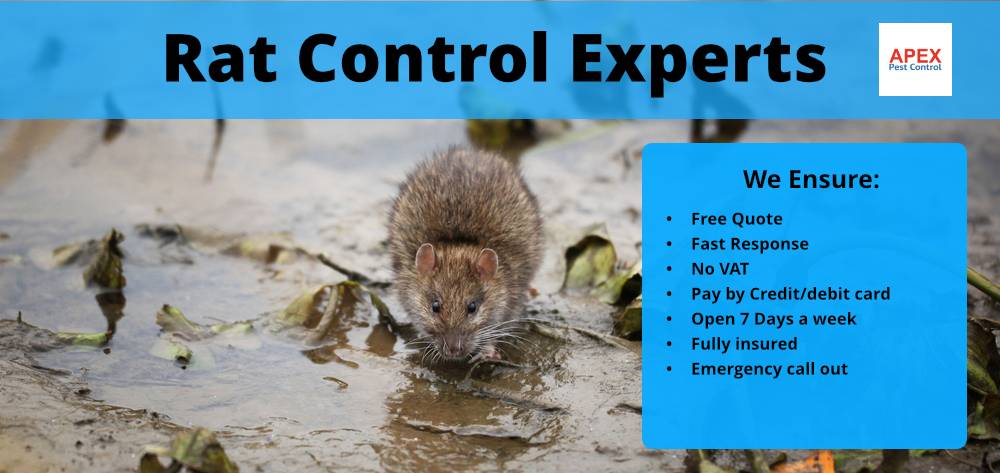
- A fast response
- A free no-obligation quote. No hidden costs – and NO VAT
- An experienced, professional and friendly qualified pest technician
- Guaranteed results
- Fully insured public liability
- CHAS registered
- Child and pet-friendly methods and products
- 7 days a week availability
- Discreet pest control
- Emergency call outs
Expert Vermin Management in Leeds
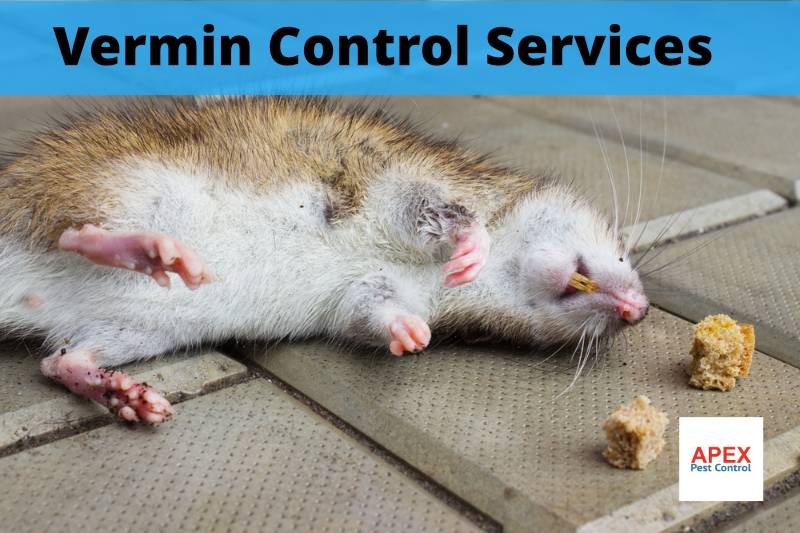
When dealing with rats or mice, there are several options available. Some property owners contact Leeds City Council or larger national pest control providers. However, when rapid action is required, a local company can often respond more quickly.
Apex Pest Control Leeds has more than thirty years of experience in the pest control industry. During this time, the company has developed practical solutions for a wide range of pest problems while maintaining clear communication and transparent pricing.
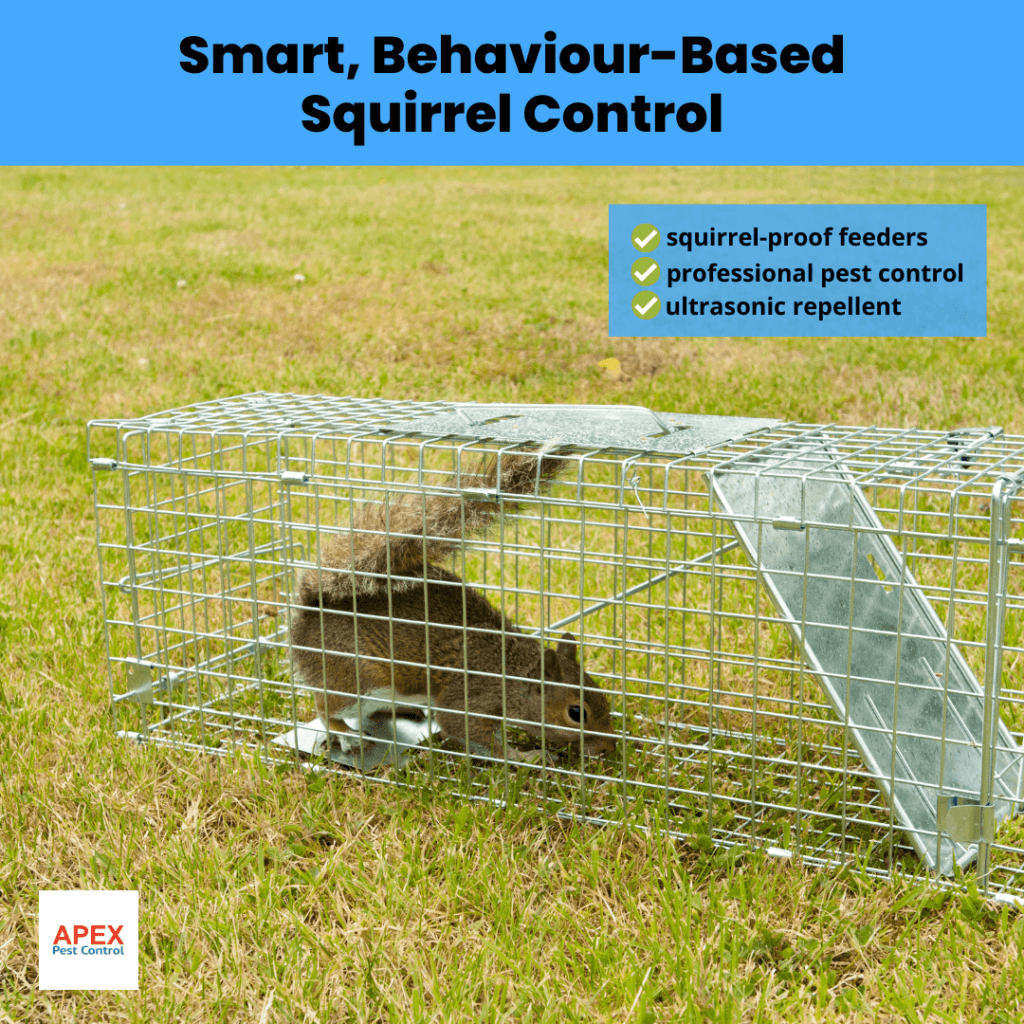
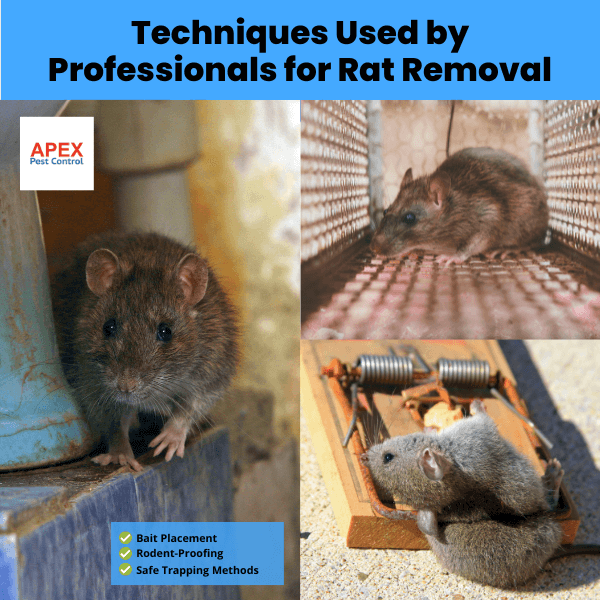
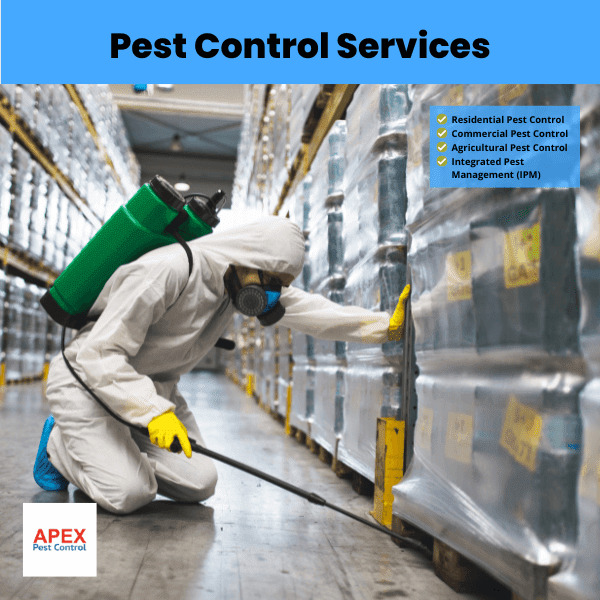
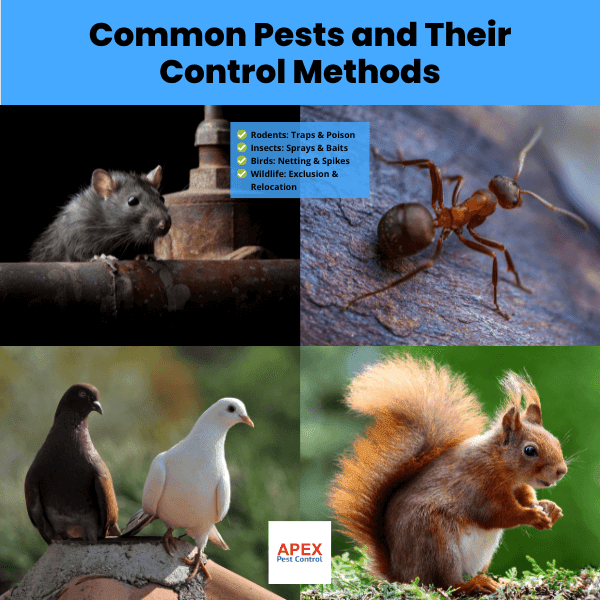
Once a treatment plan has been approved, work can begin without delay. Our technicians regularly deal with mice, rats, wasps, bees, squirrels, and garden moles. Treatments may involve traps, bait stations, and proofing measures designed to prevent rodents from returning.
Keeping Rodents Out of Your Property
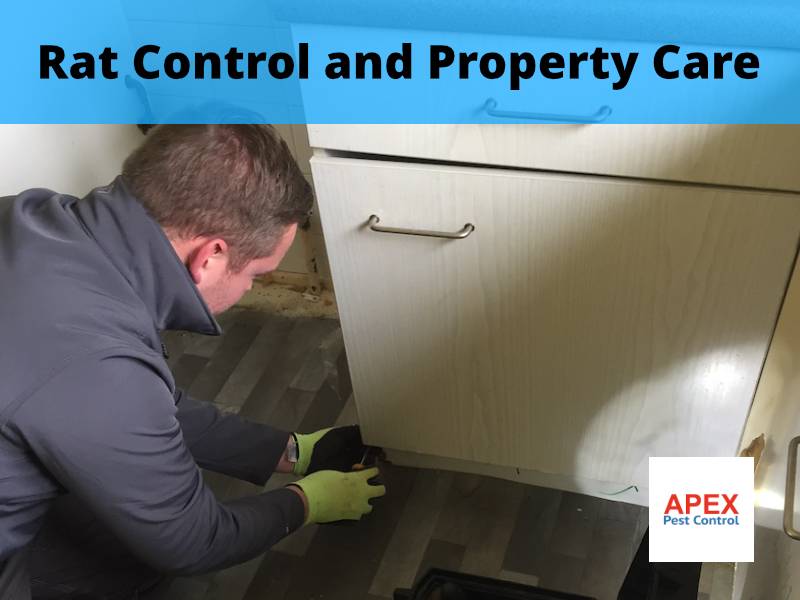
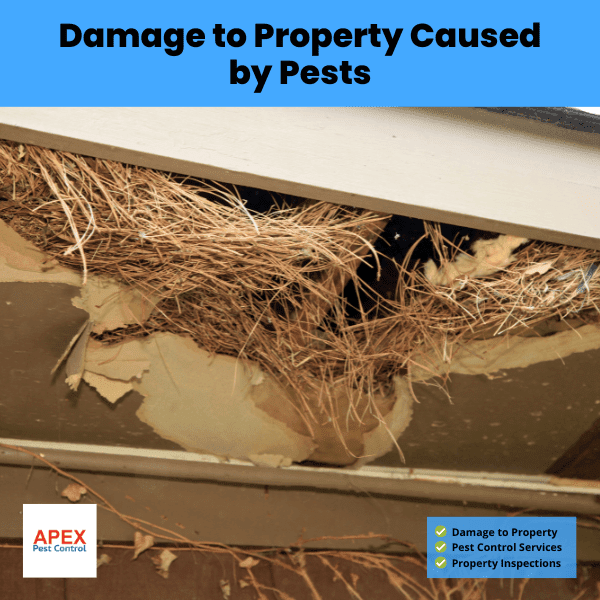
Rodents and other pests have the potential to cause significant structural damage to buildings. Birds, insects, and rodents may harm insulation, roofing materials, electrical wiring, and other important parts of a property.
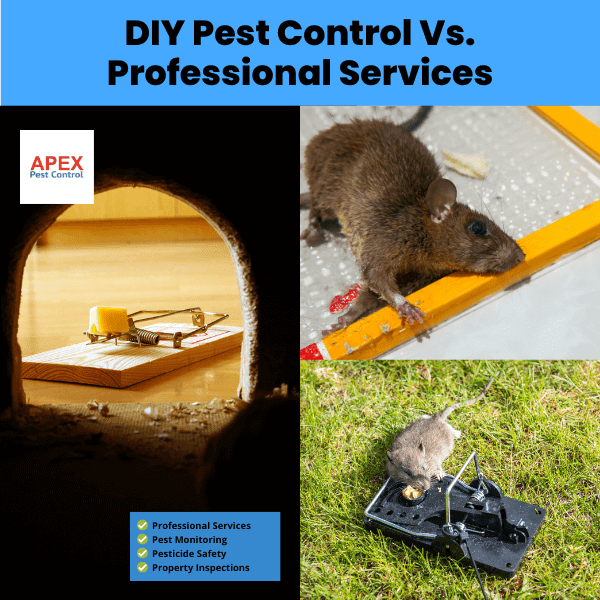
When signs of pest activity appear, it is important to act quickly to prevent the situation from becoming worse. Some property owners attempt to resolve infestations themselves, but these efforts are often ineffective.
Rodents are difficult to remove without the correct equipment and knowledge. Because every infestation develops differently, professional pest control services are usually the safest and most reliable solution.
Average Rat Control Prices in the UK
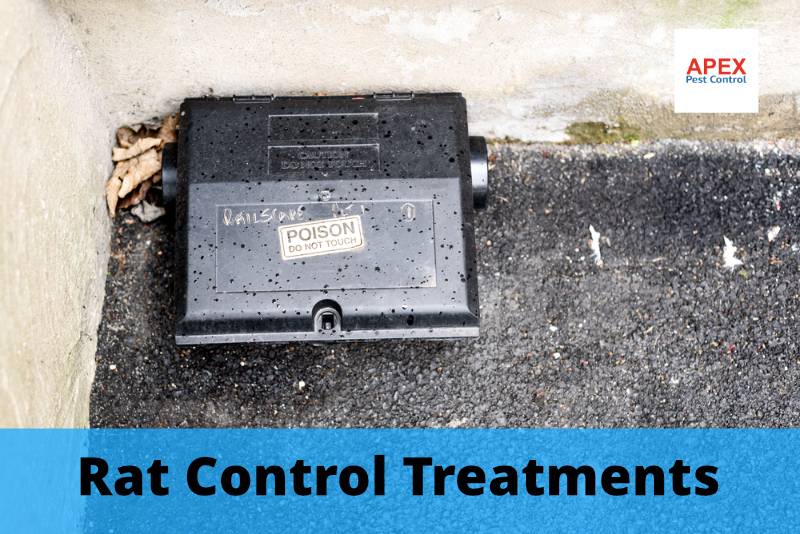
The cost of professional rat control in the United Kingdom typically falls between £95 and £200. On average, most treatments cost around £150 depending on the size and complexity of the infestation.
Before treatment begins, a qualified pest control technician will usually carry out an inspection of the property. This assessment helps determine how severe the infestation is and which treatment methods will be most suitable.
Why Rats Get into Houses and Businesses
Rat infestations are more common than many people expect. Estimates from the British Pest Control Association suggest that the number of rats in the UK could range between 10.5 million and 120 million.
Rodents live in both rural areas and large cities, including places like Leeds. Areas with restaurants, cafés, food shops, and waste storage often provide an easy supply of food for rats.
They are able to enter buildings through air vents, drainage systems, small openings in walls, and gaps around pipes. Even small crumbs or leftover food can attract them inside. In recent years, milder winters have also increased rodent activity because warmer conditions allow them to survive and reproduce more easily.
Eliminating Rats Safely and Rapidly
If rats are discovered in a property, contacting a professional pest control company is usually the best first step. Responding quickly helps reduce potential damage and prevents the infestation from spreading further.
Businesses must also act promptly when rodents are detected. The Prevention of Damage by Pests Act 1949 requires property owners to take reasonable measures to keep buildings free from rodents.
While Leeds City Council may deal with certain pest control cases, their services can sometimes be limited. In situations where immediate action is required, local pest control providers such as Apex Pest Control Leeds are often able to respond faster.
Does the presence of one rat indicate the presence of others?
In many cases, spotting a single rat suggests that others may be nearby. Rats are social animals that typically live in groups rather than alone.
They also reproduce rapidly, meaning that a small presence can develop into a larger infestation if it is not addressed. Rats frequently hide in lofts, basements, cavity walls, and other sheltered areas within a building.
How Apex Pest Control Handles Rodent Infestations
Apex Pest Control Leeds has assisted local residents and businesses with pest problems for many years. The goal is to provide dependable pest management solutions that resolve infestations efficiently.
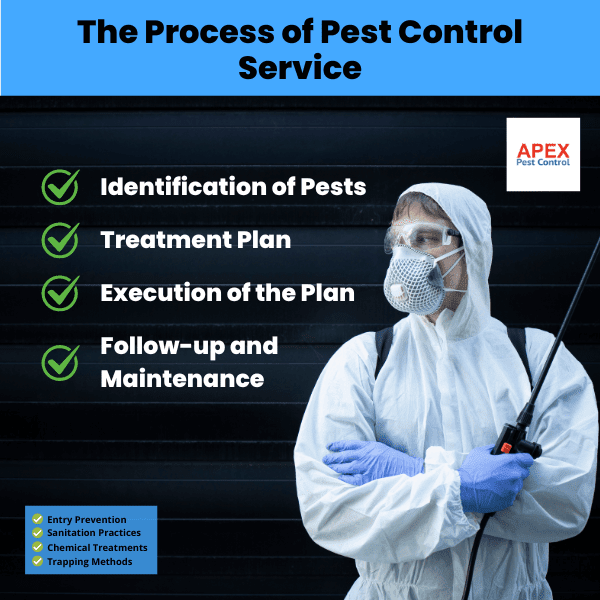
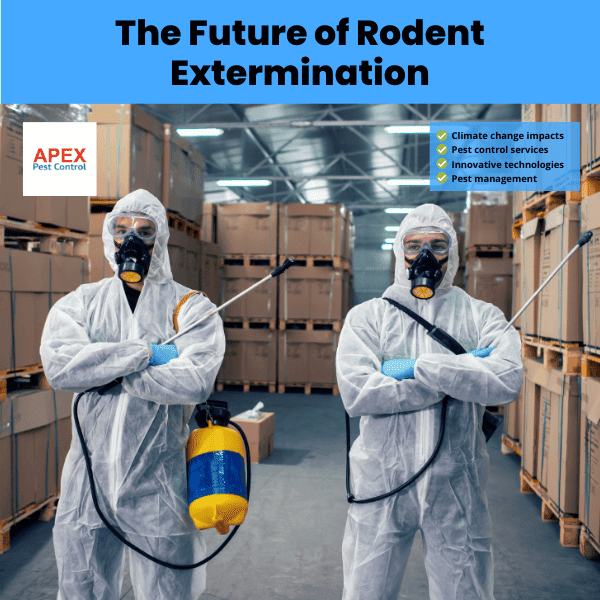
Every situation begins with a detailed inspection of the property. This survey allows technicians to identify nesting areas, entry points, and the overall size of the infestation.
During the inspection, common rodent hiding places are carefully checked. These areas may include:
- Gardens and garage
- Roof and loft spaces
- Under kitchen units
Rodent Proofing and Pest Treatment
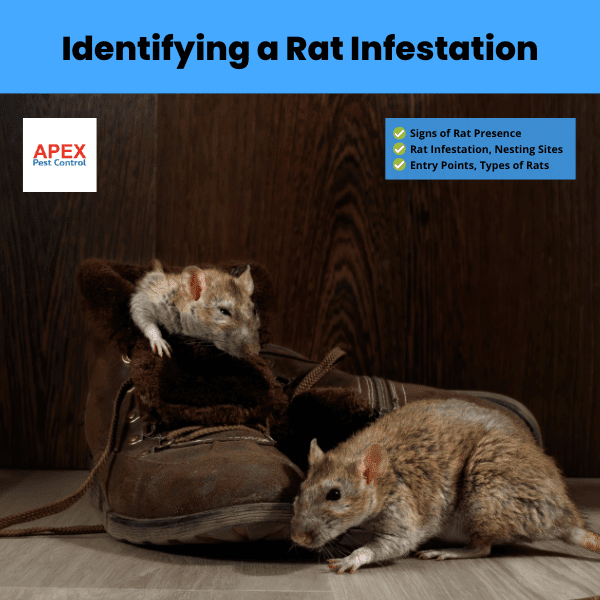
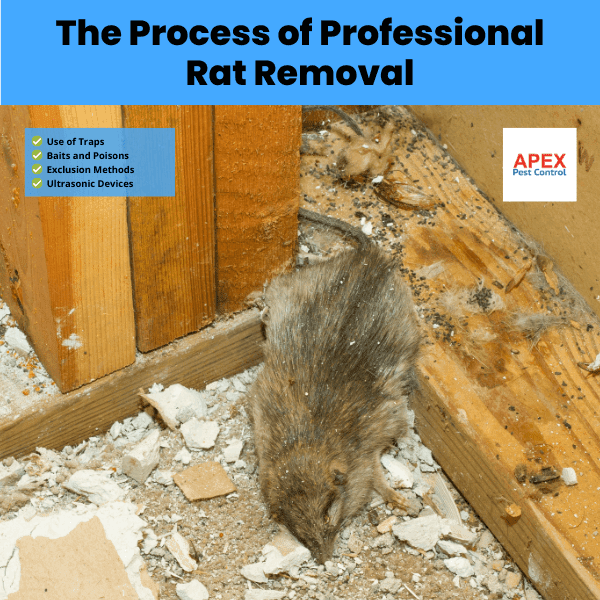
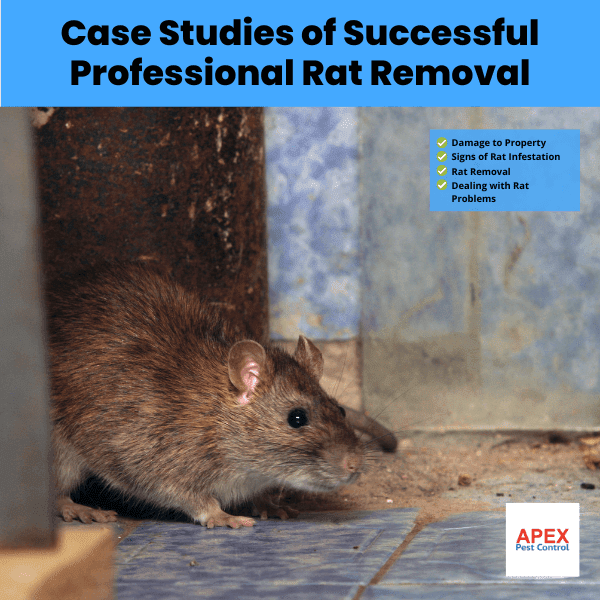
During the property inspection, technicians look for clear signs of rodent activity. These signs may include droppings, grease marks on surfaces, gnaw damage, and unusual odours.
Once the affected areas have been located, entry points can be sealed to reduce the chances of rodents returning. After proofing work is completed, the appropriate treatment plan can be implemented.
Rodents multiply at a frighteningly quick rate, and it’s crucial we make sure our solution is long-lasting.
Baiting systems are commonly used because, when applied correctly by trained professionals, they can eliminate entire colonies. All products and treatments are selected carefully to ensure they are safe for households with children and pets.
Follow-Up Visits and Long-Term Protection
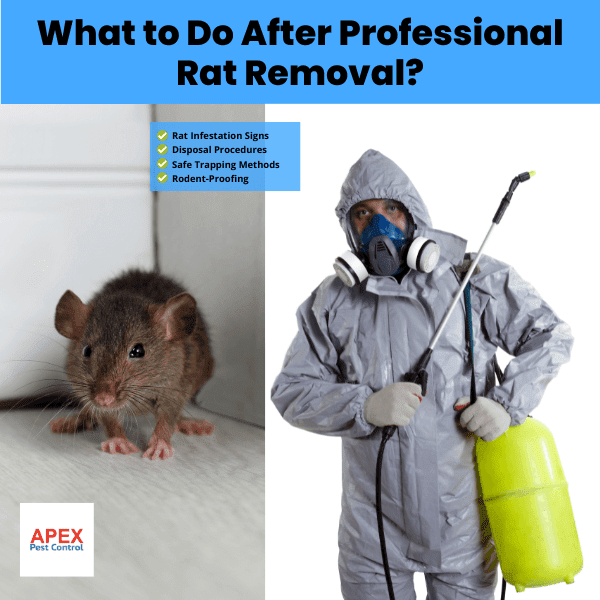
Pest control does not finish after the initial treatment. Follow-up visits are carried out to confirm that the infestation has been fully resolved.
The first return visit usually takes place between five and seven days after treatment. During these inspections, technicians remove any dead rodents and check that the treatment plan is working effectively.
Additional measures may also be taken to reduce the chances of rodents returning. After the final visit, Apex Pest Control Leeds provides a 30-day guarantee. If rats are seen again during this period, further treatment will be provided without additional charges.
Signs of Rats and Additional Pest Control Services
Rodent problems can occur at any time, which is why pest control services are available seven days a week. Apex Pest Control provides services throughout Leeds, across West Yorkshire, and in nearby towns and villages.
Our services offered include:
- Wasp nest removal
- Expert elimination of bed bugs
- Mice pest control
- All insects
- Bees
- Woodworm
- Flies
- Bird control
- Bird and rodent proofing
- And a full range of pest control services and treatments.
The team regularly assists homeowners and businesses throughout Leeds and the surrounding areas with many different pest issues.
Reliable Leeds Pest Control Professionals

Apex Pest Control Leeds operates every day of the week, ensuring that local residents and businesses can access assistance when it is needed.
Technicians maintain professional training and are associated with recognised industry organisations, including:
- Royal Society for Public Health (RSPH) Level 2 qualified
- Member of British Traditional Mole Catchers (BTMR)
- British Pest Control Association (Trained)
- National Pest Technicians Association
The NPTA is a professional trade association, representing the public health and pest control industry.
Membership with recognised organisations helps provide customers with confidence in the quality and reliability of the service provided.
Find Out More About Our Complete Pest Control Services
If you are experiencing pest problems and require dependable rat control in Leeds, Apex Pest Control Leeds is ready to assist.
Our pest technicians operate across Leeds and nearby areas, delivering effective treatments designed to remove unwanted pests from homes and commercial premises. Contact our team today to arrange a visit and restore comfort and safety to your property.